Health Hub: Your Go‑To Spot for Meds, Wellness & Easy Tips
Welcome to the Health section of The Bee Blogger. Here you’ll find straight‑forward advice on everything from prescription safety to the newest supplement trends. No jargon, just clear facts that help you make smart choices about your body.
Thinking about buying a drug online? We’ve broken down the steps you need to verify a pharmacy, spot fake pills and stay within the law. Whether you’re after Abilify for hair‑loss worries, Fenofibrate for cholesterol, or Vitamin D for sunshine deficiency, our step‑by‑step guides keep you safe.
Medication Guides You Can Trust
Every medication we cover comes with an easy‑to‑read summary: why it’s prescribed, what side‑effects to expect, and practical tips for getting the best results. For example, the Aripiprazole article explains how the drug might affect hair, while the Eliquis guide shows you how to compare prices without compromising safety.
We also dive into lesser‑known meds like Clenbuterol (Astralean) and clarify the real‑world risks. If you’re hunting for a heart‑healthy supplement, our beta‑glucan roundup ranks the top five picks for 2025, comparing yeast, mushroom and oat sources.
Wellness, Supplements & Lifestyle Hacks
Beyond pills, we explore natural options that back up science. The Brahmi piece shows how Bacopa monnieri can boost memory, and the dandelion guide uncovers its detox benefits for weight loss. Want to cut down on gabapentin? Check out our lifestyle changes for neuropathic pain that focus on diet, physical therapy and mindfulness.
We keep an eye on the latest medical news, so you’ll know when a new study changes the game. Our coverage of conditions like supraventricular tachycardia or premenstrual syndrome translates medical terms into plain English, giving you actionable steps right away.
All of this is wrapped in a friendly, conversational tone. We’ve cut out the fluff so you can find the answer you need in under a minute. Got a question about a specific drug or supplement? Use the search bar, and you’ll be taken straight to the relevant guide.
Stay informed, stay healthy, and let The Bee Blogger be your trusted sidekick on the health journey.
Understanding how Medicaid substitution rules work is essential for navigating children's coverage. This guide breaks down federal mandates, optional state policies, and real-world impacts on families.
Allergy shots and sublingual tablets are two proven ways to treat allergies at their source. Learn how they work, which is more effective, and who benefits most from each option.
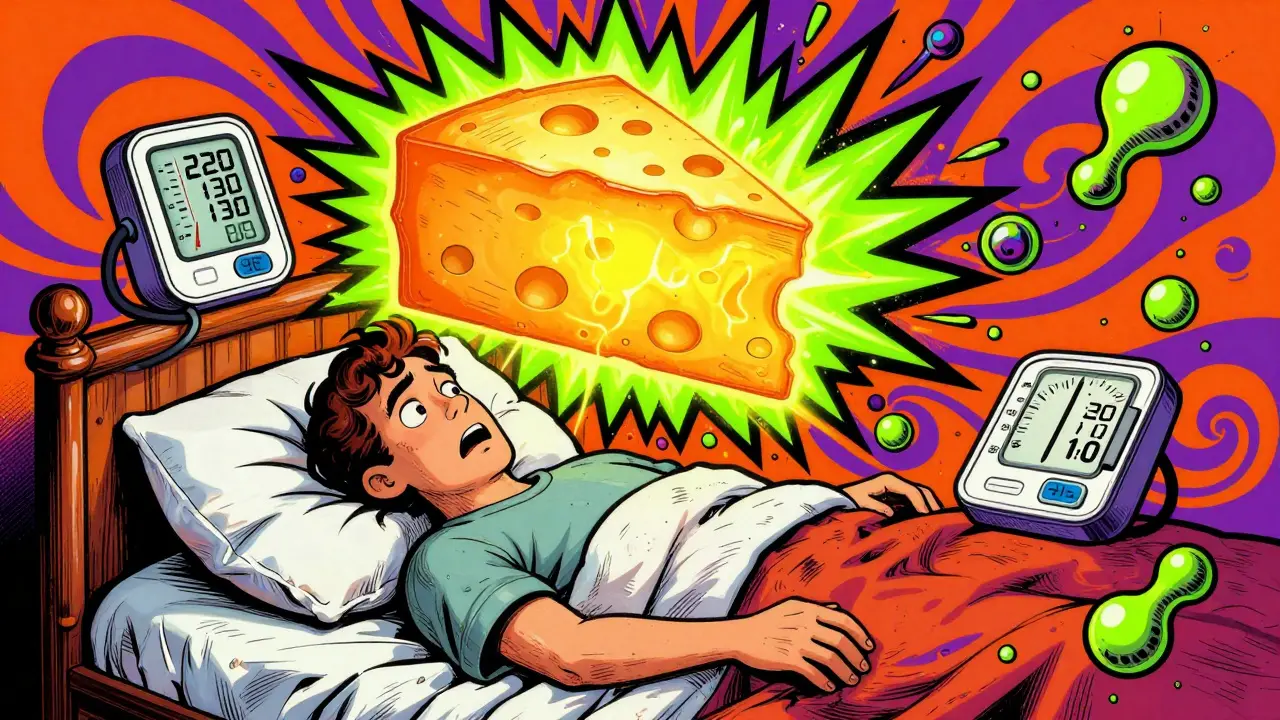
Severe hypertensive crisis from drug interactions can spike blood pressure dangerously fast, causing organ damage and even death. Common triggers include MAOIs with tyramine, venlafaxine, decongestants, and licorice. Prevention is possible with awareness, medication reviews, and better labeling.
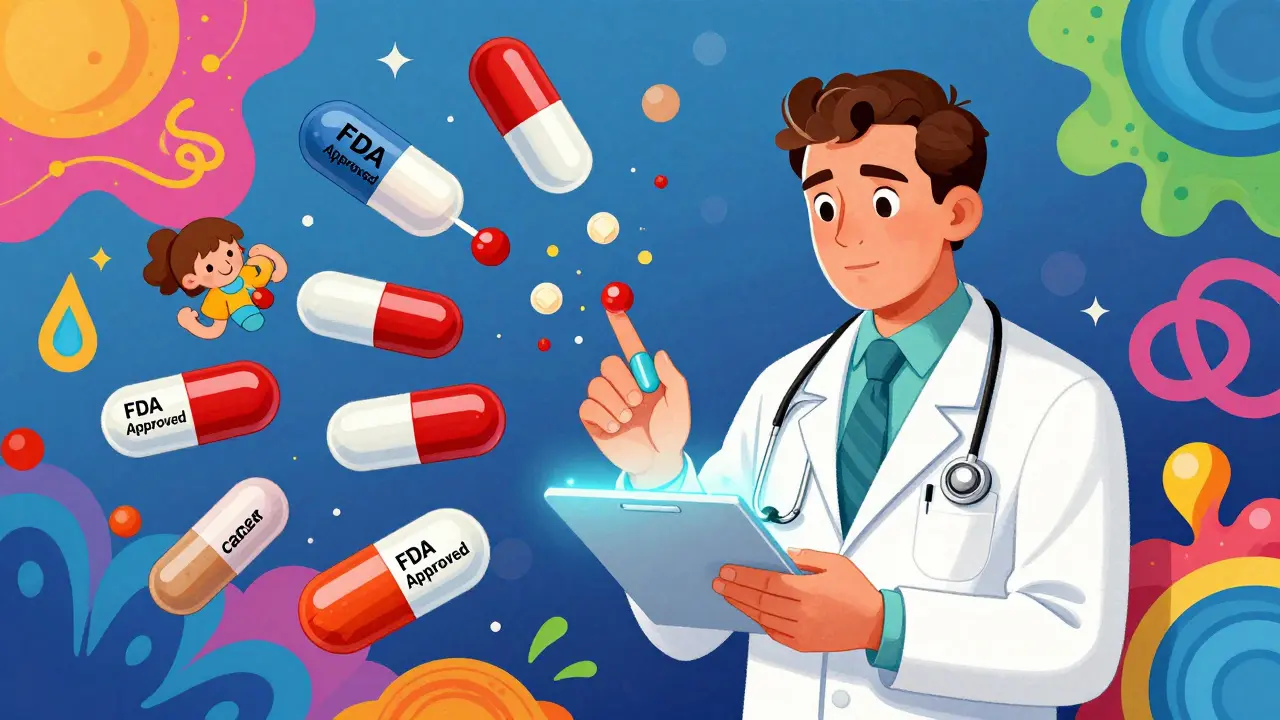
Off-label drug use is legal, common, and often necessary-especially in pediatrics, oncology, and psychiatry. Learn why doctors prescribe medications beyond FDA-approved uses, the risks involved, and how evidence is shaping the future of treatment.
Learn how to read interaction warnings on medication guides to avoid dangerous drug combinations. Understand severity levels, spot hidden risks in OTC meds and supplements, and use simple steps to protect your health.
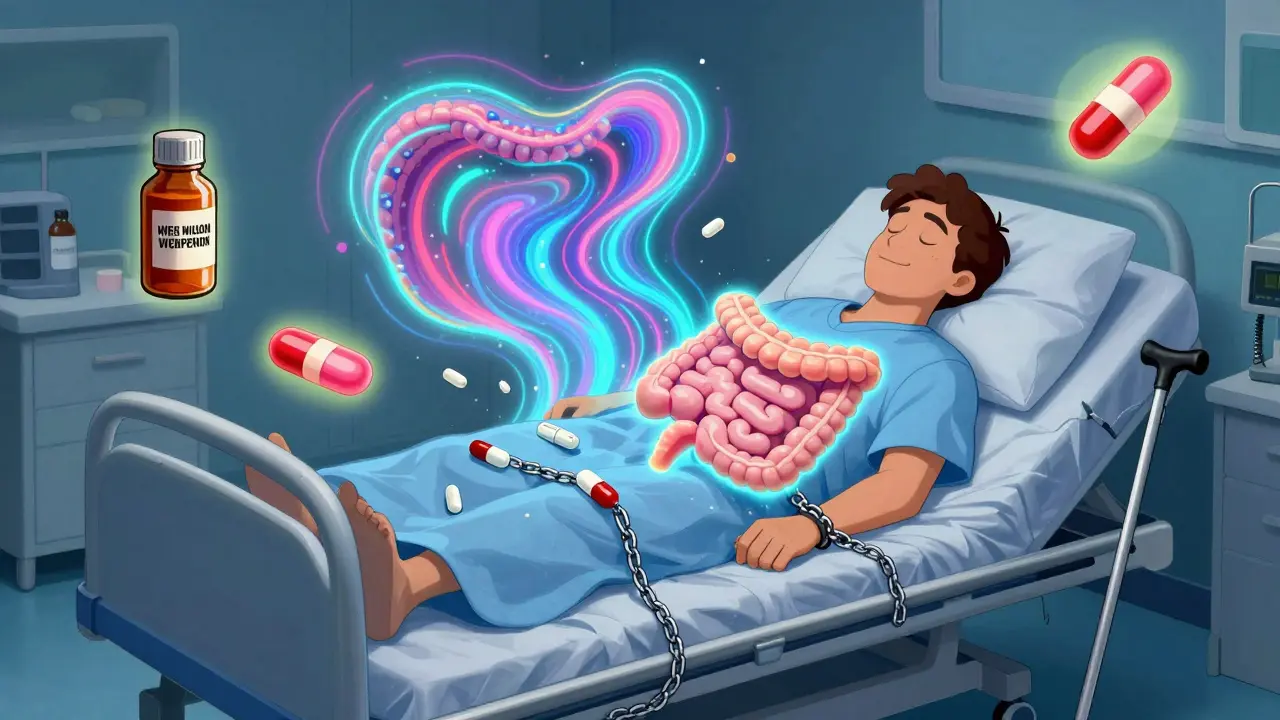
Postoperative ileus is a common, costly complication caused by opioid pain meds after surgery. Learn how multimodal pain control, early movement, and targeted drugs can prevent it and speed recovery.
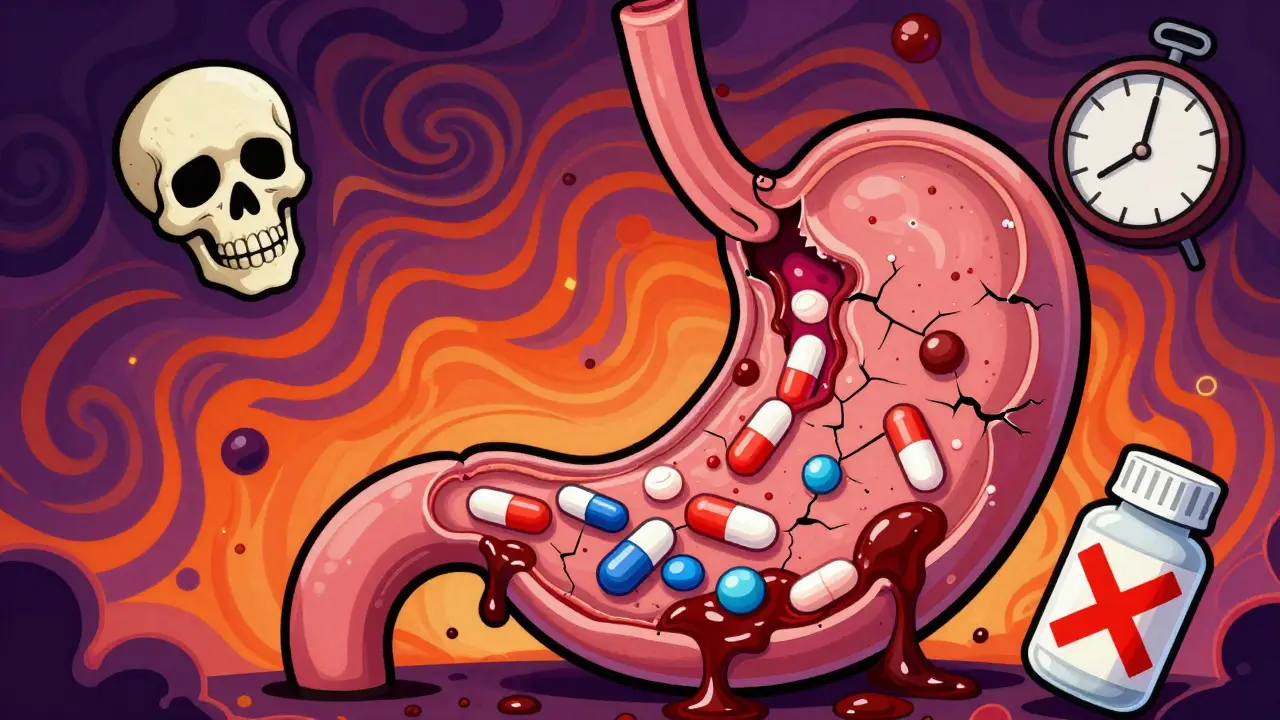
NSAIDs like ibuprofen and naproxen can cause silent, life-threatening gastrointestinal bleeding-especially in older adults or those with other risk factors. Learn how to recognize the danger and protect yourself with proven strategies.
Learn how to safely store, pack, and dispose of medications during home renovations or moves. Avoid heat damage, theft, and accidental exposure with practical, step-by-step tips.
Iron-rich foods and supplements can block thyroid medication absorption, leading to poor symptom control. Learn the science behind the interaction and how to time meals and pills to keep your treatment effective.
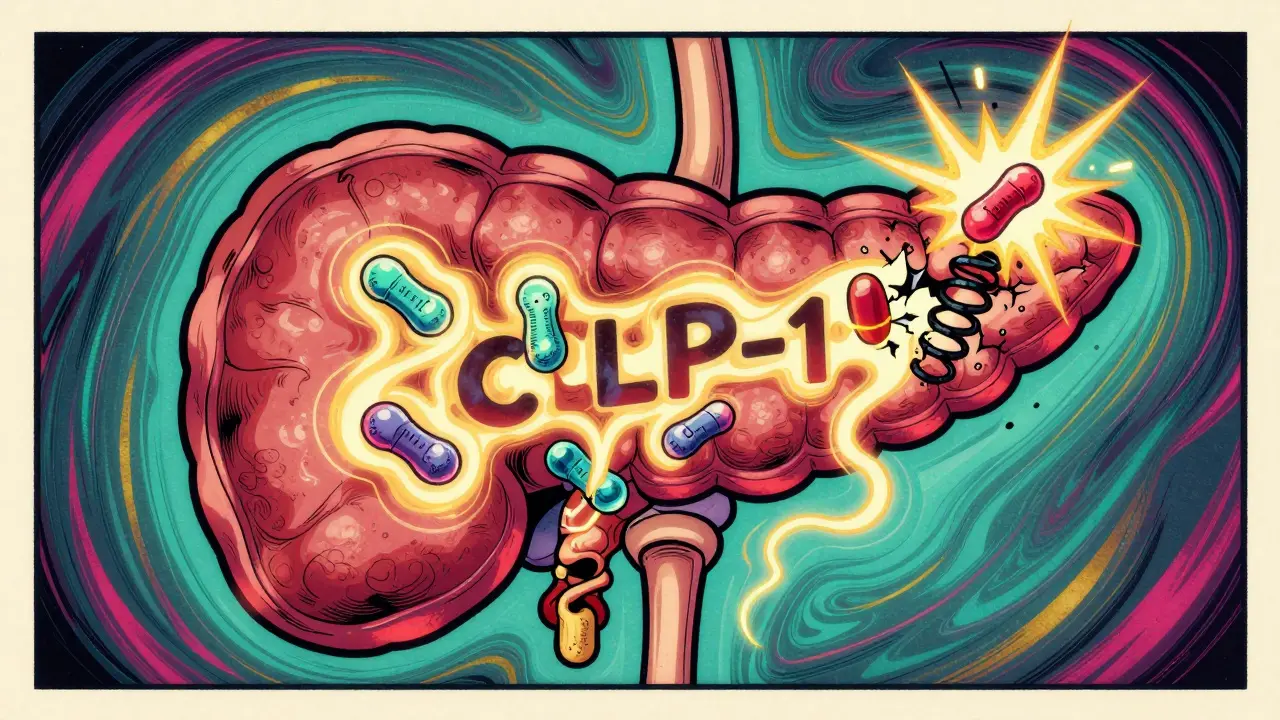
GLP-1 agonists like semaglutide and liraglutide offer major health benefits but carry a debated pancreatitis risk. Learn who’s truly at risk, what symptoms to watch for, and safer alternatives that work just as well.
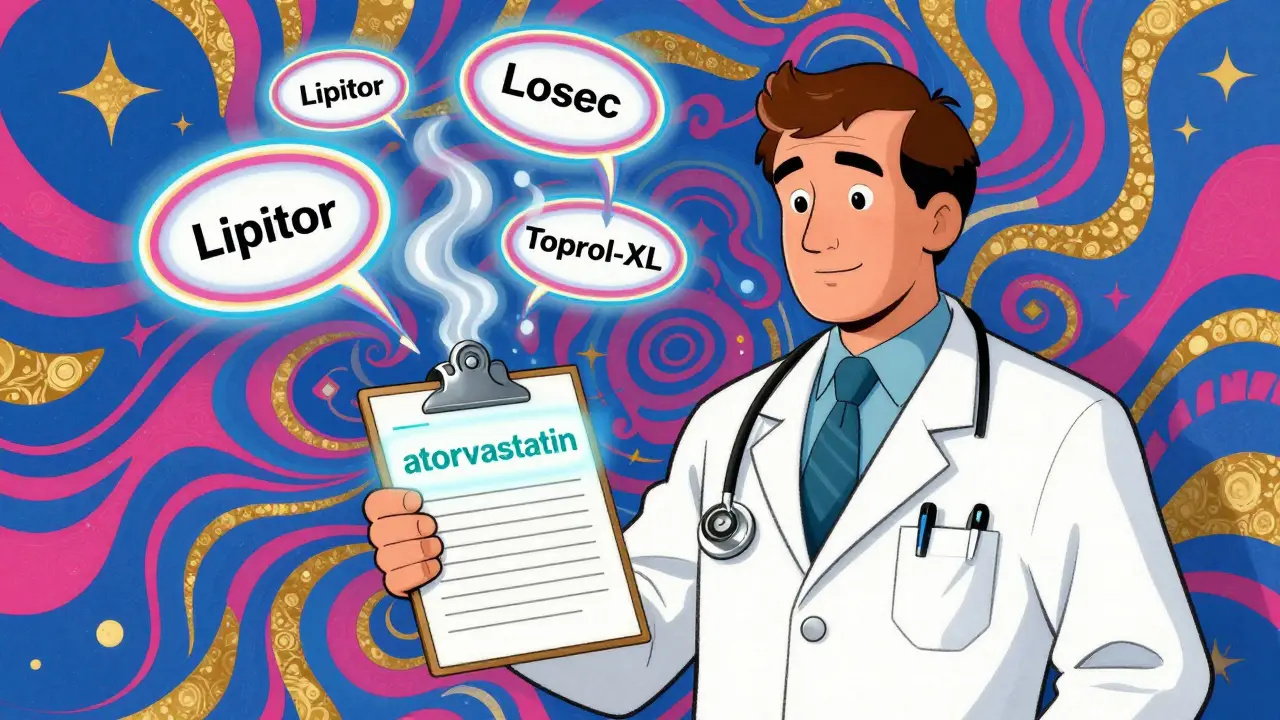
Generic prescribing saves billions and improves adherence-but only when done right. Learn the rules, exceptions, and communication strategies every clinician needs to know.
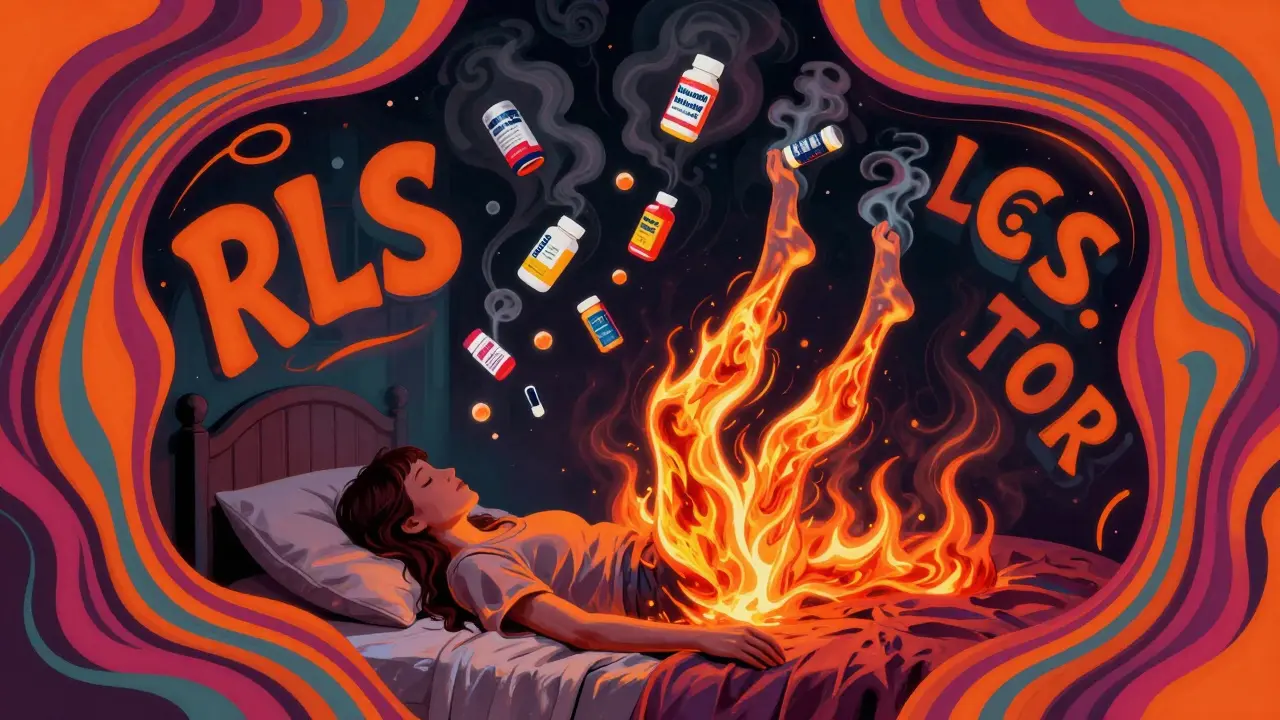
Sedating antihistamines like Benadryl can worsen restless legs syndrome by blocking dopamine in the brain. Learn which OTC meds to avoid and safer alternatives like Claritin, Allegra, and nasal sprays that won't trigger symptoms.