
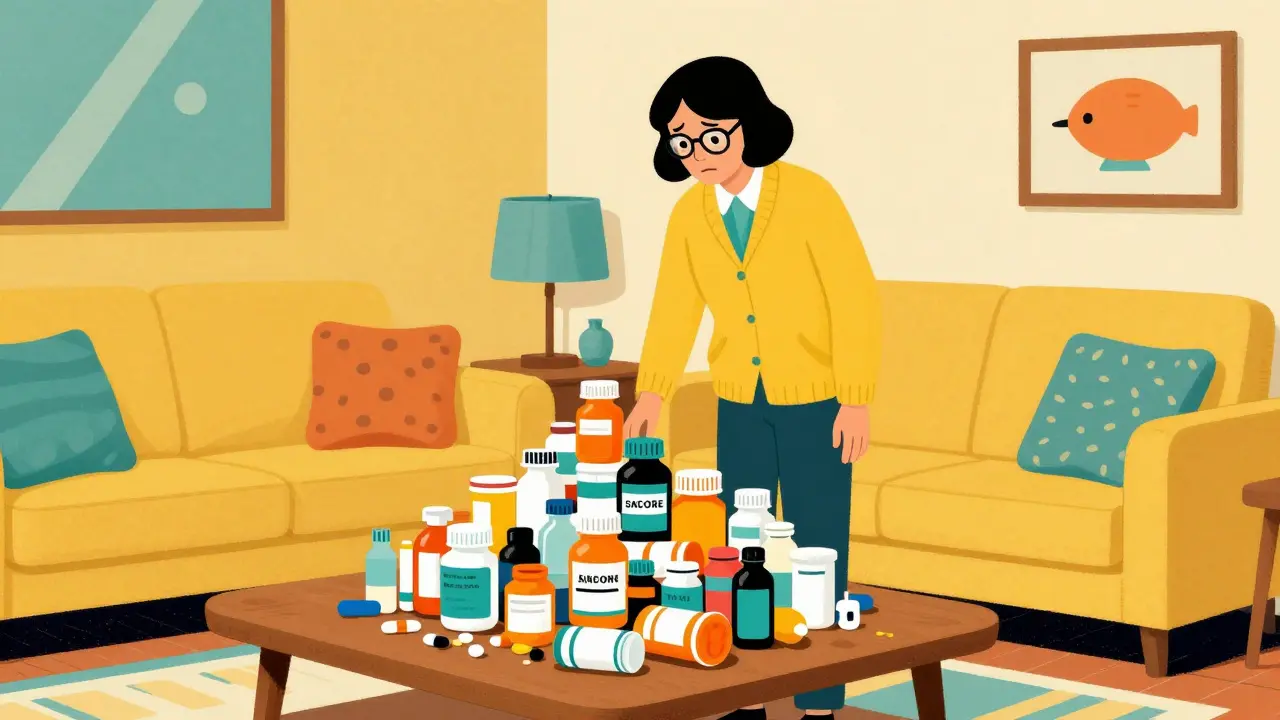
Medication errors are not just a hospital problem. They happen at home, often silently, and they can turn a minor oversight into a life-threatening emergency. If you are caring for an older adult, a child, or someone with cognitive impairments, you are the frontline defense against these mistakes. The stakes are high: medication safety is critical because adverse drug events account for 30% of hospital readmissions within 30 days, according to the Journal of the American Medical Association in 2022.
You might feel overwhelmed by pill bottles, complex schedules, and confusing labels. You are not alone. Family caregivers manage medications for 80% of home-based patients, yet many lack formal training. This guide breaks down the essential steps to protect your loved one, drawing on current guidelines from the CDC and the Agency for Healthcare Research and Quality (AHRQ). We will cover how to organize meds, spot dangerous interactions, and use technology to reduce errors.
The Reality of Medication Errors at Home
It helps to understand why these errors happen so frequently. The Institute of Medicine’s landmark 1999 report, 'To Err is Human,' first highlighted that medication errors harm at least 1.5 million people annually in the United States. Since then, the landscape has changed, but the risk remains significant, especially for vulnerable populations.
Consider the numbers: 44% of older adults take five or more medications daily. This condition, known as polypharmacy, increases the risk of adverse drug events by 88% in adults over 65, according to the AHRQ’s 2023 report. When multiple drugs interact, the effects can be unpredictable. For example, Dr. Michael Steinman found that 48% of older adults take at least one medication that poses more risks than benefits. Common culprits include proton pump inhibitors and benzodiazepines.
Why do errors occur? Often, it comes down to simple human factors. The Ontario Caregiver Centre noted that 37% of medication errors originate from illegible handwritten prescriptions. Other common causes include:
- Look-alike/Sound-alike names: Confusing hydroXYZINE with hydroCORTISONE contributes to 15% of reported errors.
- Dosing mistakes: Unit conversion errors cause 22% of medication mishaps.
- Transition gaps: 62% of errors happen during care transitions, such as moving from hospital to home.
Understanding these root causes allows you to build specific safeguards. It is not about being perfect; it is about creating systems that catch mistakes before they reach the patient.
Building Your Medication Master List
The single most effective tool you can create is a comprehensive medication list. Without this document, you are flying blind. The Mayo Clinic Proceedings documented in 2021 that maintaining a complete list reduces medication errors by 52%. Creating this list initially takes 60-90 minutes, but it pays off immediately.
Your master list should include the following details for every medication, whether prescription or over-the-counter:
- Brand and Generic Names: List both to avoid confusion with look-alike drugs.
- Exact Dosage: Specify units clearly (e.g., 500mg tablets, 10mL liquid).
- Administration Schedule: Note precise times (e.g., 8:00 AM and 8:00 PM) and frequency.
- Purpose: Write down what each drug treats. This helps you question unnecessary medications.
- Known Side Effects: Document any reactions your loved one has experienced.
Keep this list updated. Whenever there is a change-new prescription, discontinued drug, or dosage adjustment-update the list immediately. Carry this list to every doctor’s appointment and pharmacy visit. It serves as a single source of truth, preventing discrepancies between different healthcare providers.
Safe Storage and Handling Practices
How you store medications matters more than you might think. Improper storage can degrade drugs, making them less effective or even harmful. The FDA’s 2023 Older Adult Medication Safety Report found that 90% of caregivers fail to properly monitor expiration dates, leading to the use of ineffective or unsafe medications.
Follow these storage rules:
- Temperature Control: Most medications should be stored at room temperature, typically between 68-77°F (20-25°C). Avoid bathrooms, where humidity fluctuates wildly.
- Light Exposure: Keep meds away from direct sunlight, which can break down active ingredients.
- Childproofing: Use locked cabinets if children or individuals with dementia have access to the area.
- Expiration Checks: Spend 10 minutes weekly verifying supplies and checking dates. This simple habit prevents 18% of potential errors in pediatric populations, according to St. Jude Together Medical Care Center.
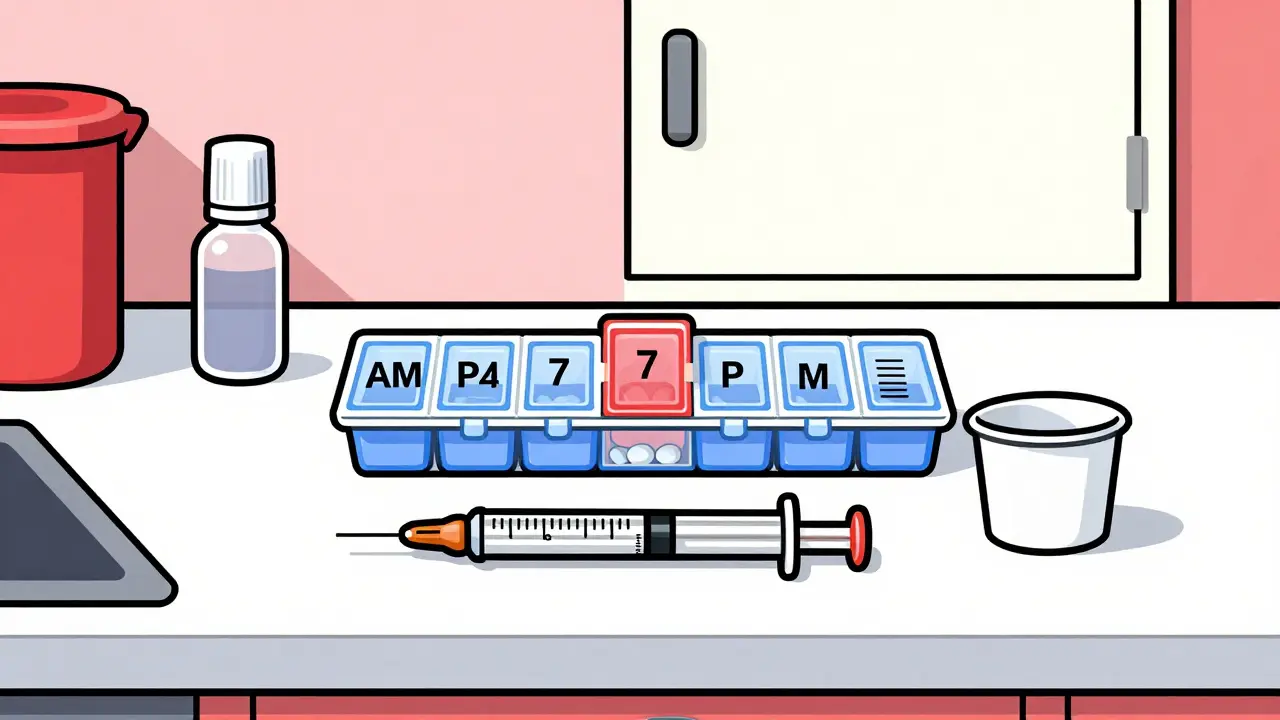
For liquid medications, precision is key. Never use household spoons to measure doses. They vary by 20-40% in volume. Instead, use calibrated oral syringes or dosing cups provided by the pharmacy. This ensures your loved one receives the exact amount prescribed.
Navigating High-Risk Scenarios
Certain situations demand extra vigilance. Polypharmacy is a major red flag. If your loved one takes five or more medications, ask their doctor about the Beers Criteria. This guideline identifies 30 high-risk medications inappropriate for elderly patients. Discuss whether any current drugs can be deprescribed or replaced with safer alternatives.
Care transitions are another high-risk period. When your loved one is discharged from the hospital, ensure you receive a clear reconciliation of all medications. Ask specifically:
- "Which new medications were started?"
- "Which old medications were stopped?"
- "Are there any changes in dosage or timing?"
If you are caring for someone with dementia, adherence becomes challenging. The Alzheimer’s Association recommends using seven-day pill organizers with AM/PM compartments. These tools simplify the process and provide visual confirmation that doses have been taken.

Leveraging Technology and Professional Support
Technology can be a powerful ally in medication management. Digital tracking apps like Medisafe and CareZone help caregivers stay organized. A Caregiver Action Network survey found that users of these apps reported 32% fewer missed doses compared to those using paper logs. Features like alarms and refill reminders add layers of protection.
However, technology is not a silver bullet. Some caregivers, particularly those over 65, find digital tools frustrating. In these cases, simple analog solutions like large-print calendars or magnetic pill boxes may work better. Choose tools that fit your lifestyle and your loved one’s comfort level.
Professional support is equally important. Schedule bi-annual consultations with a pharmacist. These 45-minute sessions can identify potential problems and reduce adverse drug events by 28%, according to the Journal of the American Geriatrics Society. Pharmacists can also perform medication therapy management (MTM), a service mandated by Medicare Part D for beneficiaries taking eight or more chronic medications.
| Tool Type | Best For | Pros | Cons |
|---|---|---|---|
| Pill Organizers | Dementia patients, simple regimens | Visual confirmation, easy to use | No interaction checks, manual filling required |
| Digital Apps | Tech-savvy caregivers, complex schedules | Alarms, refill reminders, data tracking | Learning curve, battery dependence |
| Pharmacist Reviews | Polypharmacy, high-risk scenarios | Expert analysis, interaction detection | Requires scheduling, cost considerations |
Communication Strategies with Healthcare Providers
Your role extends beyond administration; you are an advocate. Clear communication with doctors and pharmacists can prevent errors before they start. During pharmacy visits, spend at least 15 minutes discussing any changes. Pharmacists identified potential problems in 35% of these consultations, according to the American Pharmacists Association.
Ask open-ended questions:
- "What is the goal of this medication?"
- "How long will my loved one need to take it?"
- "What signs should I watch for that indicate a side effect?"
If something feels wrong, speak up. One caregiver on FamilyCaregiver.org shared how requesting a medication therapy management review led to the identification of three dangerous drug interactions they were unaware of. Trust your instincts and seek second opinions when necessary.
What is the most common cause of medication errors at home?
The most common causes include illegible prescriptions, look-alike/sound-alike drug names, and incorrect dosing due to unit conversion mistakes. Additionally, care transitions between hospital and home settings account for 62% of errors.
How can I prevent medication interactions in my loved one?
Maintain a comprehensive medication list and share it with all healthcare providers. Schedule regular reviews with a pharmacist to check for interactions. Be cautious with over-the-counter drugs and supplements, as they can also interact with prescriptions.
Is polypharmacy dangerous for older adults?
Yes, taking five or more medications significantly increases the risk of adverse drug events by 88% in adults over 65. It is crucial to regularly review the necessity of each medication with a doctor.
Should I use household spoons to measure liquid medication?
No, never use household spoons. They vary widely in volume. Always use calibrated oral syringes or dosing cups provided by the pharmacy to ensure accurate dosing.
How often should I review my loved one's medications with a pharmacist?
It is recommended to schedule bi-annual (every 6 months) consultations. These reviews can reduce adverse drug events by 28% and help identify unnecessary or risky medications.
Protecting your loved one from medication errors requires diligence, organization, and proactive communication. By implementing these strategies, you create a safer environment and contribute to better health outcomes. Remember, small consistent actions make a big difference in medication safety.