
Opioid Nausea & Interaction Checker
Select your current symptoms and medications below to receive evidence-based recommendations and safety warnings.
Imagine you are in severe pain after surgery or an injury. Your doctor prescribes a strong opioid to help you function again. But within hours, instead of relief, you feel sick. You vomit. You can’t keep the painkiller down. This is not just an annoyance; it is a major reason patients stop taking necessary medication. Opioid-induced nausea and vomiting (OINV) affects between 20% and 33% of people who take these drugs. It is one of the most common reasons for poor adherence to pain management plans.
Many patients believe that nausea is simply the price they must pay for pain relief. Some even say they would accept more pain rather than deal with the sickness. However, this does not have to be your reality. Understanding how opioids trigger nausea and which antiemetics (anti-nausea drugs) work best-without causing dangerous interactions-is critical for safe recovery. The goal here is not just to stop the vomiting, but to do so without risking your heart or breathing.
Why Do Opioids Make You Sick?
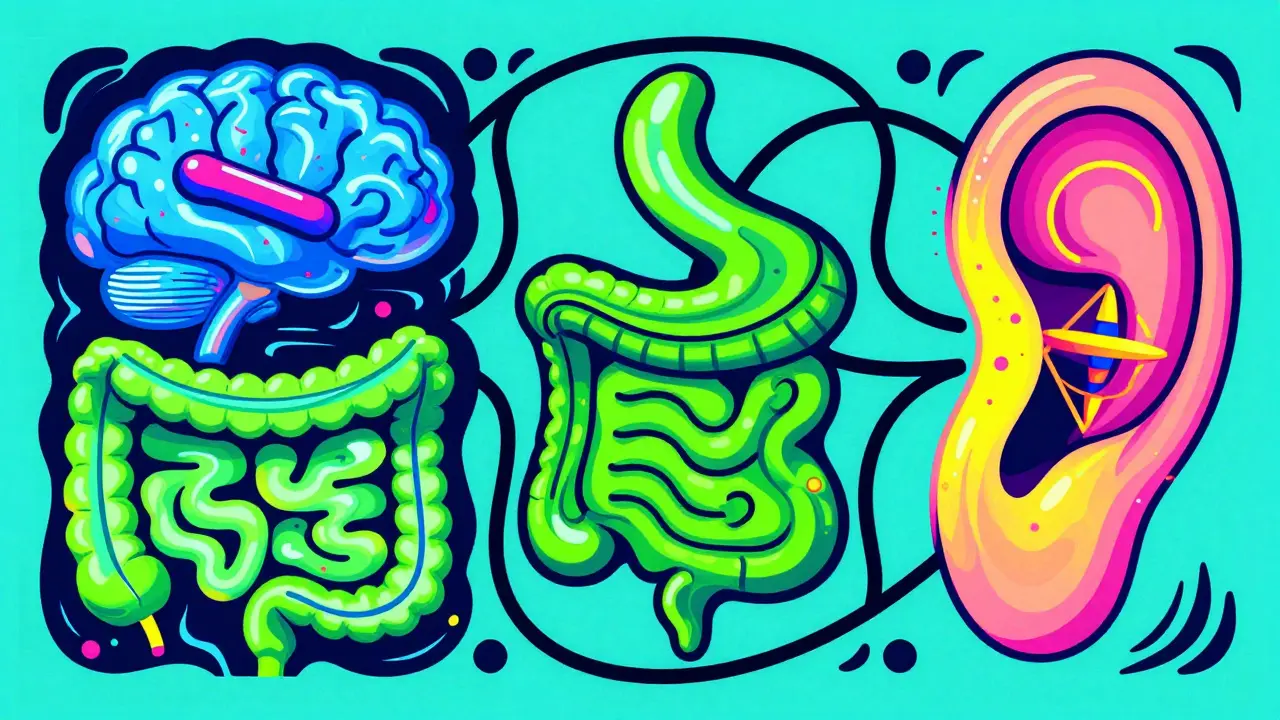
To treat the problem, we first need to understand the mechanism. Opioids do not just block pain signals; they affect multiple systems in your body simultaneously. There are three main pathways that lead to nausea when you take opioids like morphine, oxycodone, or tramadol.
- The Chemoreceptor Trigger Zone (CTZ): Located in the brainstem, the CTZ contains dopamine receptors. Opioids stimulate these receptors, sending a direct signal to the brain’s vomiting center. This is why dopamine-blocking drugs are often used.
- Gastrointestinal Slowing: Opioids bind to mu-opioid receptors in your gut. This slows down peristalsis (the wave-like muscle contractions that move food through your digestive tract). When food sits in your stomach too long, it causes bloating and nausea. This is closely linked to opioid-induced constipation.
- Vestibular Sensitivity: Opioids can make your inner ear more sensitive to motion. If you stand up quickly or walk around while on opioids, you may feel dizzy and nauseous, similar to motion sickness.
Knowing which pathway is causing your nausea helps determine the right treatment. If you feel sick immediately after taking the pill, it might be the CTZ. If you feel full and bloated, it is likely the gut. If you feel dizzy when moving, it is the vestibular system.
The Tolerance Factor: Will It Go Away?
Here is some good news: for most people, OINV is temporary. Clinical data shows that most patients develop tolerance to the emetic (nausea-causing) effects of opioids within 3 to 7 days at a constant dose. After this period, the nausea usually abates significantly.
This timeline changes how doctors approach treatment. For short-term use, such as post-surgical pain lasting a week, proactive antiemetic therapy is essential. For chronic pain management, if nausea persists beyond the first two weeks, it suggests the current opioid or dose is not suitable, and a change is needed. Experts often recommend co-prescribing antiemetics for the first 1-2 weeks for opioid-naïve patients (those new to opioids) to bridge this gap.
Choosing the Right Antiemetic
Not all anti-nausea drugs are created equal. Using the wrong one can be ineffective or even dangerous. The choice depends on the suspected cause of the nausea and the specific risks associated with each drug class.
| Drug Class | Examples | Best For | Key Risks & Notes |
|---|---|---|---|
| Dopamine Antagonists | Metoclopramide, Prochlorperazine | CTZ stimulation (central nausea) | Metoclopramide prophylaxis showed no benefit in recent Cochrane reviews. Risk of extrapyramidal symptoms (muscle stiffness/tremors). |
| Serotonin (5-HT3) Antagonists | Ondansetron, Palonosetron | Gut-related nausea and general prevention | Highly effective. Ondansetron has a black box warning for QTc prolongation (heart rhythm issues). Palonosetron may have better efficacy profiles. |
| Anticholinergics/Antihistamines | Scopolamine, Meclizine | Vestibular nausea (dizziness/motion sickness) | Effective if nausea worsens with movement. Can cause dry mouth, blurred vision, and confusion, especially in older adults. |
| Prokinetics | Methylniximide | Gastroparesis (slow stomach emptying) | Helps move food through the gut. Less commonly used as first-line for pure OINV compared to others. |
A key finding from the 2022 Cochrane review by Gottlieb et al. is that prophylactic (preventative) use of metoclopramide did not reduce the risk of vomiting or nausea in patients receiving intravenous opioids. This challenges old habits where metoclopramide was automatically prescribed. Instead, reactive treatment or using serotonin antagonists like ondansetron may be more effective for established nausea.
Critical Interaction Risks
While treating nausea, you must avoid creating new problems. Combining opioids with certain antiemetics and other medications can lead to severe, life-threatening conditions.
Respiratory Depression
Both opioids and many antiemetics (especially antihistamines like meclizine and phenothiazines like prochlorperazine) have sedative effects. When combined, they can suppress your respiratory drive. Dr. Carrie Krieger from the Mayo Clinic warns that mixing these medications can heighten effects, leading to slowed breathing, decreased heart rate, and in extreme cases, death. This risk is highest in older adults and those with underlying lung conditions like COPD.
Serotonin Syndrome
This is a rare but serious condition caused by excessive serotonin activity. The FDA has issued specific warnings about opioids interacting with antidepressants (SSRIs/SNRIs) and migraine medications (triptans). Some antiemetics, particularly ondansetron, also affect serotonin levels. If you are taking an SSRI for depression and add an opioid plus ondansetron, you increase your risk of serotonin syndrome. Symptoms include agitation, hallucinations, rapid heart rate, fever, and muscle rigidity. If you experience these, seek emergency care immediately.
QTc Prolongation
Several antiemetics, including ondansetron and droperidol, carry FDA black box warnings for prolonging the QT interval in the heart’s electrical cycle. A prolonged QT interval can lead to a dangerous arrhythmia called Torsades de Pointes. Patients with existing heart conditions, electrolyte imbalances (low potassium or magnesium), or those taking other QT-prolonging drugs should use these medications with extreme caution and possibly undergo ECG monitoring.

Best Practices for Management
Managing OINV requires a strategic approach that goes beyond just prescribing a pill. Here are evidence-based strategies derived from CDC guidelines and clinical research.
1. Start Low, Go Slow
For opioid-naïve patients, starting with the lowest effective dose minimizes side effects. Titrate the dose upward slowly over days or weeks. This allows the body to adjust to the medication gradually, reducing the shock to the CTZ and gut. For example, starting morphine at 1 mg orally twice daily for mild symptoms allows for careful assessment before increasing.
2. Targeted Therapy Based on Etiology
Do not guess. Assess the type of nausea:
- If the patient feels dizzy upon standing: Use an anticholinergic like scopolamine.
- If the patient has a feeling of fullness/bloating: Consider a prokinetic agent or lower the opioid dose.
- If the nausea is immediate and central: A serotonin antagonist like ondansetron is often preferred over metoclopramide based on recent efficacy data.
3. Opioid Rotation
If nausea persists despite antiemetic therapy, consider switching opioids. Different opioids have different propensities to cause nausea. Pharmacokinetic/pharmacodynamic (PK/PD) analysis shows that tapentadol has a significantly lower risk of nausea and constipation compared to oxycodone. Oxycodone, in turn, has a much lower risk profile than oxymorphone. Rotating to a drug with a lower emetic potential can resolve the issue entirely.
4. Patient Education
The 2022 CDC Clinical Practice Guideline mandates that providers advise patients about common effects like nausea before starting therapy. Patients should know that nausea is common, often temporary, and manageable. They should be instructed to report persistent vomiting immediately, as it can lead to dehydration and electrolyte imbalances, which further complicate recovery.
When to Seek Immediate Help
While nausea is common, certain signs indicate a medical emergency. Contact your healthcare provider or go to the ER if you experience:
- Inability to keep any fluids down for more than 24 hours.
- Signs of dehydration (dark urine, dizziness, dry mouth).
- Severe abdominal pain or distension (could indicate bowel obstruction).
- Symptoms of serotonin syndrome (agitation, high fever, muscle twitching).
- Slow or shallow breathing, or difficulty waking up.
How long does opioid-induced nausea last?
For most patients, opioid-induced nausea is temporary. It typically peaks during the first few days of therapy and resolves within 3 to 7 days as the body develops tolerance to the emetic effects of the drug. If nausea persists beyond two weeks, it may indicate that the specific opioid or dosage is unsuitable, and a consultation with your doctor for opioid rotation or dose adjustment is necessary.
Is metoclopramide effective for preventing opioid nausea?
Recent evidence suggests otherwise. A 2022 Cochrane review found that prophylactic (preventative) administration of metoclopramide did not significantly reduce the risk of vomiting or nausea in adults receiving intravenous opioids. While it may still be used for reactive treatment in some cases, serotonin antagonists like ondansetron are generally considered more effective for established opioid-induced nausea.
Can antiemetics interact dangerously with opioids?
Yes. The primary risks involve additive sedation and respiratory depression. Many antiemetics, such as antihistamines and phenothiazines, have sedative properties that can compound the respiratory depressant effects of opioids. Additionally, combinations involving SSRIs, triptans, and certain antiemetics like ondansetron can increase the risk of serotonin syndrome, a potentially life-threatening condition characterized by agitation, fever, and muscle rigidity.
What is the safest antiemetic for patients with heart conditions?
Patients with heart conditions, particularly those prone to arrhythmias, should use caution with serotonin antagonists like ondansetron and droperidol, as they carry black box warnings for QTc prolongation. In such cases, clinicians may prefer alternative classes like anticholinergics (e.g., scopolamine) if the nausea is vestibular, or carefully monitored low-dose regimens. Always consult a cardiologist or pharmacist before combining cardiac medications with antiemetics.
Does switching opioids help with nausea?
Yes, opioid rotation is a highly effective strategy. Different opioids have varying potencies and side effect profiles. For instance, studies indicate that tapentadol has a significantly lower risk of causing nausea and constipation compared to oxycodone. If a patient cannot tolerate one opioid due to severe nausea, switching to another with a different chemical structure or receptor binding profile often resolves the issue.
Sumit gupta
June 20, 2026 AT 01:44Yeah, the gut slowing down is the real killer here. You take the pill, feel better for an hour, then realize your stomach has basically turned into a parking lot for food. It’s wild how much we ignore the GI side effects until they ruin your day. Just keep moving if you can, helps a bit.
Annemarie Kautz
June 20, 2026 AT 05:24i hate that part about the heart risks :( ondansetron saved my life after surgery but now im scared to take it again. why do doctors just hand these out like candy without checking our ecg first??
Dale Simpson
June 21, 2026 AT 05:52You got this! Don't let the nausea win. I always tell people to start super low with their dose so your body doesn't freak out. It takes patience but once you get past that first week, things get way easier. Keep pushing through and stay positive!
alexander barrera
June 22, 2026 AT 05:54This is typical weakling whining 🤡. In my country we deal with actual pain without complaining about a little sickness. The pharmaceutical industry wants you dependent on every single drug combo just to make more money 💰. Stop being so sensitive and toughen up.
Charlotte Stuart
June 22, 2026 AT 09:09The article is decent but lacks nuance regarding the pharmacokinetics of newer agents. While tapentadol is mentioned, the discussion on mu-opioid receptor biased agonism is superficial. One must consider the noradrenergic reuptake inhibition component which significantly alters the side effect profile compared to pure mu-agonists. It is insufficient to merely state it has lower risk; one must understand the mechanism.
Hema Khimasia
June 24, 2026 AT 01:19The interplay between the chemoreceptor trigger zone and vestibular sensitivity creates a complex phenomenological experience for the patient. It is not merely physiological but impacts the subjective perception of bodily autonomy. The tolerance development suggests a homeostatic adaptation of the dopaminergic pathways, which is fascinating from a neurobiological standpoint. We often overlook the temporal dynamics of this adaptation in clinical settings.
krystal Live
June 25, 2026 AT 04:37Hey everyone! Remember that you are not alone in this struggle!! So many people go through this and it gets better. Try to stay hydrated even if its just small sips. You are strong and you will get through this recovery phase! 💪✨
Tucker Brown
June 26, 2026 AT 11:29I suspect the big pharma companies are pushing these antiemetics to mask the fact that opioids are fundamentally flawed drugs designed to keep you coming back for more. The 'side effects' are likely engineered to ensure dependency. Look at the timing of these studies. Coincidence? I think not.
Alyssa Smith
June 27, 2026 AT 15:04It is really important to listen to your body and communicate with your doctor. Different cultures have different approaches to pain management, but the science here is universal. If you feel dizzy or sick, speak up. Your health matters and there are alternatives that might work better for your specific situation.
Frank Polster
June 28, 2026 AT 21:18Oh wow, ground breaking news: drugs make you sick. Thanks for the detailed explanation of basic biology. I'm sure the millions of people who have been taking opioids for years didn't know that their guts slow down. Truly enlightening content here.
ankit agarwal
June 29, 2026 AT 23:54The pharmacodynamic properties of tapentadol offer a distinct advantage due to its dual mechanism of action involving both mu-opioid receptor agonism and norepinephrine reuptake inhibition. This dual pathway potentially mitigates the gastrointestinal adverse events commonly associated with traditional opioids. Furthermore, the reduced propensity for constipation and nausea aligns with improved patient compliance metrics observed in longitudinal studies. It is imperative to leverage these pharmacological nuances for optimized therapeutic outcomes.
Stephanie Cree
July 1, 2026 AT 22:16!!!You MUST read the entire section on serotonin syndrome!!! It is absolutely critical!!! Ignoring these warnings is irresponsible!!! Do you want to end up in the ICU?!?! Always consult your pharmacist!!! Never mix meds blindly!!! #SafetyFirst #MedicalAwareness 😡😡😡