

Corticosteroid Side Effect Risk & Protection Tool
Check the supportive therapies you are currently using:
Your Risk Assessment
Protection Score
Complete the form to see your personalized guidance.
There is a strange paradox in modern medicine. We have some of the most powerful anti-inflammatory drugs ever created, yet using them often feels like trading one problem for another. If you are taking corticosteroids, such as prednisone or methylprednisolone, you likely know this feeling well. These medications can save your life during an asthma attack or calm the raging inflammation of rheumatoid arthritis within hours. But they also come with a heavy price tag in terms of side effects-weight gain, mood swings, bone loss, and increased infection risk.
The good news? You do not have to just accept these side effects as inevitable. Research shows that proactive supportive therapies are medical interventions designed to mitigate adverse drug reactions while maintaining therapeutic efficacy can dramatically reduce harm. According to a major review published in Endocrine Reviews in June 2023, about 2% to 3% of the general population is currently on steroid treatment. That is millions of people who need to know how to protect their bodies while getting the benefits of the drug. This guide breaks down exactly what those supportive measures are, why they matter, and how to implement them effectively.
Understanding the Risk-Benefit Balance
To manage side effects, you first need to understand why they happen. Corticosteroids mimic cortisol, a hormone your adrenal glands produce naturally. When you take synthetic versions, your body stops making its own cortisol. This suppression is useful for stopping inflammation, but it disrupts many other systems. The drug does not distinguish between reducing swelling in your joints and breaking down bone tissue or raising blood sugar levels.
The severity of side effects depends heavily on two factors: dose and duration. Short-term use (less than three weeks) at low doses carries minimal risk. However, the Mayo Clinic notes that taking oral corticosteroids at doses exceeding 7.5 mg of prednisone equivalent daily for more than three months significantly increases the likelihood of adverse events. For example, long-term users face a 30-50% incidence rate of osteoporosis and a 10-20% chance of developing type 2 diabetes. Understanding these statistics helps you realize that monitoring is not optional-it is essential.
Protecting Your Bones: Calcium and Vitamin D
Bone loss is one of the most serious and silent side effects of steroid therapy. Steroids interfere with calcium absorption in the gut and increase calcium excretion through urine. Over time, this leads to thinning bones (osteopenia) and brittle bones (osteoporosis), which can result in fractures from minor falls.
The Hospital for Special Surgery recommends starting bone protection immediately if you are prescribed a dose of 5 mg or more of prednisone equivalent daily for longer than three months. Their protocol includes:
- Calcium Supplementation: Aim for 1,200 mg daily. This should include both dietary sources (like dairy, leafy greens, and fortified foods) and supplements if needed.
- Vitamin D: Take 800-1,000 IU daily. Vitamin D is crucial because your body cannot absorb calcium without it.
- Bisphosphonates: For high-risk patients, doctors may prescribe medications like alendronate to strengthen bone density further.
Do not wait until you break a bone to act. Studies show that early intervention with calcium and vitamin D can reduce fracture risk by 30-50%. Additionally, new guidelines from the European League Against Rheumatism (EULAR) suggest adding trabecular bone score assessments alongside standard DEXA scans for better risk stratification.
Managing Blood Sugar and Metabolic Health
Steroids cause insulin resistance, meaning your cells do not respond well to insulin, leading to higher blood sugar levels. This effect can happen quickly, sometimes within days of starting therapy. For some, this triggers pre-diabetes or full-blown type 2 diabetes.
To counteract this, you need a strict monitoring plan. The Endocrine Society recommends fasting blood glucose testing at baseline and every three months during therapy. If you are on long-term treatment, get your HbA1c tested every six months. Here is how you can support your metabolic health:
- Dietary Changes: Cut back on refined sugars and simple carbohydrates. Focus on complex carbs, fiber, lean proteins, and healthy fats.
- Exercise: Regular physical activity improves insulin sensitivity. Even moderate walking can help regulate blood sugar.
- Medication Adjustment: If your blood sugar remains high despite lifestyle changes, your doctor may temporarily adjust your diabetes medication or add metformin.
Remember, steroid-induced diabetes is often reversible once the dosage is lowered or stopped, but prolonged high blood sugar can cause permanent nerve damage. Staying vigilant is key.
Controlling Blood Pressure and Fluid Retention
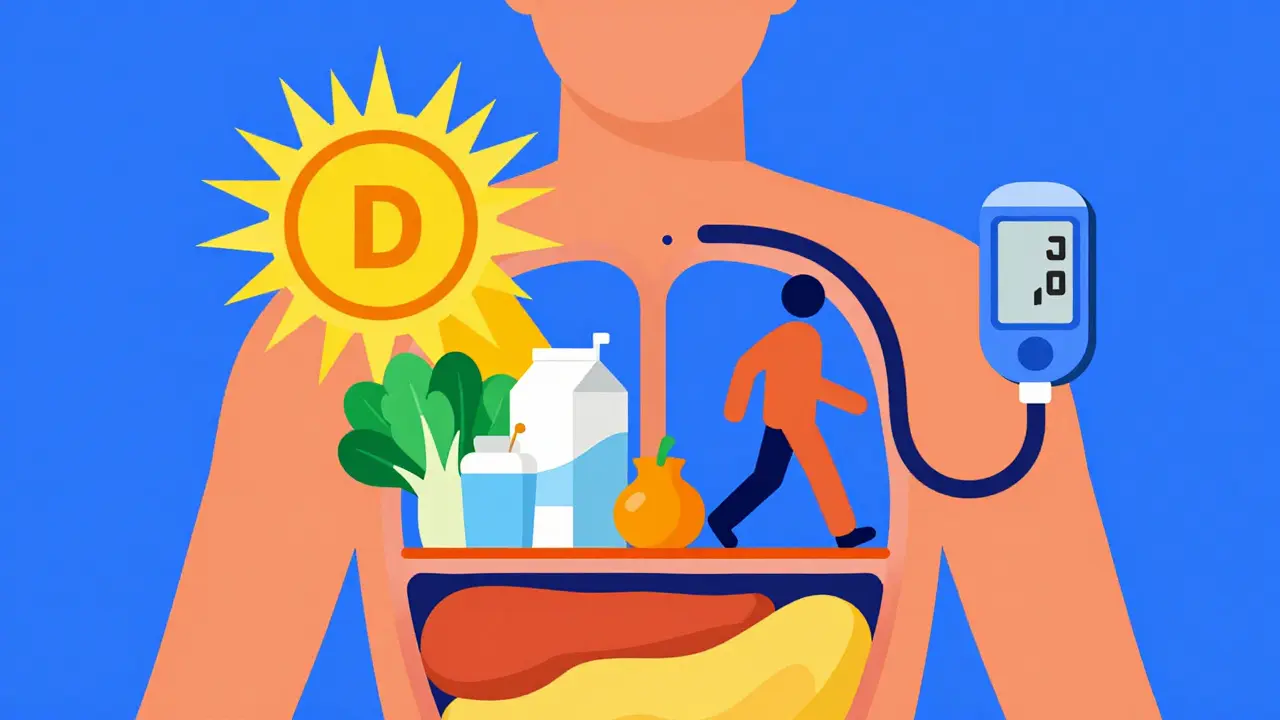
Corticosteroids cause your body to hold onto sodium and water, which raises blood volume and consequently blood pressure. Hypertension affects 30-40% of long-term steroid users. High blood pressure strains your heart and kidneys, increasing the risk of stroke and heart disease.
You should monitor your blood pressure weekly during dose escalation and monthly during maintenance. If readings exceed 140/90 mmHg on two separate occasions, consult your doctor. They may start you on antihypertensive therapy. In the meantime, limit your sodium intake to less than 2,300 mg daily (ideally under 1,500 mg). Avoid processed foods, canned soups, and salty snacks. Potassium-rich foods like bananas and spinach can also help balance sodium levels.
Mental Health and Sleep Hygiene
Many patients report feeling like a different person when on steroids. Mood swings, anxiety, irritability, and even depression are common. Insomnia is also a frequent complaint, affecting nearly 40% of users. These effects are real and physiological, caused by the drug's impact on neurotransmitters in the brain.
If you experience severe mood changes, tell your doctor immediately. Do not stop the medication abruptly, as this can lead to dangerous withdrawal symptoms. Instead, ask about adjusting the timing of your dose. Taking steroids in the morning mimics your body’s natural cortisol rhythm and may reduce sleep disturbances. For mood support, cognitive behavioral therapy (CBT) and mindfulness practices can be effective non-pharmacological tools. In some cases, short-term antidepressants or anti-anxiety medications may be necessary.
Preventing Infections
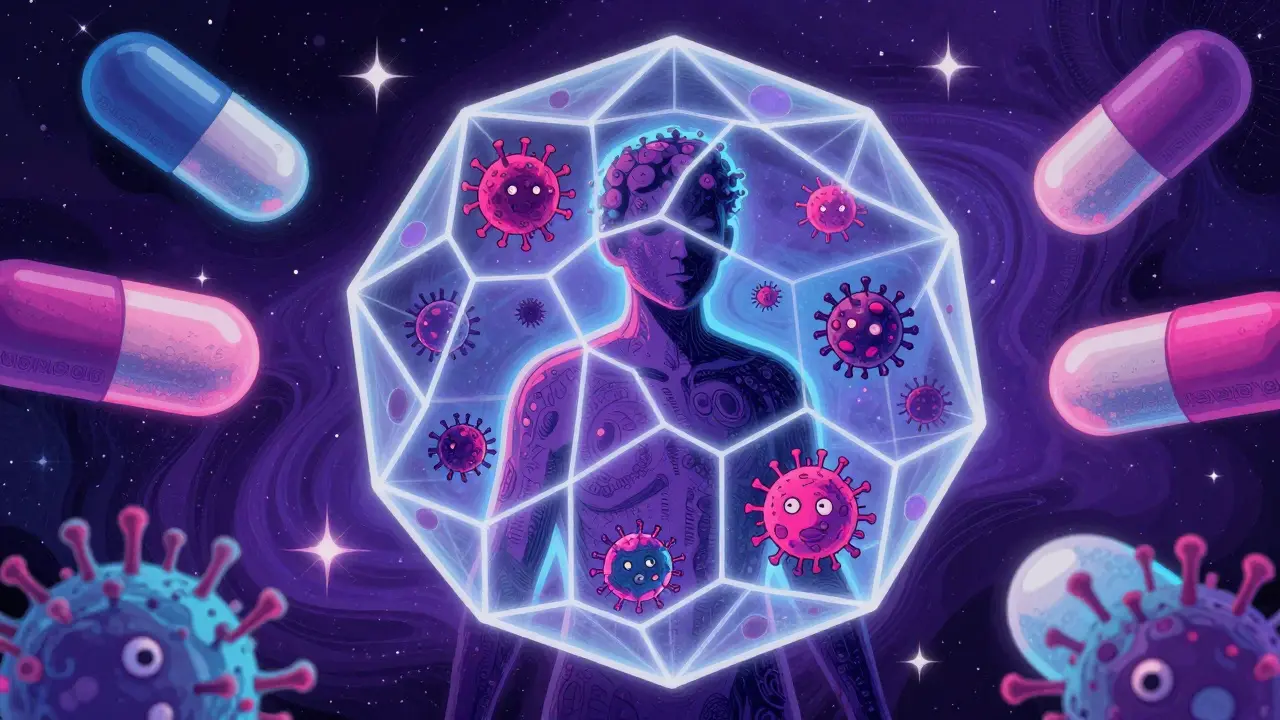
Because corticosteroids suppress the immune system, you are more susceptible to infections. Users face a 2.5-3.5 times higher risk of infection compared to those not on steroids. This means you need to be extra cautious about hygiene and exposure.
- Hand Hygiene: Wash your hands frequently and avoid close contact with sick individuals.
- Vaccinations: Stay up to date on flu shots and pneumonia vaccines. Note that live vaccines (like MMR or shingles vaccine) are generally contraindicated while on high-dose steroids.
- Oral Care: Steroids can increase the risk of thrush (a fungal infection in the mouth). Rinse your mouth with water after using inhaled steroids and maintain good dental hygiene.
If you develop a fever, cough, or unusual rash, seek medical attention promptly. What might be a minor illness for others could become serious for you.
The Importance of Tapering Off
Never stop taking corticosteroids suddenly if you have been on them for more than a few weeks. Your adrenal glands have stopped producing cortisol, and they need time to wake up. Abrupt cessation can cause adrenal insufficiency, a life-threatening condition characterized by extreme fatigue, dizziness, nausea, and low blood pressure.
Tapering must be gradual. The Mayo Clinic suggests reducing doses by 2.5-5 mg every 3-7 days for doses above 20 mg daily. For lower doses, reductions of 1 mg every 1-2 weeks are safer. Always follow your doctor’s tapering schedule. During this period, you may feel flu-like symptoms as your body adjusts. Be patient and listen to your body.
| Side Effect | Supportive Therapy | Monitoring Frequency | Expected Outcome |
|---|---|---|---|
| Bone Loss | Calcium + Vitamin D | DEXA scan every 1-2 years | 30-50% reduction in fracture risk |
| High Blood Sugar | Diet modification + Exercise | Fasting glucose every 3 months | Prevention of type 2 diabetes |
| Hypertension | Sodium restriction + BP meds | Weekly/Monthly BP checks | BP maintained below 140/90 mmHg |
| Infection Risk | Hygiene + Vaccinations | Ongoing vigilance | Reduced severity of infections |
Future Directions: Smarter Steroids
Science is working hard to separate the healing power of steroids from their harmful side effects. New drugs called selective glucocorticoid receptor modulators (SEGRMs) are in clinical trials. One promising candidate, vamorolone, showed 40% less impact on bone metabolism in Phase 3 trials for Duchenne muscular dystrophy while maintaining anti-inflammatory effects. Other research targets specific enzymes in tissues to block side effects locally. While these treatments are not yet widely available, they offer hope for a future where we can treat inflammation without paying such a high physical price.
Until then, the best defense is a strong offense. By actively managing your diet, monitoring your vitals, and staying connected with your healthcare provider, you can keep corticosteroid side effects in check. You do not have to suffer in silence. Use these supportive therapies to protect your health and get the most out of your treatment.
How long does it take for corticosteroid side effects to go away?
Most side effects, such as fluid retention and mood swings, improve within days to weeks after stopping or lowering the dose. However, bone loss and weight gain may take months or even years to reverse fully. Some effects, like cataracts or severe osteoporosis, may be permanent if not managed early.
Can I drink alcohol while taking corticosteroids?
It is generally advised to limit or avoid alcohol. Steroids can irritate the stomach lining, increasing the risk of ulcers. Alcohol worsens this irritation and can also raise blood triglycerides and interfere with liver function. If you do drink, do so in moderation and always with food.
What foods should I avoid on steroids?
Avoid high-sodium foods (processed meats, canned soups, fast food) to prevent fluid retention and high blood pressure. Limit sugary drinks and desserts to control blood sugar spikes. Also, reduce saturated fats to protect your heart health, as steroids can negatively affect cholesterol levels.
Is it safe to exercise while on corticosteroids?
Yes, exercise is highly recommended. It helps combat muscle weakness, improve bone density, and regulate blood sugar. However, choose low-impact activities like walking, swimming, or cycling to protect your joints, especially if you have osteoporosis. Consult your doctor before starting any new intense workout routine.
Why do steroids cause weight gain?
Steroids increase appetite and cause fluid retention. They also alter fat distribution, leading to central obesity (weight gain around the abdomen and face). This is due to changes in how your body metabolizes fats and carbohydrates. Managing calorie intake and staying active can help minimize, but not completely eliminate, this effect.