
Diabetes Medication Side-Effect Matcher
Tell us about your situation and we'll rank the five main drug classes by how well their side-effect profile fits you.
Your ranked matches
Best fit firstFill in your details on the left and press See My Matches to get a personalized ranking of diabetes medication classes.
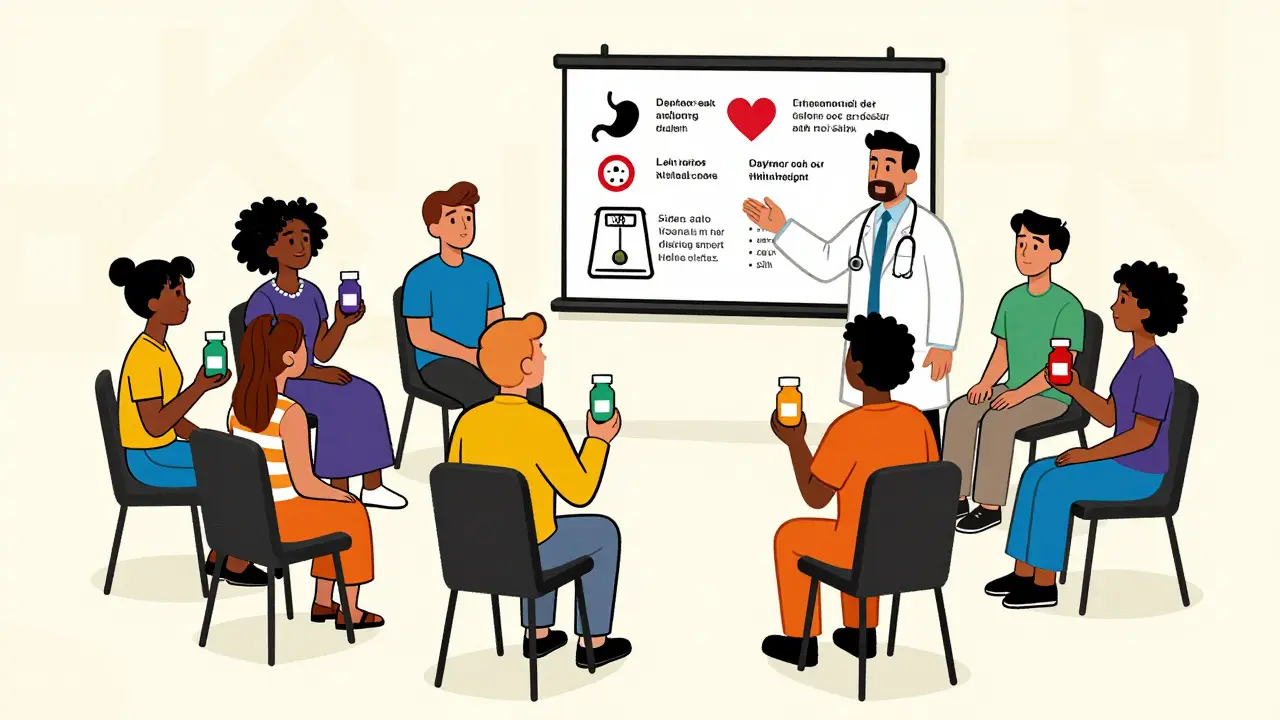
Most people assume that if a diabetes pill lowers your blood sugar, it’s doing its job. But here’s the catch: the right medication isn’t just about efficacy; it’s about living with it. If a drug makes you nauseous, causes dangerous low blood sugar episodes, or adds unwanted weight, you’re less likely to stick with it. That’s why choosing diabetes medications based on their side effect profiles is one of the most critical decisions you and your doctor will make together.
For years, the standard approach was “start with metformin, add more until numbers drop.” Today, guidelines from the American Diabetes Association (ADA) and the European Association for the Study of Diabetes (EASD) push for a more personalized strategy. They ask: What are your comorbidities? Are you at risk for heart failure? Do you have kidney issues? And crucially, which side effects can you actually tolerate? This shift means that two patients with the same HbA1c might be prescribed completely different drugs because their bodies react differently to them.
Why Side Effects Matter More Than You Think
It’s not just about discomfort. Adverse drug reactions (ADRs) are the primary reason patients stop taking their medication. According to recent data from the ADA’s Standards of Medical Care, over 94% of patients report some form of adverse reaction to antidiabetic meds. When you stop taking your medicine, your blood sugar spikes, leading to complications like nerve damage, vision loss, or cardiovascular events. So, managing side effects isn’t optional-it’s central to long-term health.
Consider this: a patient who experiences severe hypoglycemia (low blood sugar) from a sulfonylurea might start carrying heavy snacks everywhere, avoiding exercise, or even skipping doses out of fear. That lifestyle change often does more harm than good. By picking a drug with a milder profile, you protect both your metabolism and your quality of life.
The Major Classes and Their Specific Risks
Not all diabetes drugs are created equal. Each class has a distinct fingerprint of potential side effects. Understanding these helps you anticipate what might happen and how to manage it.
- Metformin is the first-line therapy for most type 2 diabetes patients due to its favorable safety profile and cost-effectiveness. The main complaint is gastrointestinal distress-nausea, diarrhea, or bloating. About 30% of people feel this when they start, but switching to an extended-release version or starting at a low dose (500 mg) can reduce that number significantly. Rarely, in patients with severe kidney disease, it can cause lactic acidosis, but this is extremely uncommon in healthy kidneys.
- Sulfonylureas (like glimepiride or glibenclamide) are older oral agents that stimulate insulin production, associated with higher risks of hypoglycemia and weight gain compared to newer classes. These are potent but risky. Glibenclamide, for instance, causes hypoglycemia in up to 77% of patients in some studies, while glimepiride is safer at around 44%. Weight gain is also a common trade-off, adding a few pounds over time.
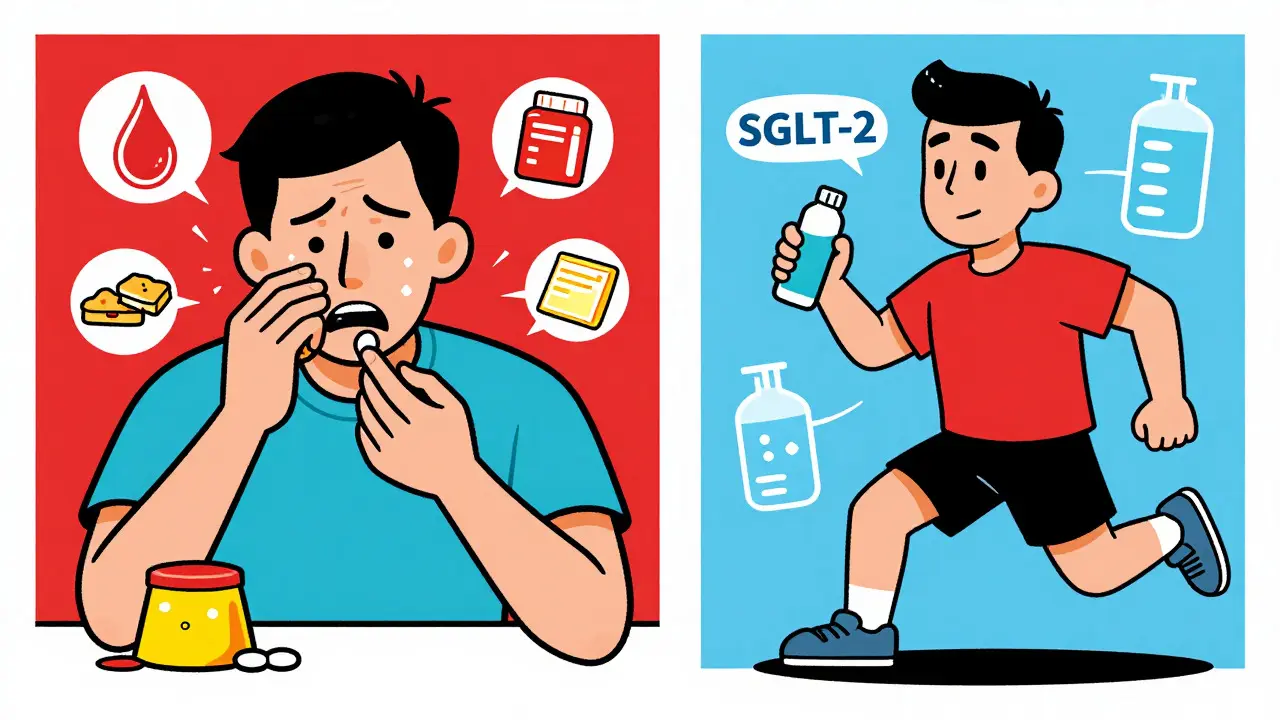
- SGLT-2 Inhibitors (like empagliflozin or dapagliflozin) are drugs that help kidneys excrete glucose through urine, offering cardiovascular and renal benefits alongside mild genitourinary infection risks. These are game-changers for heart and kidney health. However, because they work by dumping sugar in your urine, they increase the risk of yeast infections and urinary tract infections. Women are more prone to genital mycotic infections (3-10%), while men face lower but still present risks (1-4%). Staying hydrated and maintaining good hygiene can mitigate this.
- GLP-1 Receptor Agonists (like liraglutide or semaglutide) are injectable or oral therapies that mimic gut hormones to improve insulin sensitivity and promote significant weight loss, though often causing initial nausea. These are popular for their weight-loss benefits. The downside? Nausea. Up to 45% of users experience it initially. However, for most, it fades after a few weeks. It’s a temporary hurdle for a long-term gain in weight management and blood sugar control.
- DPP-4 Inhibitors (like sitagliptin) are oral medications with a neutral weight effect and very low hypoglycemia risk, making them suitable for older adults or those with kidney impairment. These are the “quiet” option. They rarely cause low blood sugar or weight changes. Common minor side effects include headaches or nasopharyngitis (cold-like symptoms). They are often chosen when other options are too harsh.
Matching the Drug to Your Body: Key Decision Factors
Your personal health history dictates which side effects are acceptable and which are deal-breakers. Here’s how doctors typically weigh the scales:
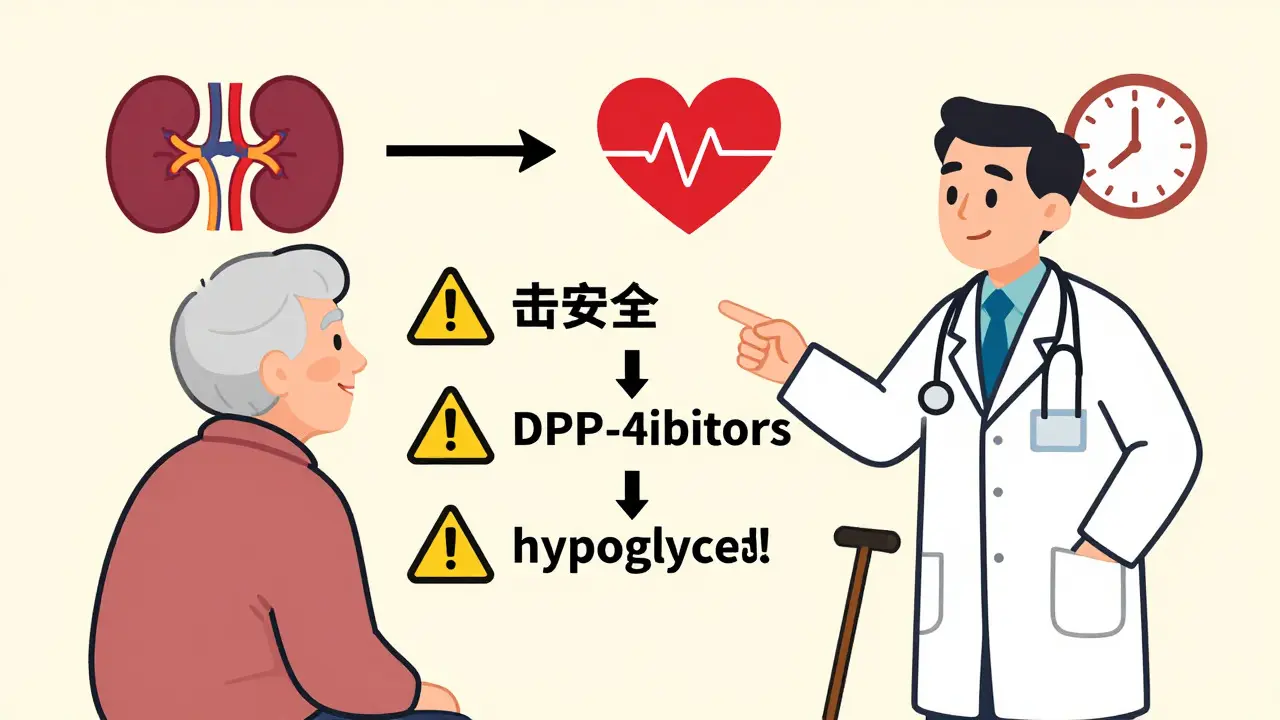
- Kidney Function: If your eGFR (kidney filtration rate) is below 30, metformin is usually off the table due to lactic acidosis risk. DPP-4 inhibitors like linagliptin require no dose adjustment, making them a safer bet for advanced chronic kidney disease.
- Heart Health: If you have established cardiovascular disease or heart failure, SGLT-2 inhibitors or GLP-1 agonists are preferred. Studies show empagliflozin reduces cardiovascular death by 14%, a benefit that outweighs its modest infection risks.
- Age and Hypoglycemia Risk: For older adults or those with irregular eating habits, sulfonylureas are generally avoided. Dr. John B. Buse, a prominent endocrinologist, notes that the hypoglycemia risk with these drugs is high enough to warrant caution in seniors. DPP-4 inhibitors or SGLT-2 inhibitors are safer alternatives here.
- Weight Goals: If losing weight is a priority, GLP-1 agonists are top-tier. Tirzepatide, for example, showed 15.7% weight loss in trials. Metformin is weight-neutral, while sulfonylureas and thiazolidinediones tend to cause gain.
Practical Strategies to Minimize Side Effects
You don’t always have to choose between effectiveness and comfort. There are proven ways to tame side effects:
- Start Low, Go Slow: For metformin, starting at 500 mg daily with dinner and increasing weekly reduces GI issues from 15% discontinuation rates down to 4%. For GLP-1s, gradual dose escalation cuts nausea incidence from 45% to 18%.
- Hygiene Matters for SGLT-2 Users: Educating patients on proper genital hygiene reduced discontinuation due to infections by 35% in one hospital protocol. It’s simple, but effective.
- Choose the Right Formulation: Extended-release metformin is significantly better tolerated than immediate-release. If you’re struggling with stomach upset, ask your doctor about switching formulations.
What Patients Are Actually Experiencing
Data from clinical trials is great, but real-world feedback tells a different story. On diabetes forums, 68% of metformin users report initial GI distress that improves within 2-4 weeks. Meanwhile, 73% of SGLT-2 inhibitor users mention yeast infections as a concern, though 61% find them manageable with simple antifungal treatment. For GLP-1 users, 58% cite nausea as the reason for quitting, but those who persist beyond 8 weeks often report significant weight loss, averaging 7.2 kg over six months. This highlights the importance of patience and communication with your healthcare provider.
| Medication Class | Primary Side Effects | Hypoglycemia Risk | Weight Impact | Best For |
|---|---|---|---|---|
| Metformin | GI distress (nausea, diarrhea) | Very Low | Neutral / Mild Loss | First-line for most T2D patients |
| Sulfonylureas | Hypoglycemia, weight gain | High | Gain | Cost-sensitive patients without heart/kidney issues |
| SGLT-2 Inhibitors | Genital/urinary infections, volume depletion | Low | Mild Loss | Patients with heart failure or kidney disease |
| GLP-1 Agonists | Nausea, vomiting | Low | Significant Loss | Obesity, cardiovascular disease |
| DPP-4 Inhibitors | Headache, nasopharyngitis | Very Low | Neutral | Older adults, CKD patients |
Frequently Asked Questions
Which diabetes medication has the fewest side effects?
There is no single "best" answer, but Metformin and DPP-4 inhibitors are generally considered to have the mildest profiles. Metformin may cause initial stomach upset, while DPP-4 inhibitors like sitagliptin are often well-tolerated with minimal systemic effects. The choice depends on your specific health conditions.
Can I take SGLT-2 inhibitors if I have a history of yeast infections?
Yes, but you need to be proactive. SGLT-2 inhibitors do increase the risk of genital mycotic infections. Maintaining strict hygiene, staying hydrated, and having an easy access to antifungal treatments can make them a viable option, especially if you have heart or kidney concerns.
Are GLP-1 agonists worth it if I hate injections?
If the nausea is manageable, many patients find the weight loss and blood sugar control benefits worth the injection. However, oral versions like semaglutide (Rybelsus) are now available, eliminating the needle entirely. Discuss this option with your doctor if injectables are a barrier.
Why did my doctor switch me from a sulfonylurea to another drug?
Likely due to hypoglycemia events or weight gain. Sulfonylureas carry a higher risk of low blood sugar, which is particularly dangerous for older adults or those with irregular meal times. Newer classes like SGLT-2 inhibitors or DPP-4 inhibitors offer safer profiles for long-term management.
Does metformin really cause permanent nerve damage?
No, that’s a myth. Metformin itself does not cause peripheral neuropathy. However, uncontrolled blood sugar does. By effectively lowering glucose, metformin actually helps prevent nerve damage. The rare risk of lactic acidosis is only relevant in severe kidney failure.