
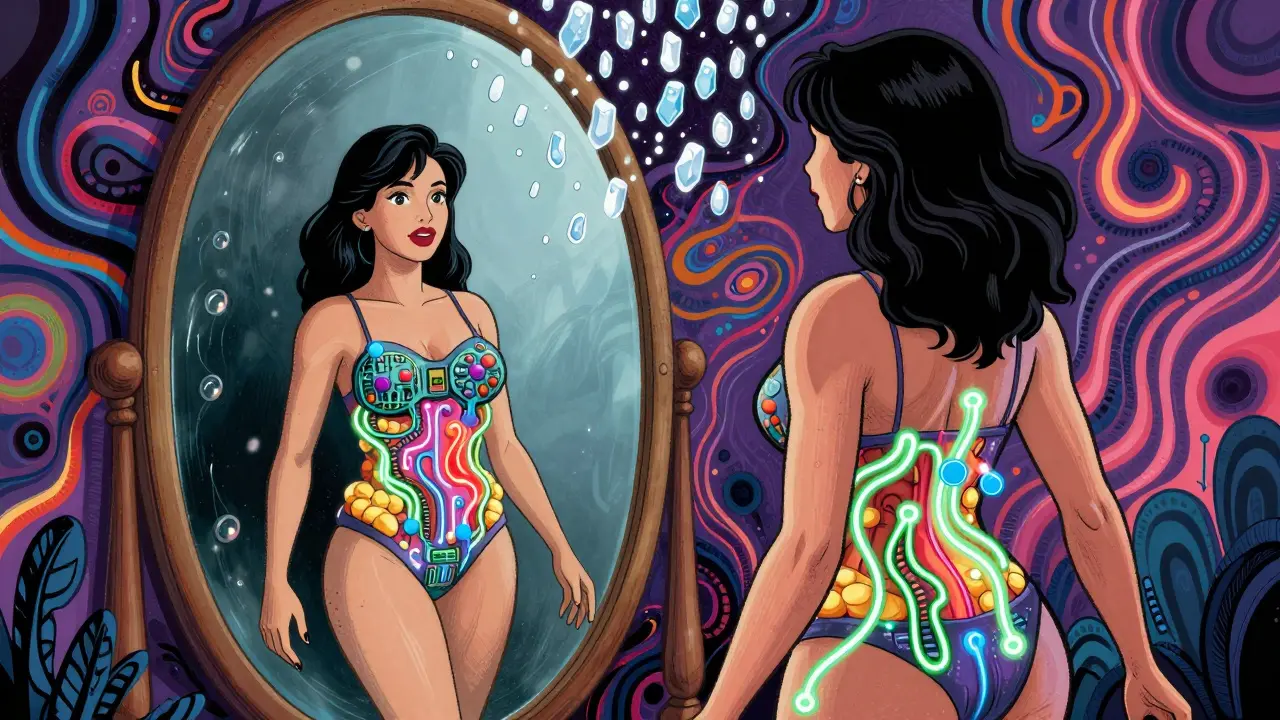
Women with PCOS aren’t just struggling to lose weight-they’re fighting a biological system designed to make it harder. It’s not about willpower. It’s not about eating less. It’s about insulin resistance, the hidden driver behind stubborn belly fat, intense cravings, and failed diets.
Why Weight Comes So Easily with PCOS
If you have PCOS, your body doesn’t respond to insulin the way it should. Insulin is the hormone that tells your cells to take in sugar from your blood. But with insulin resistance, your cells ignore those signals. So your pancreas pumps out more insulin to compensate. That extra insulin doesn’t just float around-it starts storing fat, especially around your abdomen. This isn’t random. Studies show 70% to 95% of women with PCOS who are overweight have insulin resistance. Even lean women with PCOS? 30% to 75% still have it. That means whether you’re thin or heavier, insulin resistance is likely at the core of your symptoms. High insulin also tells your ovaries to make more testosterone. That’s why many women with PCOS grow facial hair, get acne, or stop ovulating. But it also makes you hungrier, especially for carbs and sugar. You feel full less often. You crave snacks. You eat more. And the more you eat, especially refined carbs, the more insulin spikes-fueling the cycle. It’s a loop: insulin resistance → more fat storage → worse insulin resistance → more cravings → more weight gain. And the extra fat, especially around your waist, makes your body even more resistant to insulin. It’s not you. It’s your biology.The Hidden Health Risks Beyond the Scale
Losing weight isn’t just about fitting into jeans. With PCOS, extra weight isn’t just cosmetic-it’s dangerous. Abdominal fat is metabolically active. It releases inflammatory chemicals that make insulin resistance worse. That’s why women with PCOS are three to seven times more likely to develop type 2 diabetes than women without it. High insulin and high testosterone also raise your risk for:- High blood pressure
- High cholesterol
- Heart disease
- Sleep apnea
- Endometrial cancer
What to Eat: The Real Diet Strategy for PCOS
Forget counting calories. Forget keto or juice cleanses. The goal isn’t to starve yourself. It’s to keep insulin low and steady. The most effective approach? Eat food that doesn’t spike your blood sugar. That means:- Choosing complex carbs over refined ones
- Pairing carbs with protein and fat
- Avoiding sugary drinks and snacks
- Eating fiber-rich vegetables at every meal
Meal Timing and Snacking Patterns
When you eat matters as much as what you eat. Eating large meals or grazing all day keeps insulin elevated. Try eating three balanced meals with no snacks in between. If you’re hungry between meals, reach for a handful of almonds or a hard-boiled egg. Some women find success with time-restricted eating-like eating only within an 8- to 10-hour window each day. This gives your body a break from insulin production. But don’t skip meals to do it. Skipping meals can trigger blood sugar crashes and make cravings worse.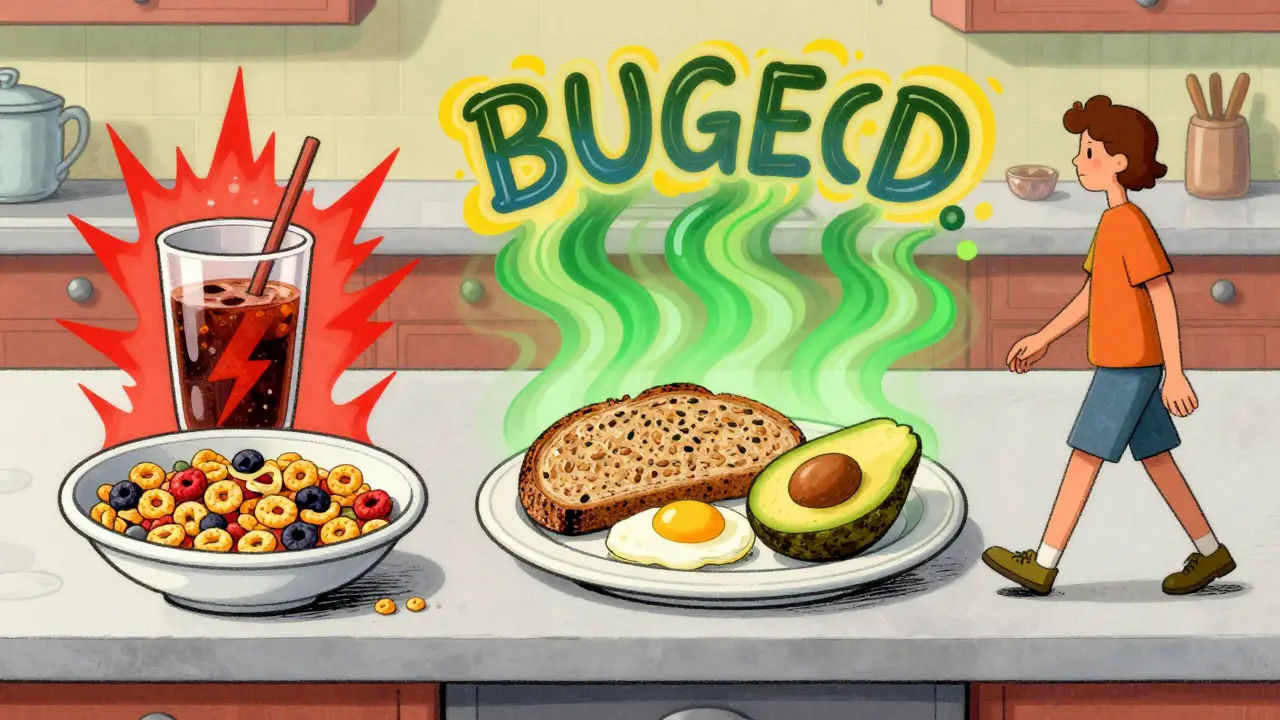
Why Most Diets Fail with PCOS
You’ve probably tried low-fat diets, intermittent fasting, or calorie counting. And you’ve probably felt frustrated when the weight didn’t budge. That’s because most diets ignore insulin resistance. A low-fat diet often means more carbs-and that means more insulin. A very low-calorie diet can slow your metabolism and increase stress hormones like cortisol, which makes fat storage worse. Even keto can backfire if it’s too restrictive, leading to burnout and bingeing. The key isn’t perfection. It’s consistency. You don’t need to eat perfectly every day. You need to make choices that keep insulin stable most of the time.What About Exercise?
Exercise helps-but not because it burns a ton of calories. Strength training builds muscle, and muscle is more sensitive to insulin. That means your body uses sugar better, even when you’re not working out. Walking after meals is one of the most effective things you can do. A 15- to 20-minute walk after lunch or dinner helps your muscles take up sugar from your blood, lowering insulin naturally. You don’t need to run marathons. Just move.Real-Life Changes That Work
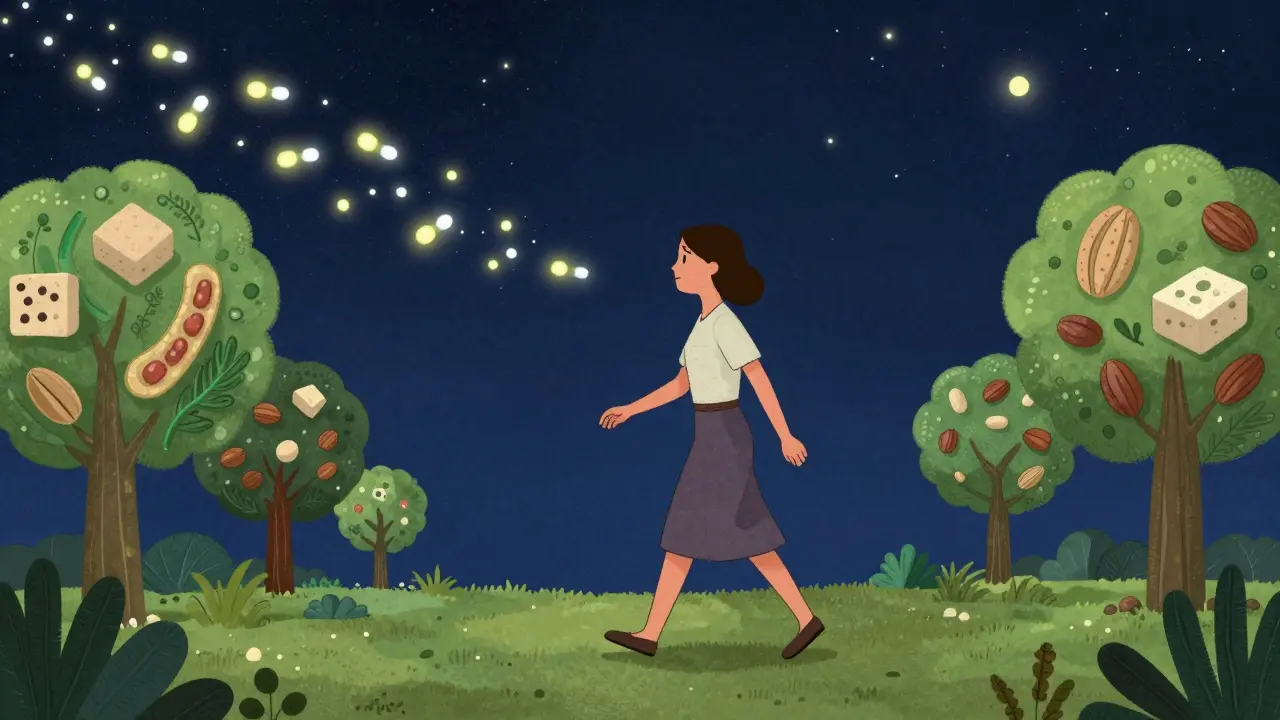
Sarah, 34, had PCOS for 8 years. She gained 40 pounds after her second child. She tried every diet. Nothing stuck. Then she started:- Replacing breakfast cereal with scrambled eggs and spinach
- Swapping afternoon cookies for a small handful of walnuts
- Walking 20 minutes after dinner every night
- Drinking water instead of soda
Supplements and Medications: Helpful, But Not Magic
Metformin is sometimes prescribed for PCOS because it improves insulin sensitivity. It’s not a weight-loss drug, but it can help reduce cravings and make dieting easier. Supplements like inositol (especially myo-inositol and D-chiro-inositol) have been shown in studies to improve insulin sensitivity and support ovulation. Vitamin D deficiency is common in PCOS-getting levels checked and supplementing if needed can help too. But none of these replace diet and lifestyle. They just support them.You’re Not Broken
If you’ve tried everything and still can’t lose weight, it’s not your fault. PCOS isn’t a failure of discipline. It’s a metabolic condition with a strong hormonal component. The good news? You can change how your body responds. You don’t need to lose 50 pounds to see results. Losing just 5% to 10% of your body weight can restore ovulation, lower insulin, and reduce symptoms. Start small. Swap one sugary snack for a protein-rich one. Walk after dinner. Drink water instead of soda. These tiny shifts add up. And over time, they retrain your body to stop storing fat and start burning it.What You Can Do Today
1. Look at your pantry. Remove anything with added sugar-soda, candy, flavored yogurt, granola bars. 2. Plan your next meal. Include a protein (chicken, tofu, beans), a healthy fat (avocado, olive oil), and a non-starchy vegetable (broccoli, spinach, peppers). 3. Take a 15-minute walk after your next meal. 4. Drink a glass of water before every meal. You don’t need a perfect plan. You just need to start breaking the insulin cycle. One meal at a time.Can you lose weight with PCOS if you’re not overweight?
Yes. Even women with PCOS who are lean often have insulin resistance and abdominal fat. Weight loss isn’t always the goal-improving insulin sensitivity is. Small changes like reducing sugar, eating more protein, and moving after meals can improve symptoms like irregular periods and acne, even without major weight loss.
Is keto good for PCOS?
Keto can help lower insulin levels, which is beneficial. But it’s not necessary for everyone. Some women find keto too restrictive and end up bingeing later. A more sustainable approach is reducing refined carbs and sugar, not eliminating all carbs. Focus on whole foods, not extreme diets.
Why do I crave sugar so much with PCOS?
High insulin causes blood sugar to drop quickly after eating carbs, triggering hunger and cravings for quick energy-usually sugar. It’s your body trying to stabilize blood sugar. Protein and fat help slow digestion and prevent these crashes, reducing cravings over time.
Does stress make PCOS weight gain worse?
Yes. Stress raises cortisol, a hormone that increases appetite and promotes belly fat storage. It also makes insulin resistance worse. Managing stress through sleep, walking, or breathing exercises can help reduce these effects-even without changing your diet.
How long does it take to see results with a PCOS diet?
Some women notice reduced cravings and more energy within 2-4 weeks. Changes in menstrual regularity or weight loss usually take 3-6 months. The key is consistency, not speed. Your body has been in insulin overload for years-it takes time to reset.
Emma Hooper
December 31, 2025 AT 00:40Okay but let’s be real - if you have PCOS and you’re still drinking ‘natural’ fruit juice, you’re basically pouring sugar into your veins and wondering why your belly won’t shrink. 🍊💀 I swapped mine for sparkling water + lemon and my cravings dropped like a rock. No magic, just biology. Also, walking after dinner? Game. Changer.
Robb Rice
January 1, 2026 AT 05:41While I appreciate the practical advice presented here, I must note that the term 'insulin resistance' is often misapplied in wellness circles. The physiological mechanism is indeed well-documented, but the dietary recommendations - while generally sound - lack individualized context. For example, fiber quality and glycemic load vary significantly across food sources, and not all complex carbs are equal. A nuanced approach is needed.
Darren Pearson
January 3, 2026 AT 00:05Frankly, this post is a breath of fresh air in a sea of toxic diet culture. Most ‘experts’ still push calorie counting like it’s 2008. The insulin paradigm is not just correct - it’s revolutionary. I’ve seen patients lose 15% body fat without ever counting a single calorie, simply by eliminating processed carbs and walking post-meals. The science is irrefutable. If you’re still chasing the ‘low-fat’ dream, you’re not lazy - you’ve just been lied to.
Hanna Spittel
January 3, 2026 AT 20:24THEY KNOW. THEY KNOW WHAT THEY’RE DOING. 🤫💊 Sugar is in EVERYTHING - even ‘healthy’ granola. They want you addicted so you keep buying meds and supplements. Metformin? Big Pharma’s best friend. 🚨
John Chapman
January 4, 2026 AT 06:50YES. YES. YES. This is the exact message we need. I was told for years to eat less and move more - guess what? I gained 30 lbs anyway. Then I started eating eggs for breakfast and walking after dinner - and my skin cleared up, my anxiety dropped, and I stopped crying over snacks. This isn’t dieting. It’s liberation. 🙌
Martin Viau
January 5, 2026 AT 05:12Typical American wellness nonsense. In Canada, we treat PCOS with metformin and hormonal therapy - not some Instagram bio about ‘swapping cereal.’ You can’t out-eat a hormonal disorder. This post romanticizes struggle. It’s not about ‘tiny shifts’ - it’s about medical intervention. Stop pretending nutrition is a substitute for endocrinology.
Deepika D
January 5, 2026 AT 08:44As someone who’s been living with PCOS for over 12 years and helped over 200 women navigate this, let me tell you - this post is 100% on point. I’ve seen women go from irregular cycles and constant fatigue to ovulating regularly and sleeping through the night just by swapping white rice for quinoa, adding a handful of almonds to their afternoon tea, and walking after dinner. It’s not about perfection - it’s about consistency. And yes, even if you’re ‘thin,’ you can still have visceral fat and insulin resistance. Your body doesn’t lie. Start with one meal. One walk. One glass of water. That’s all it takes to begin rewiring your metabolism. You’re not broken. You’re just misunderstood. And you’re not alone. I’m right here with you - every step of the way.
Retha Dungga
January 7, 2026 AT 08:07the body is a temple but also a storm... insulin is the thunder... sugar is the lightning... we are just trying to survive the weather 🌩️
Jenny Salmingo
January 8, 2026 AT 10:07I’m from a small town where no one talks about PCOS. I showed my mom this post. She cried. She said she never knew why I was always hungry. Now she makes me eggs instead of toast. Small things. Big difference.