

HAS-BLED Bleeding Risk Calculator
This tool estimates your bleeding risk when taking blood thinners. The HAS-BLED score helps healthcare providers assess your risk of major bleeding complications. Higher scores indicate greater risk.
Remember: This is for informational purposes only and should not replace professional medical advice.
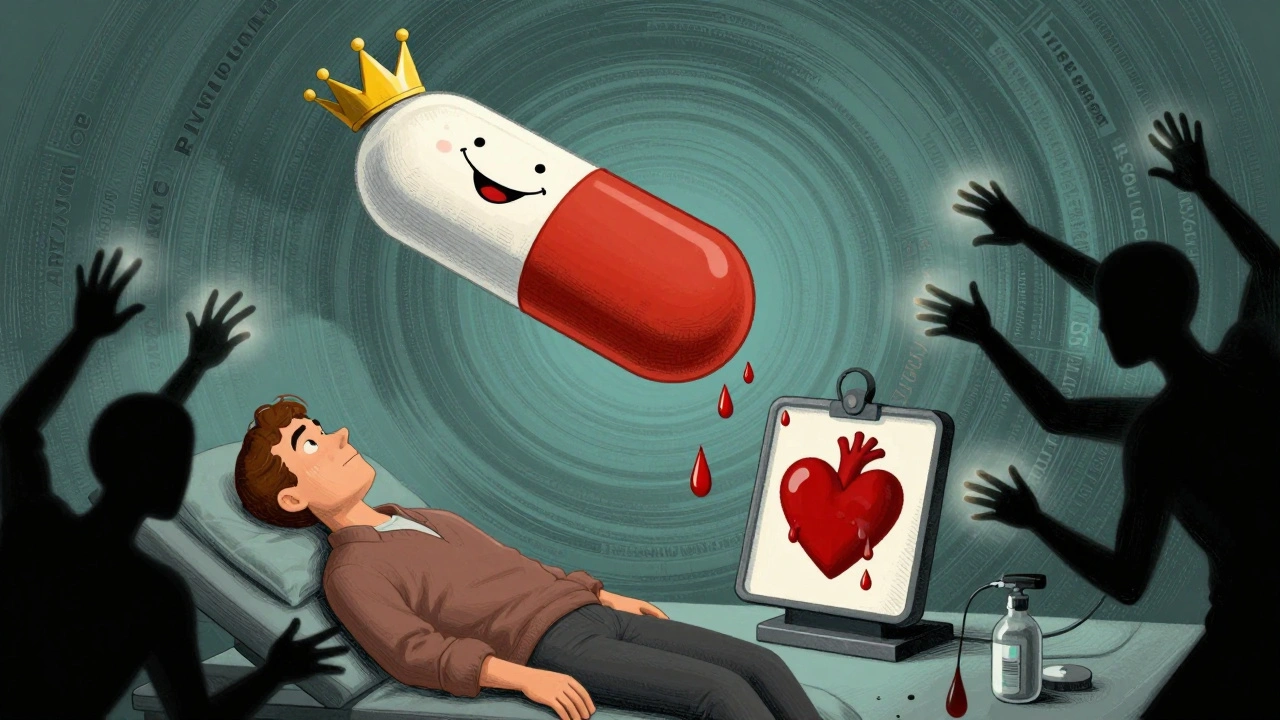
Combining aspirin with other blood thinners isn't just a minor adjustment-it’s a decision that can seriously increase your chance of dangerous bleeding. Many people take aspirin daily for heart health, not realizing it’s already a blood thinner. When you add it to prescription anticoagulants like warfarin, rivaroxaban, or apixaban, you’re stacking two powerful effects that can overwhelm your body’s ability to stop bleeding. This isn’t theoretical. Real patients are ending up in the ER with internal bleeding because this combo wasn’t properly evaluated.
How Aspirin and Blood Thinners Work Together-And Why That’s Dangerous
Aspirin doesn’t thin your blood the same way warfarin or Eliquis do. It works on platelets, the tiny cells that clump together to form clots. By blocking an enzyme called cyclooxygenase-1, aspirin stops platelets from sticking to each other. That’s useful if you’ve had a heart attack or stroke-you don’t want clots forming in your arteries. But when you add a direct oral anticoagulant (DOAC) like rivaroxaban or dabigatran, which targets clotting factors in the blood itself, you’re hitting the clotting system from two sides at once.
This dual attack doesn’t just add risk-it multiplies it. Studies show that people taking both aspirin and an anticoagulant have double the risk of serious bleeding compared to those on just one drug. The effect isn’t mild. It’s significant enough that major medical guidelines now warn against combining them unless absolutely necessary.
Where Bleeding Happens-And How Often
Bleeding from this combo doesn’t always come with a fall or injury. It often happens silently. The most common sites are:
- Gastrointestinal tract: Stomach and intestines. Risk increases by more than 2 times. You might notice black, tarry stools or feel unusually tired from hidden blood loss.
- Brain: Intracranial bleeding. Risk jumps by over 3 times. Even a minor bump can lead to a dangerous bleed, especially in older adults.
- Urinary tract: Blood in urine without infection. This isn’t normal-it’s a red flag.
- Lungs: Bleeding into the lungs is rarer but life-threatening.
The ASPREE trial, which followed nearly 20,000 healthy adults over 70, found that daily low-dose aspirin increased the risk of brain bleeds from trauma by 38%. That’s not a small number. For someone who’s already on a blood thinner, that risk becomes even more dangerous.
Not All Blood Thinners Are the Same
If you’re on a blood thinner and your doctor suggests adding aspirin, you need to know which one you’re taking. Not all anticoagulants behave the same when mixed with aspirin.
Rivaroxaban, for example, carries the highest bleeding risk when paired with aspirin, according to a 2024 meta-analysis of 24 studies. Apixaban and dabigatran are slightly safer-but still risky. Warfarin, the older option, has been studied longer. When combined with aspirin, it increases bleeding by 2.5 to 3 times. The problem? Many doctors still prescribe this combo out of habit, not evidence.
And it’s not just prescription drugs. Over-the-counter painkillers like naproxen and diclofenac also thin the blood. Taking aspirin with naproxen? That raises bleeding risk by over 4 times. Even ibuprofen, commonly used for headaches, increases the risk by nearly 80%. These aren’t harmless supplements-they’re active drugs with real consequences.
Who Should Avoid This Combo Completely
For most healthy people, especially those over 60, daily aspirin does more harm than good. The U.S. Preventive Services Task Force updated its guidelines in 2022 to say: don’t start low-dose aspirin for primary prevention if you’re over 60. The chance of preventing a heart attack is tiny. The chance of a serious bleed? Much higher.
People with these conditions should avoid combining aspirin with anticoagulants unless there’s no other option:
- High blood pressure (especially if uncontrolled)
- Chronic kidney disease
- History of ulcers or GI bleeding
- Bleeding disorders like hemophilia or von Willebrand disease
- Older adults with a history of falls
Even if you’ve had a stent or heart attack, the need for aspirin should be re-evaluated every year. Many patients stay on it for years without a clear reason. Your doctor should be asking: Is this still helping, or just adding risk?
What to Do If You’re Already on Both
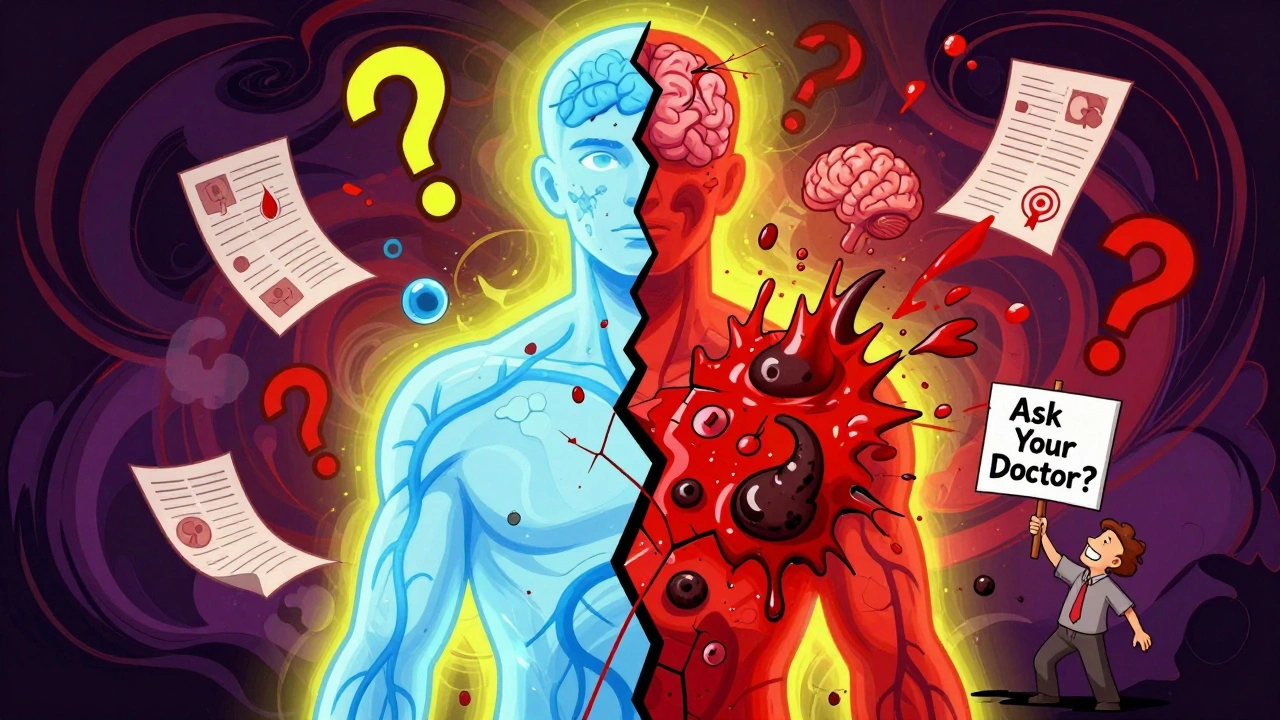
If you’re currently taking aspirin and a blood thinner, don’t stop suddenly. That can trigger a clot. But do talk to your doctor right away. Ask these questions:
- Why was this combination prescribed? Is there solid evidence it’s helping me?
- Can I switch to one drug instead of two?
- What’s my HAS-BLED score? (This tool estimates bleeding risk based on factors like high blood pressure, kidney disease, and age.)
- When was my last hemoglobin test? Low levels mean you might be bleeding slowly without knowing it.
Many patients don’t realize they’re anemic until they feel dizzy or out of breath. A simple blood test can catch hidden bleeding before it becomes an emergency.
Practical Steps to Reduce Risk
If your doctor says you must stay on both, take these steps to lower your chances of bleeding:
- Take aspirin with food-this reduces stomach irritation and lowers GI bleeding risk.
- Use an electric razor instead of a blade to avoid nicks.
- Switch to a soft-bristle toothbrush-gum bleeding is common and often ignored.
- Avoid contact sports and activities with a high fall risk. Even biking without a helmet can be dangerous.
- Know the warning signs: Unexplained bruising, blood in urine or stool, headaches that won’t go away, dizziness, or sudden weakness on one side of the body.
- Get a hemoglobin check every 3-6 months if you’re on this combo. No one should go a year without a blood test.
The NHS and other health agencies stress: if you notice any unusual bleeding, call your doctor immediately. Don’t wait. Don’t assume it’s nothing.
The Bigger Picture: Why This Combo Is Still Common
Despite the evidence, this combination is still prescribed often. Why? Tradition. Fear of missing something. Patients ask for aspirin because they’ve heard it’s good for the heart. Doctors sometimes add it out of caution, not science.
But the data is clear: for most people, the risks outweigh the benefits. The global anticoagulant market is growing fast-projected to hit $66 billion by 2029-but that doesn’t mean more combinations are better. In fact, newer guidelines are pushing back hard. The FDA now requires boxed warnings on NSAID-anticoagulant labels, and major hospitals are revising their protocols.
The future is moving toward personalized care. Researchers are studying genetic tests (like CYP2C9 and VKORC1) to predict how someone will respond to warfarin and aspirin. But for now, the rule is simple: if you don’t have a strong reason to be on both, you shouldn’t be.
What’s Next? Alternatives and New Research
There are better options than doubling up on blood thinners. For example:
- If you have atrial fibrillation and need anticoagulation, you likely don’t need aspirin at all.
- If you’ve had a stent, newer studies show that switching to a single anticoagulant after a few months is safer than staying on aspirin long-term.
- For arthritis pain, acetaminophen is a safer choice than NSAIDs when you’re on a blood thinner.
Research is also looking at new reversal agents that can quickly stop bleeding in emergencies. But prevention is still better than reversal. The goal isn’t to treat bleeding-it’s to avoid it.
Bottom line: Aspirin isn’t a harmless daily pill. When combined with other blood thinners, it turns into a ticking time bomb. The numbers don’t lie. The bleeding risks are real, measurable, and preventable. If you’re on both, talk to your doctor today. Ask for proof it’s helping you. And if there’s no clear answer-consider stopping one.
Can I take aspirin with warfarin?
Taking aspirin with warfarin significantly increases the risk of bleeding, especially in the stomach and brain. This combination is only recommended for specific cases like mechanical heart valves, and even then, it requires close monitoring with regular INR tests and hemoglobin checks. For most people, it’s not worth the risk.
Is it safe to take aspirin with Eliquis or Xarelto?
No, combining aspirin with Eliquis (apixaban) or Xarelto (rivaroxaban) is generally not recommended. Studies show these combinations double the risk of major bleeding. Rivaroxaban, in particular, has the highest bleeding risk when paired with aspirin. Unless you have a very specific condition like recent stent placement, you should avoid this mix.
What should I do if I start bleeding while on both drugs?
Seek medical help immediately. Signs include black or bloody stools, vomiting blood, unexplained bruising, blood in urine, severe headaches, or sudden weakness. Don’t wait to see if it gets better. Bleeding from this combination can become life-threatening within hours.
Can I switch from aspirin to another pain reliever?
Yes, for pain or inflammation, acetaminophen (Tylenol) is the safest choice when you’re on a blood thinner. Avoid NSAIDs like ibuprofen, naproxen, or diclofenac-they also thin the blood and can raise your bleeding risk even higher than aspirin.
Why do doctors still prescribe aspirin with blood thinners?
Some doctors prescribe it out of habit or because they’re following older guidelines. Others think it adds protection for heart patients. But recent evidence shows the risks outweigh benefits for most people. Many hospitals are now changing their protocols to avoid this combo unless absolutely necessary.
Should I stop aspirin if I’m over 60 and healthy?
Yes, if you’re over 60 and don’t have heart disease, stroke, or a stent, you should not take daily aspirin. The U.S. Preventive Services Task Force advises against it because the risk of bleeding-especially brain bleeds-is higher than any potential benefit. For healthy older adults, aspirin does more harm than good.
Kyle Flores
December 7, 2025 AT 14:51Man, I never realized aspirin was a blood thinner. I’ve been taking one daily since my dad had his heart attack, thinking it was just for ‘prevention.’ Now I’m scared to even take Tylenol. Thanks for the wake-up call.
Louis Llaine
December 8, 2025 AT 00:08Wow. So the entire medical industry is just running on autopilot and profit? Of course they keep prescribing this combo-pharma’s got a billion-dollar machine running on ‘just in case.’
Stacy here
December 8, 2025 AT 14:41THEY KNOW. They ALL KNOW. The FDA, the AMA, the hospitals-they’re all in bed with Big Pharma. They don’t want you to know aspirin + anticoagulants = internal bleeding time bomb. Why? Because if you stop taking both, they lose millions. This isn’t medicine-it’s a controlled demolition of your body, one pill at a time. Wake up, sheeple. 🕵️♀️🩸
Nancy Carlsen
December 10, 2025 AT 10:25Thank you for sharing this!! 🙏 I just told my dad (72, no heart issues) to stop his daily aspirin last week-he was so scared but now he feels relieved. We’re switching to turmeric tea and walks. Life’s better without pills we don’t need! 💪🍊
Ernie Blevins
December 10, 2025 AT 18:56So you’re telling me I’ve been dumb for 5 years? Cool. I’m on Eliquis and aspirin. Guess I’m gonna bleed out. Thanks for the heads up, doc.
Kurt Russell
December 12, 2025 AT 04:29Listen-I’m a nurse. I’ve seen the ER after midnight with people bleeding from their GI tract because they took aspirin with Xarelto and thought ‘it’s just a little pill.’ It’s not. It’s a silent killer. Stop listening to internet advice. Talk to your doctor. Get your INR checked. Get your hemoglobin checked. Don’t wait until you’re on a gurney. You’re not invincible. I’ve seen too many cases. Please. Just get tested.
Ashley Farmer
December 13, 2025 AT 02:06I’m so glad this was posted. My mom had a GI bleed last year and they didn’t connect it to her aspirin + warfarin combo until it was too late. She’s okay now, but she’s on a single drug and we’re monitoring her like a hawk. If you’re on both, please-don’t ignore the signs. Black stools? Fatigue? Headaches? Don’t brush it off. Call your doctor. You deserve to be safe.
Jane Quitain
December 14, 2025 AT 11:48OMG I just realized I’ve been taking ibuprofen for my headaches AND my Eliquis… I’m gonna go cancel my next refill right now. Thank you thank you thank you!! 💕