
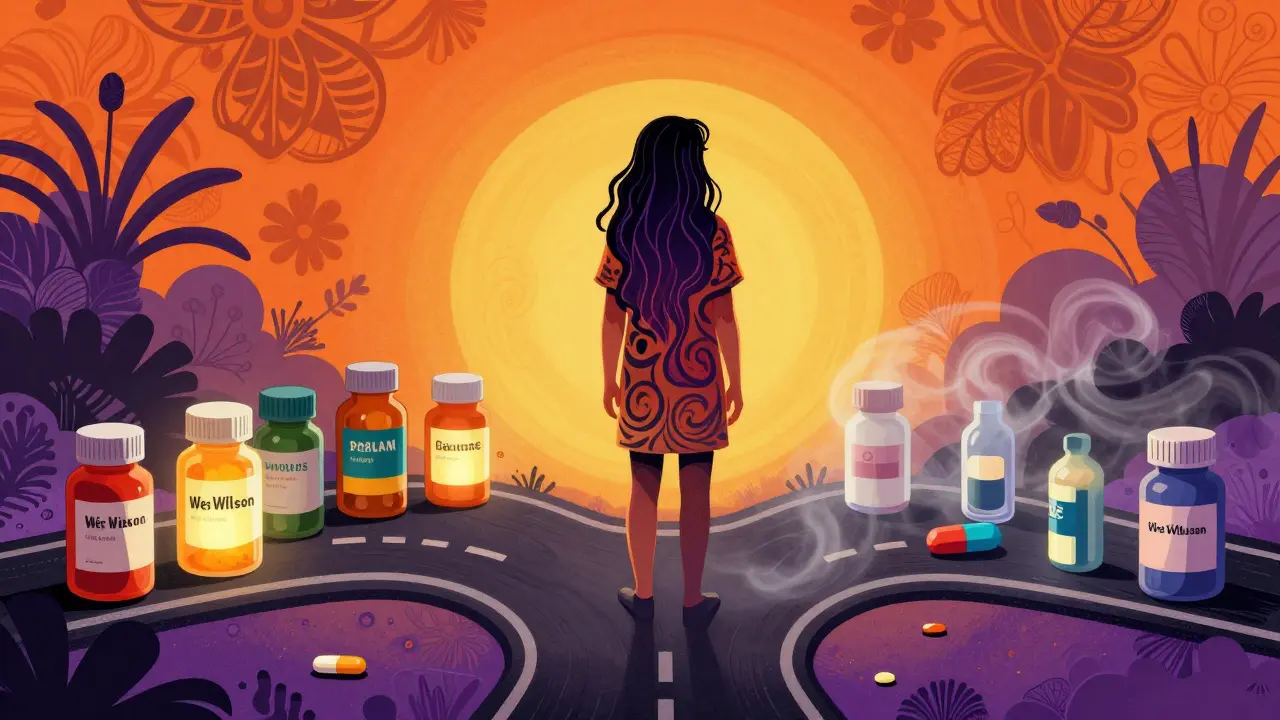
Switching from a brand-name drug to its generic counterpart is supposed to be a seamless swap. You get the same active ingredient, often at a fraction of the cost, and your health remains stable. That’s the promise. But for millions of people managing chronic conditions like epilepsy, heart disease, or diabetes, the reality can feel quite different. You might notice subtle changes in how you feel weeks or even months after the switch. Is it just in your head? Or is there something more complex happening beneath the surface?
The truth is, while generic drugs are rigorously tested for short-term safety, we still have significant gaps in understanding their long-term impact on sustained health. This article cuts through the noise to help you navigate what happens when you stay on a generic medication for years, not just weeks.
What "Bioequivalent" Really Means (And What It Doesn't)
To understand the long-term picture, we first need to look at how Generic Drugs are approved. The gold standard is bioequivalence. In simple terms, this means the generic version delivers the same amount of active ingredient into your bloodstream as the brand-name original within a specific timeframe.
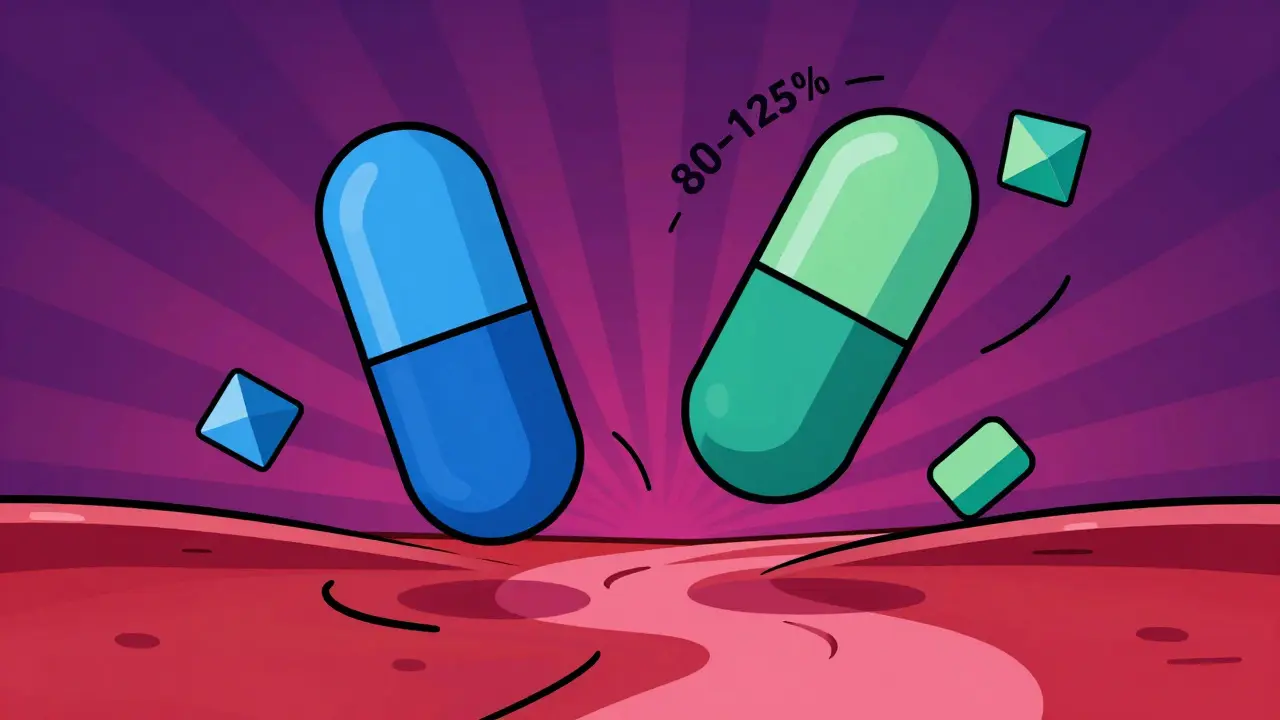
Regulatory bodies like the FDA require that the generic’s performance falls within an 80% to 125% range compared to the brand. If a brand releases 100 units of drug, the generic might release between 80 and 125 units. For most drugs, this variance is negligible. Your body adjusts, and you feel fine.
However, this standard has two major blind spots regarding long-term health:
- Short Study Durations: Bioequivalence studies typically last only 2 to 4 weeks. They tell us if the drugs act the same *now*, but they don’t track what happens over five, ten, or twenty years of continuous use.
- Inactive Ingredients: While the active drug is the same, the fillers, binders, and dyes (inactive ingredients) can differ significantly. These excipients affect how quickly the pill dissolves and how your gut absorbs it. Over decades, these small differences in absorption rates can accumulate, potentially altering therapeutic outcomes for sensitive individuals.
Dr. Jerry Avorn from Harvard Medical School points out that this 80-125% window allows for clinically meaningful differences that may only manifest after years of use, especially in vulnerable populations. So, while the label says "therapeutically equivalent," the long-term biological reality can be more nuanced.
The Chronic Condition Conundrum
If you take medication for an occasional headache, a generic swap is low-risk. But if you’re managing a lifelong condition, the stakes are higher. Long-term follow-up data reveals distinct patterns based on the type of medication.
| Drug Class | Therapeutic Index | Long-term Generic Stability | Key Risk Factor |
|---|---|---|---|
| Statins (Cholesterol) | Wide | High | Adherence issues due to cost savings outweigh clinical risks. |
| Antihypertensives (Blood Pressure) | Moderate | Mixed | Some studies show 8-14% increase in adverse events in the first month post-switch. |
| Antiepileptics (Seizures) | Narrow | Low | Small fluctuations in blood levels can trigger breakthrough seizures. |
| Immunosuppressants (Transplant) | Narrow | Low | Rejection risk increases with manufacturer variability. |
For narrow therapeutic index (NTI) drugs-like those used for epilepsy or organ transplants-the margin for error is tiny. A 2013 study found that changing pill color or shape during a generic switch reduced patient persistence by 35% over 12 months. Why? Because patients often associate the physical appearance of the pill with their stability. When that visual cue changes, anxiety rises, and adherence drops.
Conversely, for wide-index drugs like statins, generics generally perform very well long-term. A 2006 study showed better adherence and an 8% reduction in serious cardiovascular events with generic statins compared to brands. Here, the cost savings keep patients on therapy longer, which directly improves long-term health outcomes.
The Hidden Cost: Adverse Events and Manufacturer Variability
One of the most startling findings in recent research isn’t about the drug molecule itself, but where it’s made. A 2021 study published in JAMA Internal Medicine tracked severe adverse events (hospitalizations, disability, death) and found a geographic disparity. Generic drugs manufactured in India were associated with 27% higher rates of severe adverse events compared to those produced in the United States, particularly among "mature" generics that had been on the market for more than five years.
This doesn’t mean all non-US generics are unsafe. It highlights a critical variable: manufacturing quality control over time. As patents expire and competition heats up, some manufacturers may cut corners on inactive ingredients or process controls to save money. These compromises might pass initial bioequivalence tests but fail under the stress of long-term daily use.
Furthermore, a 2021 investigation by Dr. Corey Nislow at the University of British Columbia identified DNA-damaging contaminants in nearly 40% of tested generic medications. These contaminants, linked to mitochondrial function impairment, pose a theoretical risk for chronic users. While immediate toxicity wasn’t observed, the potential for cumulative cellular damage over 7-10 years remains a significant unknown in current regulatory frameworks.
Psychological Impact and Medication Adherence
Health isn’t just chemistry; it’s psychology. The "nocebo effect"-where negative expectations cause negative symptoms-is powerful in the context of generic switching. If you believe the cheaper pill is inferior, your brain may amplify minor side effects or interpret normal bodily sensations as treatment failure.
A 2020 University of Pittsburgh study surveyed 850 patients and found that 61% reported confusion or concern when their pill’s appearance changed. This anxiety led to a 22% drop in adherence over time. Non-adherence is dangerous. Missing doses because you’re worried about the new generic can lead to worse health outcomes than staying on the brand name would have.
On platforms like PatientsLikeMe, users share stories that validate these concerns. One user documented deteriorating heart rate control after switching to a generic beta-blocker, requiring hospitalization before returning to the brand. Another noted that their well-controlled epilepsy decompensated after three years on a generic. These anecdotal reports, while not scientific proof, highlight real-world experiences that large-scale studies sometimes miss.
Strategies for Sustaining Health Long-Term
You don’t have to choose between financial ruin and health anxiety. With the right approach, you can sustain your health while benefiting from lower costs. Here is a practical protocol based on recommendations from the Agency for Healthcare Research and Quality (AHRQ) and expert consensus.
- Establish a Baseline: Before switching, ensure your condition has been stable for at least six months. Document your current symptoms, lab results, and any side effects. This gives you a concrete reference point.
- Request Consistent Sourcing: Ask your pharmacist to source from a single generic manufacturer whenever possible. Frequent switches between different generic makers (which happen often due to pharmacy benefit manager formulary changes) disrupt stability. A 2018 American Heart Association statement noted that three or more manufacturer switches in 12 months increased adverse events by 40%.
- Monitor Closely for 3 Months: After the switch, schedule follow-up appointments or home monitoring checks at 1, 2, and 3 months. Look for subtle changes: slight shifts in blood pressure readings, new headaches, or changes in mood.
- Track Manufacturer Names: Don’t just write "generic metformin" in your notes. Write "Mylan Metformin" or "Teva Metformin." If you experience issues, knowing the specific manufacturer helps your doctor decide whether to switch to a different generic or return to the brand.
- Advocate for NTI Drugs: If you take narrow therapeutic index drugs (anticonvulsants, thyroid meds, immunosuppressants), discuss with your doctor whether a "dispense as written" (DAW) code is appropriate to prevent automatic substitution.

Regulatory Shifts and Future Outlook
The landscape is evolving. Recognizing these long-term gaps, the FDA introduced the Generic Drug User Fee Amendments (GDUFA III) in 2021, allocating $150 million specifically for post-market monitoring. New requirements now mandate 5-year stability data for certain generics, moving beyond the previous 24-month standard.
In Europe, the European Commission mandated country-specific post-authorization safety studies for generics with over 1 million patient-years of use. Germany has restricted automatic substitution for NTI drugs entirely. These moves suggest that regulators are finally catching up to the complexity of long-term generic use.
By 2025, proposals to redefine "therapeutic equivalence" to include 24-month clinical outcome data for chronic diseases are under consideration. This could fundamentally change how generics are evaluated, shifting focus from short-term bioequivalence to long-term patient outcomes.
Frequently Asked Questions
Is it safe to switch back to the brand-name drug if I feel worse on the generic?
Yes, it is generally safe to switch back, though you should consult your doctor first. Some insurance plans may require prior authorization or a higher copay for brand-name drugs. However, if your health is deteriorating, the clinical benefit of stability often outweighs the cost difference. Document your symptoms clearly to support your request.
Why do some generic pills look different from the brand?
Brand-name companies hold trademarks on the color, shape, and imprint of their pills. Generic manufacturers must use different appearances to avoid trademark infringement. They also use different inactive ingredients (fillers, binders, dyes) which can alter the pill's size and color. These differences do not affect the active drug content but can impact absorption speed and patient perception.
Are generic drugs made with lower quality standards?
Legally, no. All generic drugs must meet the same strict FDA standards for identity, strength, quality, and purity as brand-name drugs. However, manufacturing processes and quality control systems vary between companies. Recent studies suggest that long-term consistency may vary depending on the manufacturer's origin and age of the product, leading to debates about enhanced post-market surveillance.
What is a "Narrow Therapeutic Index" drug?
A Narrow Therapeutic Index (NTI) drug is one where a small change in blood concentration can lead to treatment failure or serious side effects. Examples include warfarin (blood thinner), levothyroxine (thyroid), and phenytoin (seizures). For these drugs, maintaining consistent blood levels is critical, making them more sensitive to variations between different generic manufacturers.
How long should I monitor my health after switching to a generic?
Experts recommend close monitoring for at least 3 months after the initial switch. This period allows your body to adjust to any minor differences in absorption. For chronic conditions, continue regular check-ups and lab work as scheduled. If you experience any new or worsening symptoms, contact your healthcare provider immediately rather than waiting for your next appointment.
Can I ask my pharmacy to stick to one generic manufacturer?
You can request it, but pharmacies may not always be able to guarantee it. Pharmacies order drugs in bulk based on price and availability, which can change frequently due to contracts with Pharmacy Benefit Managers (PBMs). However, for NTI drugs, you can ask your doctor to write "Dispense as Written" (DAW) on the prescription to prevent automatic substitution, ensuring you get the specific product prescribed.
Do generic drugs save money in the long run despite potential side effects?
Generally, yes. Studies show that generic substitution saved the U.S. healthcare system $1.67 trillion between 2008 and 2017. While some individuals may experience adverse events or reduced adherence, the vast majority tolerate generics well. The significant cost reduction allows more people to afford necessary treatments, which improves overall population health outcomes. However, individual cases vary, and personal health stability should always be prioritized.