

Every year, millions of unused or expired pills sit in bathroom cabinets, kitchen drawers, and medicine chests across the country. Many people don’t know what to do with them-so they flush them, toss them in the trash, or just leave them there. But that’s not safe. Not for your kids, not for the environment, and not for your community. The best way to get rid of old or unwanted medications? A drug take-back program.
What Exactly Is a Drug Take-Back Program?
A drug take-back program is a simple, safe, and legal way to drop off unused or expired medicines so they can be destroyed properly. These programs are run by pharmacies, hospitals, police stations, and sometimes even community centers. They accept things like prescription pills, over-the-counter drugs, patches, ointments, and even pet medications. The goal? Keep dangerous drugs out of the wrong hands and prevent them from polluting water supplies. These programs started gaining real momentum after the Secure and Responsible Drug Disposal Act of 2010 gave the DEA the power to set up permanent drop-off locations. Before that, most people didn’t have a legal way to dispose of meds safely. Now, there are more than 16,500 permanent collection sites across the U.S., and they’re open year-round-not just on special days.How Do These Programs Work?
There are three main ways to use a drug take-back program:- Permanent drop boxes: These are locked, secure bins usually found inside pharmacies, hospitals, or police stations. You walk in, hand over your meds, and leave. No questions asked. They’re open every day, even weekends and holidays.
- Mail-back envelopes: Some states and pharmacies offer prepaid envelopes you can use to mail your old meds to a destruction facility. You just seal them up, drop them in the mailbox, and they’re gone.
- One-day collection events: The DEA runs National Prescription Drug Take Back Day twice a year-in April and October. On those days, hundreds of locations open up to collect meds. But these are temporary. Permanent drop boxes are more effective in the long run.
Once collected, all medications are transported to special facilities and destroyed by high-temperature incineration. This means they don’t end up in landfills, rivers, or sewage systems. Flushing meds or throwing them in the trash can lead to water contamination-and even trace amounts of drugs in drinking water are a growing concern.
What Can You Drop Off?
Not everything goes in the drop box. Here’s what’s accepted:- Prescription pills and liquids
- Over-the-counter medicines (like ibuprofen or allergy pills)
- Pain patches (like fentanyl or nicotine patches)
- Topical ointments and creams
- Vitamins and supplements
- Pet medications
What’s not allowed? Anything that’s pressurized, liquid, or flammable. That means no:
- Asthma inhalers
- Aerosol cans
- Hydrogen peroxide
- Thermometers (especially mercury ones)
- Alcohol or illegal drugs
If you’re unsure, check the DEA’s website or call the location ahead of time. Most sites will tell you exactly what they accept.
How to Prepare Your Medications
You don’t need to empty your pill bottles. In fact, it’s better if you don’t.- Keep medications in their original containers if you can.
- If the label is worn or missing, put them in a sealed plastic bag.
- Remove or black out your name and prescription number on the label-this protects your privacy.
- Don’t mix different pills together. Keep them separate.
Why? Because if the container has your name on it, someone could try to misuse it. And if pills are loose in a bag, they might get mixed up or spilled. Keeping them in their original packaging helps staff sort and track what’s being collected.

Where to Find a Drop-Off Location
The easiest way to find a nearby collection site is to use the DEA’s official website. Just type in your zip code, and it shows you every permanent drop box within 20 miles. You’ll see pharmacies like Walgreens, CVS, and local hospitals listed-with hours and addresses.Walgreens alone has over 1,600 drop boxes in 49 states. CVS has more than 1,200. Many police departments also have secure bins in their lobbies. In Bristol, for example, the local pharmacy on Park Street and the city’s main police station both have year-round drop boxes.
If you live in a rural area, drop boxes might be harder to find. That’s where mail-back programs come in. Some states send free envelopes to residents. Others partner with pharmacies to mail them out. Check your state’s health department website to see if you qualify.
Why This Matters More Than You Think
Every year, over 100,000 Americans die from drug overdoses. Many of those involve prescription pills that were never properly disposed of. Teens often find old meds in their parents’ medicine cabinets. Grandparents accidentally take the wrong pill. Pets get into leftover painkillers. Take-back programs directly reduce those risks. In communities with permanent drop boxes, unintentional poisonings have dropped by 17%. Prescription drug misuse among teens has fallen by 19% in places where these programs have been around for three years or more. And it’s not just about safety. Flushing meds pollutes rivers and lakes. Studies have found traces of antidepressants, antibiotics, and hormones in drinking water. Incineration at approved facilities prevents that.What If There’s No Drop Box Near You?
If you can’t find a collection site within 5 miles, you’re not alone. Nearly 40% of Americans live too far from a permanent drop box. The FDA says you should still avoid flushing or tossing meds-unless they’re on the “flush list.”Only about 15 specific drugs are safe to flush because they’re so dangerous if misused-like fentanyl patches or certain opioid painkillers. You can find that list on the FDA’s website.
For everything else, here’s what to do:
- Take pills out of their original containers.
- Crush them into powder or dissolve them in water.
- Mix them with something unappetizing-used coffee grounds, kitty litter, or dirt.
- Put the mixture in a sealed plastic bag or container.
- Throw it in the trash.
This makes the meds unappealing and hard to recover. It’s not ideal, but it’s better than leaving them out in the open.
Why Pharmacies Are the Best Option
Studies show that drop boxes located in pharmacies have 41% higher participation than those run by police departments. Why? People trust pharmacies. They don’t feel judged. They don’t worry about being questioned. Police-run events can scare off people who’ve had bad experiences with law enforcement. Pharmacies? You’re just picking up your next prescription. Dropping off old meds feels like part of the routine. Plus, pharmacists know the rules. They’ve been trained on what can and can’t be accepted. And they’re open during hours that work for working parents, seniors, and shift workers.What’s Changing in 2025?
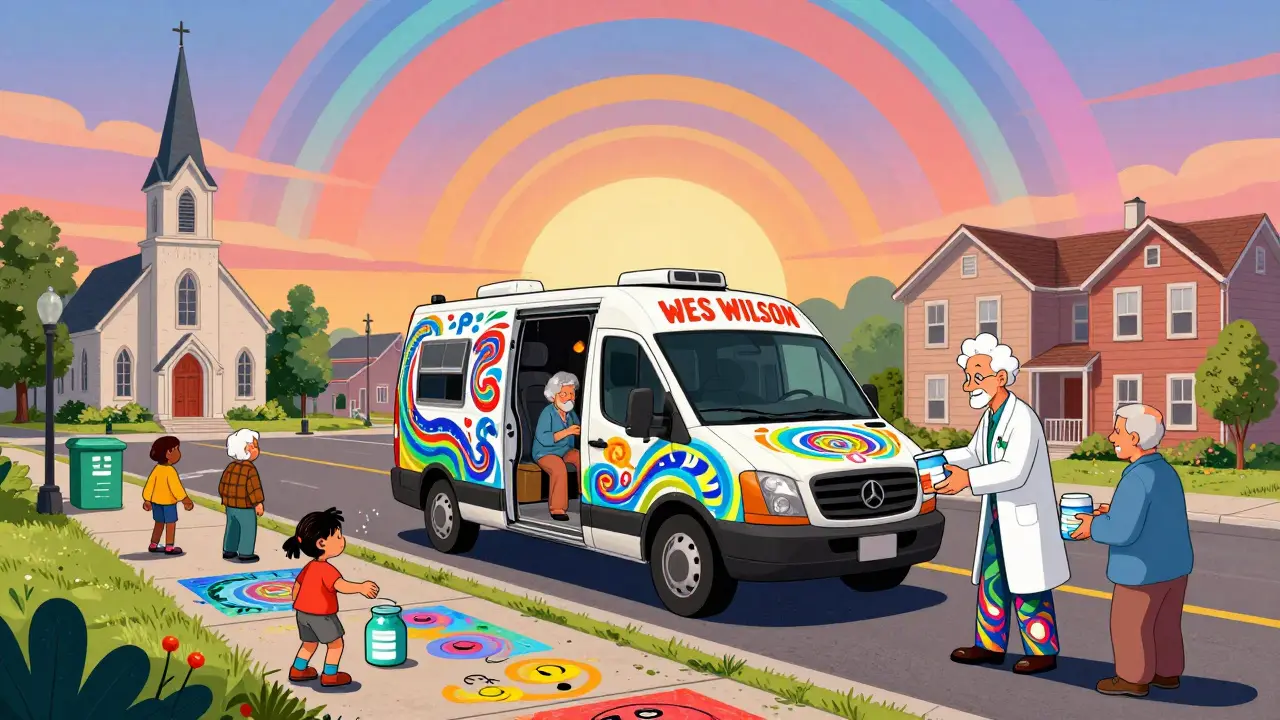
The push for year-round access is working. In 2020, there were about 5,000 permanent drop boxes. By 2025, that number jumped to over 16,500. That’s a 230% increase. New legislation is also being considered. H.R. 4278, introduced in 2023, would require Medicare Part D plans to cover the cost of mail-back envelopes for seniors. That could help 48 million older Americans dispose of meds safely without leaving home. Mobile collection units are also popping up. In Broward County, Florida, a van visits community centers, churches, and senior housing every week. Participation jumped 73% compared to fixed drop boxes.What’s Still Holding These Programs Back?
Despite progress, challenges remain. Only 28% of Americans know permanent drop boxes exist. Many still think flushing is fine. Rural areas still have far fewer sites-just 42% of the density found in cities. Funding is another big issue. Each drop box costs between $1,200 and $2,500 to install. Local governments and pharmacies often pay out of pocket. Some programs shut down because they can’t afford to keep them stocked or maintained. Experts say the solution is simple: integrate these programs into existing healthcare systems. Hospitals, clinics, and pharmacies should all be required to offer disposal as part of their services. That could cut costs by 35% and make access universal.What You Can Do Today
You don’t need to wait for a government program to fix this. You can act now:- Check your medicine cabinet. Collect all expired or unused pills.
- Use the DEA’s website to find your nearest drop box.
- Take them there this week. No appointment needed.
- Tell your family, friends, and neighbors. Many don’t know this option exists.
- If you’re a pharmacist or community leader, push for a permanent drop box in your area.
One person dropping off a few old pills won’t change the world. But if 100 people do it? That’s 100 fewer pills floating in our water. 100 fewer chances for a kid to find something dangerous. 100 fewer risks of overdose.
It’s simple. It’s safe. And it’s available right now-no waiting, no cost, no hassle.
Gray Dedoiko
December 25, 2025 AT 08:05Just dropped off a whole shoebox of old prescriptions at my local CVS yesterday. No questions asked, no judgment. Feels good to know they’re not going to end up in someone’s kid’s medicine cabinet or the river. Simple act, big impact.
Andrea Di Candia
December 26, 2025 AT 09:03It’s wild how something so small-like cleaning out your cabinet-can ripple out to save lives. I used to think flushing was fine until I read about antidepressants in drinking water. Now I tell everyone I know. We don’t need legislation to start doing the right thing. We just need to remember we’re all in this together.
Sidra Khan
December 27, 2025 AT 22:38Yeah right. Like the government actually cares about your old pills. Next they’ll tell us they’re worried about our pets.
claire davies
December 29, 2025 AT 11:12I love how this post doesn’t just hand you facts-it gives you a quiet nudge toward decency. In the UK, we’ve got pharmacy take-backs too, but not nearly enough people use them. I’ve started leaving little flyers in my building’s lobby: ‘Your expired Tylenol doesn’t belong in the sink. It belongs in a drop box.’ Small things, right? But they stick.
Charles Barry
December 30, 2025 AT 00:53Of course they want you to drop them off. What they’re really doing is collecting data. Every pill you hand in? Tracked. Tagged. Logged. Next thing you know, your prescription history is being sold to Big Pharma for ‘behavioral profiling.’ They don’t care about safety-they care about control.
Bartholomew Henry Allen
December 31, 2025 AT 19:03These programs are a waste of taxpayer money. We don’t need government-run collection bins. If you want to get rid of pills, burn them in your backyard. That’s what Americans used to do before they turned everything into a bureaucratic circus.
CHETAN MANDLECHA
January 1, 2026 AT 01:27Interesting. In India we just throw them away or give to street vendors who resell. No system. But I see your point. Maybe we need something similar here. Not sure if people would trust it though.
Rachel Cericola
January 1, 2026 AT 05:30For anyone wondering how to find a drop box: go to dea.gov/diversion, type in your zip code, and boom-you’ll see Walgreens, CVS, and even your local police station listed with hours. I’ve been doing this for three years. My mom started too. Now her whole book club does it. It’s not hard. It’s just about awareness.
Ajay Sangani
January 1, 2026 AT 14:42im wonderin if the incineration releases toxins too… like… are we just swapping one problem for another? maybe we should be designing meds that biodegrade? like… plants dont need to be disposed of… why do pills have to be so… permanent?
Ademola Madehin
January 3, 2026 AT 07:22My uncle died from an overdose from his own meds. He didn’t even know he was taking the wrong one. I found 17 bottles in his closet. I cried for a week. Now I clean out my whole cabinet every year. Don’t wait till it’s too late. Just do it.
Jeffrey Frye
January 3, 2026 AT 19:14so like… the DEA runs these? funny how they’re the ones who also make it hard to get painkillers. kinda sus if you ask me. why not just let people keep em? maybe they need em?
John Pearce CP
January 4, 2026 AT 19:19While the sentiment is commendable, the structural reliance on private pharmacies as de facto federal agents is an abdication of public responsibility. The state must fund and operate centralized disposal infrastructure-not outsource moral duty to corporate retail.
Rosemary O'Shea
January 6, 2026 AT 00:29Oh please. The fact that you’re proud of dropping off pills like it’s some kind of virtue signaling achievement is exhausting. Meanwhile, people are dying from synthetic opioids you wouldn’t even recognize. This is theater. Not a solution.
Harsh Khandelwal
January 6, 2026 AT 19:05they’re just using this to track who’s taking what. next thing you know, your insurance will raise your rates because you ‘abused’ 3 bottles of ibuprofen in 2023. it’s all a scam. they want you to feel guilty so you’ll pay more for ‘safe’ meds.
Adarsh Dubey
January 6, 2026 AT 21:56Good post. I think the real win here is making this feel normal. Not heroic. Not political. Just like returning a library book. If we can make disposal as routine as recycling, we win. No drama. Just responsibility.