
Walking up to a pharmacy counter and realizing your prescription costs three times more than you expected is a gut-punch. Many people simply pay the price or, worse, leave the medication behind because they can't afford it. But here is a reality check: for the vast majority of medications, you don't have to pay a premium for a fancy brand name to get the same clinical result. Whether you are managing a long-term condition or starting a new treatment, switching to generic alternatives can save you thousands of dollars a year without compromising your health.
The trick is that the conversation needs to happen before you leave the doctor's office. While pharmacists can often swap drugs automatically, having your doctor's explicit support ensures you're getting the right version for your specific medical needs. Here is how to navigate that conversation and the facts you need to feel confident about making the switch.
What Exactly is a Generic Drug?
To talk to your doctor effectively, you first need to understand what you're actually asking for. A Generic Drug is a medication created to be the same as an already marketed brand-name drug in dosage form, strength, route of administration, quality, performance characteristics, and intended use.
Think of it like buying store-brand cereal versus the name brand. The packaging looks different, and the shape of the flakes might vary, but the nutritional value is the same. The FDA (Food and Drug Administration) requires generics to prove bioequivalence. This means the active ingredient must reach the same concentration in your bloodstream within the same timeframe as the original. In fact, the acceptable variation is strictly limited to 80-125% of the brand-name drug's performance, ensuring that the therapeutic effect remains identical.
Why is there such a price gap? Brand-name companies spend billions on research, development, and marketing. Once their patent expires-usually around 17 years after filing-other companies can produce the same formula. Because these generic manufacturers don't have to repeat the original clinical trials, they can sell the drug for a fraction of the cost. When multiple companies enter the market, prices often plummet 50% to 95% below the original cost.
When to Be Cautious: The "Narrow Therapeutic Index"
For about 95% of drugs, the switch is seamless. However, there is a small category of medications where you should be more careful. These are called Narrow Therapeutic Index (NTI) drugs. These are medications where a very tiny difference in the dose or blood concentration can lead to a significant change in how the drug works or cause dangerous side effects.
Common examples of NTI drugs include certain blood thinners like Warfarin, some thyroid medications (like levothyroxine), and specific antiseizure medicines. For these specific drugs, consistency is key. If you switch between different generic manufacturers, you might experience fluctuations in your levels. This is the only time a doctor might legitimately insist on a brand-name version or a specific manufacturer to ensure your safety.
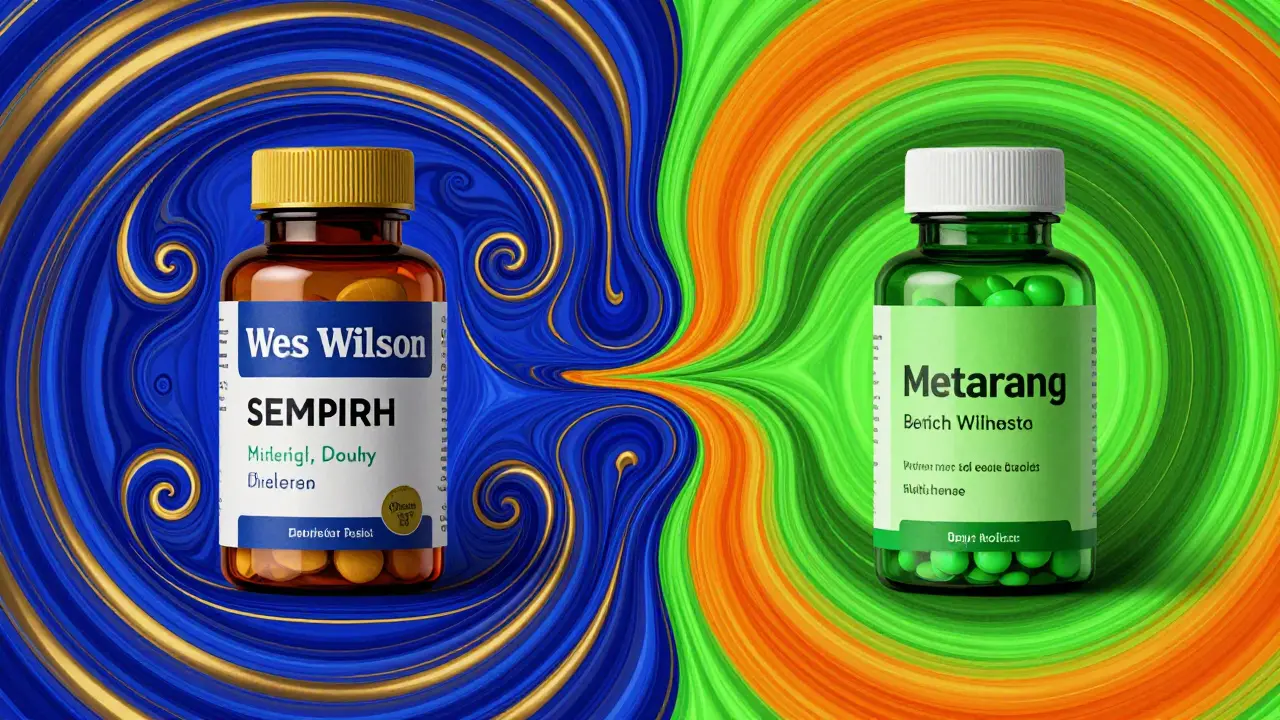
| Feature | Brand-Name Drug | Generic Alternative |
|---|---|---|
| Active Ingredient | Same | Same |
| Clinical Effect | Standard | Equivalent (Bioequivalent) |
| Inactive Ingredients (Fillers/Dyes) | Specific to brand | Can vary by manufacturer |
| Appearance (Color/Shape) | Unique | Often different |
| Cost | Higher (Patent protected) | Significantly Lower |
The Conversation: What to Actually Say
Many doctors are incredibly busy and might default to a brand-name drug simply because it's what they are most familiar with or what the pharmaceutical rep just showed them. To get the best result, don't just ask "Can I have the generic?" Instead, frame the conversation around shared decision-making.
Try these specific phrases during your appointment:
- The Direct Approach: "I want the most effective medication at the best possible price. Can we use a generic version for this prescription?"
- The Collaborative Approach: "I'm happy to work with you to find medications that meet my health needs but aren't necessarily the most expensive brand-name options. Is there a generic equivalent available for this?"
- The Clarification: If the doctor says no, ask: "Is this a narrow therapeutic index drug where the brand name is medically necessary, or is there another reason we should avoid the generic?"
By focusing on "efficacy + price," you aren't just asking for a cheaper drug; you're asking for the most efficient healthcare solution. It transforms the request from a budget concern into a clinical strategy.
Step-by-Step Strategy for Switching
Switching medications isn't always as simple as a one-sentence request. To ensure you actually save money and stay healthy, follow this workflow:
- Review Your Current List: Before your appointment, list all your current medications. Check if they are brands or generics.
- Prepare a Cost Comparison: If you can, look up the price difference. For example, some common heartburn medications can cost over $200 for the brand name but only a few dollars for the generic version. Bringing this data to the doctor makes the need for a switch concrete.
- Request a "Substitution Allowed" Prescription: Ask your doctor to write the prescription in a way that allows the pharmacist to substitute a generic if appropriate. This prevents the pharmacist from having to call the doctor back, which can delay your medication by days.
- Verify with Your Insurance: Check your formulary. Some insurance plans (like certain Medicare Part D plans) have much higher substitution rates than private commercial plans. Know what your plan covers so you can tell your doctor, "My insurance prefers the generic version of this drug."
- Monitor Your Response: When you start the generic, keep a simple log of how you feel. While the active ingredient is the same, a different dye or filler in the generic version can occasionally cause a mild reaction for sensitive patients.

Dealing with Common Concerns
You might have heard that generics are "lower quality" or "not as strong." This is a persistent myth. The evidence is overwhelming that they are therapeutically equivalent. In a massive analysis of patient reviews on platforms like Drugs.com, nearly 80% of people who switched from brands to generics for common blood pressure or antidepressant medications reported identical effectiveness.
If you feel a difference after switching, it is rarely because the drug is "weaker." It's more likely due to the excipients-the inactive ingredients used to bind the pill together. If you develop a rash or a stomach ache that wasn't there with the brand name, tell your doctor. They can often switch you to a different generic manufacturer that uses different fillers, giving you the cost savings without the side effects.
Are generic drugs as safe as brand-name drugs?
Yes. The FDA requires generic drugs to have the same active ingredients, strength, and dosage form as the brand-name version. They must also prove bioequivalence, meaning they work in the body the same way and provide the same clinical benefit. They are held to the same rigorous manufacturing standards as brand-name products.
Why would a doctor insist on a brand-name drug?
The most common medical reason is if the drug is a "narrow therapeutic index" medication, where tiny variations in blood levels can be dangerous. Other reasons might include a patient's known allergy to a specific filler used in all available generic versions, or if a brand-new drug is so recent that a generic hasn't been approved yet.
Can my pharmacist switch my brand-name drug to a generic?
In most states, pharmacists are permitted to substitute a generic for a brand-name drug unless the doctor explicitly writes "Do Not Substitute" (DNS) on the prescription. However, it is always better to discuss this with your doctor first to ensure the switch is appropriate for your specific health profile.
Will my insurance cover the generic version?
Usually, yes. In fact, most insurance companies prefer generics and may offer a lower co-pay for them. Some plans may even refuse to cover a brand-name drug if a generic alternative is available and therapeutically equivalent.
What if I can't afford my medication and there is no generic yet?
If a generic isn't available, ask your doctor about "therapeutic alternatives." This means a different drug in the same class that might have a cheaper generic available. Additionally, many pharmaceutical companies offer patient assistance programs (PAPs) to provide brand-name drugs at a discount or for free to low-income patients.
Next Steps for Your Health and Wallet
If you've already left your last appointment, you aren't out of options. You can call your doctor's office and ask them to send an updated prescription to your pharmacy that allows for generic substitution. If you are currently on a medication and feel it's too expensive, start by checking the FDA Orange Book-the official database of approved drug products-to see if a generic version has recently hit the market.
For those on complex medications like injectables or inhalers, keep an eye on news regarding the Generic Drug User Fee Amendments (GDUFA). The FDA is working to accelerate the approval of these more complex generics, meaning more high-cost medications will likely become affordable in the next couple of years.
dallia alaba
April 20, 2026 AT 03:47It's really important to mention that the 'substitution allowed' part is a huge time saver. I've seen so many patients wait three days for a callback just because the doctor checked a 'Dispense as Written' box by habit. Also, for those in the US, using apps like GoodRx can sometimes make a generic even cheaper than your insurance copay, which is a total game changer for people without comprehensive coverage. Just a heads up to always compare the app price with the pharmacy counter price before sliding your card.
Olushola Adedoyin
April 20, 2026 AT 16:55Who knows what's actually in those fillers! They tell us it's the same but it's just a way for Big Pharma to keep us in a loop of dependency while they shave off the costs. Pure madness!
Lesley Wimbush
April 22, 2026 AT 12:12I mean, obviously, anyone with a shred of medical literacy knows this, but it's cute that we're explaining it to the masses. Some people actually think the color of the pill changes the efficacy, which is just precious.
Bob Collins
April 23, 2026 AT 04:19Fair point about the fillers. Just keep it steady and don't panic if the pill is blue instead of white.
Tanya Rogers
April 23, 2026 AT 17:30The reductionist approach to bioequivalence is quaint. One ignores the nuanced pharmacological impact of various excipients on the absorption rate in sensitive populations. To suggest a mere 80-125% variance is 'identical' is a linguistic stretch that only a layman would accept without a smirk.
julya tassi
April 24, 2026 AT 19:37I've actually had a bad reaction to a generic filler before! 😵 It was so weird because the brand name was fine. Glad this mentioned that it's not the active ingredient causing it. 😊
Cynthia Didion
April 24, 2026 AT 22:27American healthcare is a joke. We have the best labs but the worst pricing.
Aman Tomar
April 26, 2026 AT 21:05This is so helpfull!! I always get confused with the names and costs... sometimes the chemist tells me one thing and the doc another. Its very stressful to manage chronic illness when the money is tight. I will try to use the direct approach next time I go to the clinic. Thnx for sharing this info.
Truman Media
April 28, 2026 AT 09:28It is a blessing to find ways to save money while staying healthy. 🌟 We should all help each other find the path to wellness without breaking the bank. Peace to all! 🙏
William Young
April 29, 2026 AT 19:15The advice on checking the formulary is solid. It saves everyone a lot of frustration at the pharmacy window.
Venkatesh Venky
April 30, 2026 AT 09:28Totally agree! Just need to optimize the ROI on our health spend. Use the generic API and keep the blood pressure steady. Let's go!
Charlotte Boychuk
May 1, 2026 AT 07:40Honestly, the whole pharmacy experience is just such a vibe kill. Who wants to stand in a sterile white room for twenty minutes just to be told their insurance is acting up again?
It's a total nightmare. But yeah, switching to generics is a total lifesaver for the wallet. I once paid a fortune for a brand name just because I was too shy to ask for the cheap version-absolute rookie mistake. Now I just march in there and demand the budget-friendly stuff. It's like buying the store-brand chips, they taste the same and they do the job. No need to pay for a fancy logo on a pill bottle. Just keep it real and keep your cash in your pocket. Life is way too short to be stressed about copays when a perfectly good alternative exists. I've told all my friends to do the same because it's just common sense. Plus, the doctors usually don't even care, they just go with the flow of whatever the rep told them. It's wild how much of our health is just based on who gave the doctor a free lunch. Anyway, just be your own advocate and don't let the system bleed you dry. Stay groovy and save those pennies!