
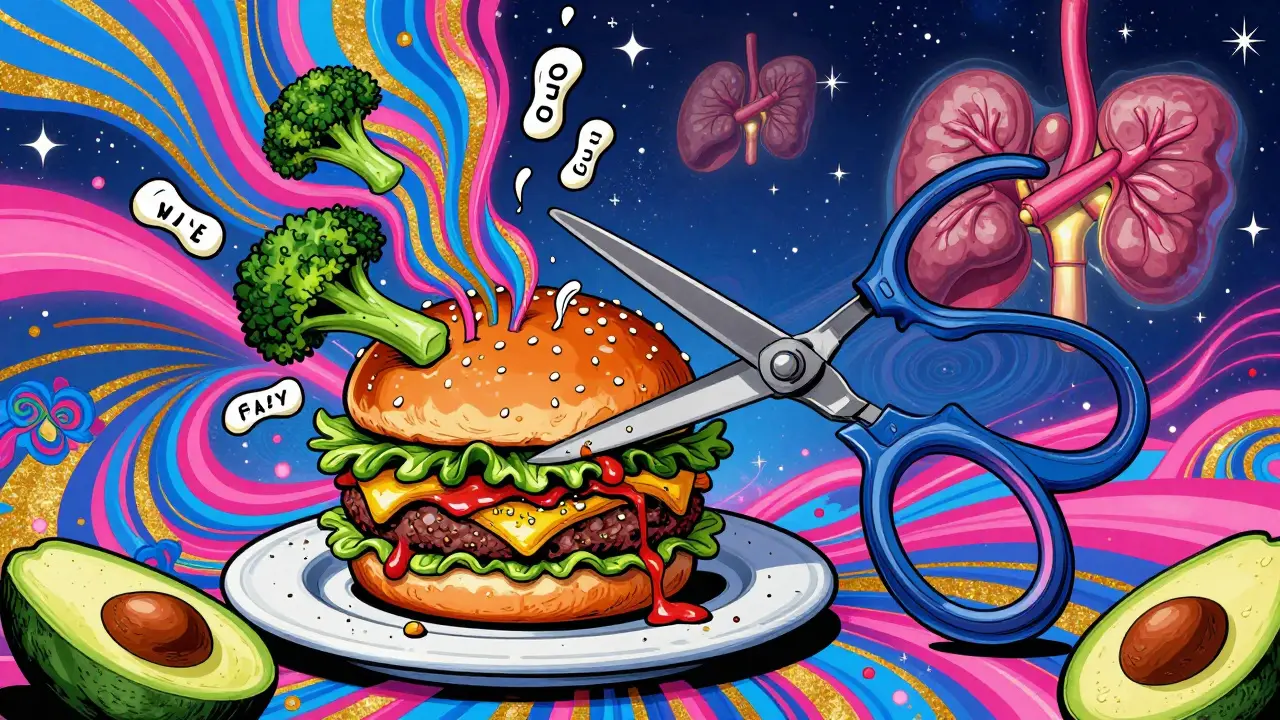
Ever eaten a big meal and felt like your stomach is just... stuck? Bloating, gas, or fatty stools after dinner aren’t just annoying-they might be signs your body isn’t making enough digestive enzymes. These proteins are your body’s natural tools for breaking down food. Without them, nutrients slip through undigested, and discomfort follows.
What Are Digestive Enzymes, Really?
Your body makes enzymes every day-mostly in the pancreas. Think of them as molecular scissors. Digestive enzymes cut proteins into amino acids, carbs into sugars, and fats into fatty acids so your gut can absorb them. A healthy pancreas churns out 800-1,500 mL of pancreatic juice daily, packed with amylase, protease, and lipase. But when that system slows down, problems start.
Exocrine pancreatic insufficiency (EPI) affects 1-5% of the general population, but jumps to 80-90% in people with pancreatic cancer or chronic pancreatitis. That’s not rare. It’s underdiagnosed. Symptoms? Greasy, floating stools, unexplained weight loss, and constant bloating. These aren’t just "bad digestion." They’re signs your body can’t process food properly.
Prescription vs. Over-the-Counter Enzymes
Not all enzyme supplements are the same. There are two main types: prescription pancreatic enzyme replacement therapy (PERT) and over-the-counter (OTC) blends.
Prescription PERT products like Creon, Zenpep, and Pancreaze are FDA-approved drugs. They’re made from pig pancreas, coated to survive stomach acid, and contain precise doses-usually 10,000 to 40,000 lipase units per capsule. These are the gold standard for EPI. Studies show they reduce fatty stools by 70-85% in patients who take them correctly.
OTC enzymes? They’re sold as dietary supplements. Brands like Digestive Gold or NOW Foods Super Enzymes often use microbial sources (like Aspergillus oryzae) and contain lower, inconsistent doses. Many lack enteric coating, meaning stomach acid kills them before they reach the small intestine. A 2019 analysis found 20-30% batch-to-batch variation in enzyme content. ConsumerLab testing showed 15-25% of OTC products contain less than 80% of what’s on the label.
Cost matters too. Prescription PERT can run $100-$300 a month, but insurance often covers 70-90%. OTC versions cost $25-$40 monthly-and you get what you pay for. For true EPI, OTC enzymes simply don’t cut it.
When Do Enzymes Actually Help?
Enzymes aren’t magic pills for every stomach ache. They work best when your body isn’t making enough.
- EPI: Prescription PERT is the only proven solution. If you’ve been diagnosed with chronic pancreatitis, cystic fibrosis, or had pancreatic surgery, you need this.
- Lactose intolerance: Lactase enzyme supplements like Lactaid work well. About 82% of users report being able to eat dairy without symptoms.
- IBS: For bloating, gas, or diarrhea after high-FODMAP meals, some OTC enzymes help. A 2021 meta-analysis found 50-60% symptom reduction in IBS patients using enzyme blends. But results vary. Many stop after 3 months because they don’t feel much difference.
- General bloating after beans or broccoli: Some people swear by OTC enzymes for these foods. Reviews on Amazon show 63% of users report less gas after eating cruciferous veggies.
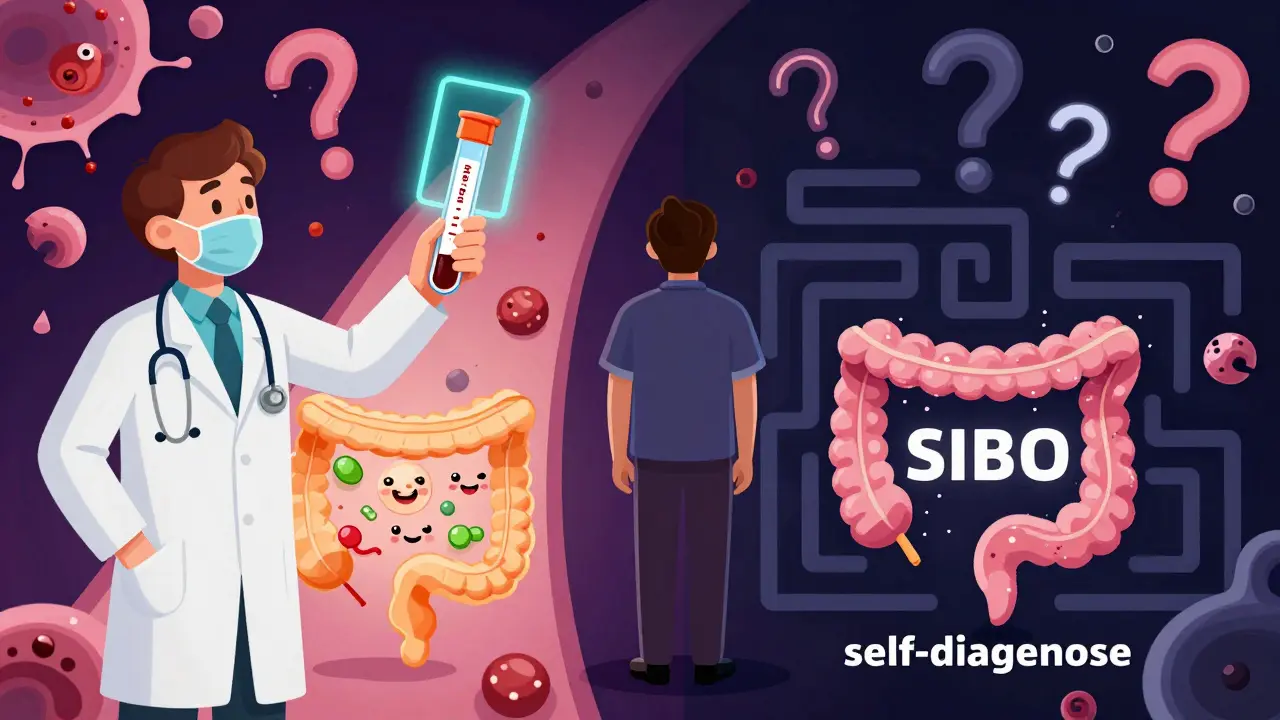
But here’s the catch: if you have small intestinal bacterial overgrowth (SIBO), enzymes can make things worse. They feed the overgrown bacteria, increasing gas and bloating. That’s why self-treating without a diagnosis is risky.
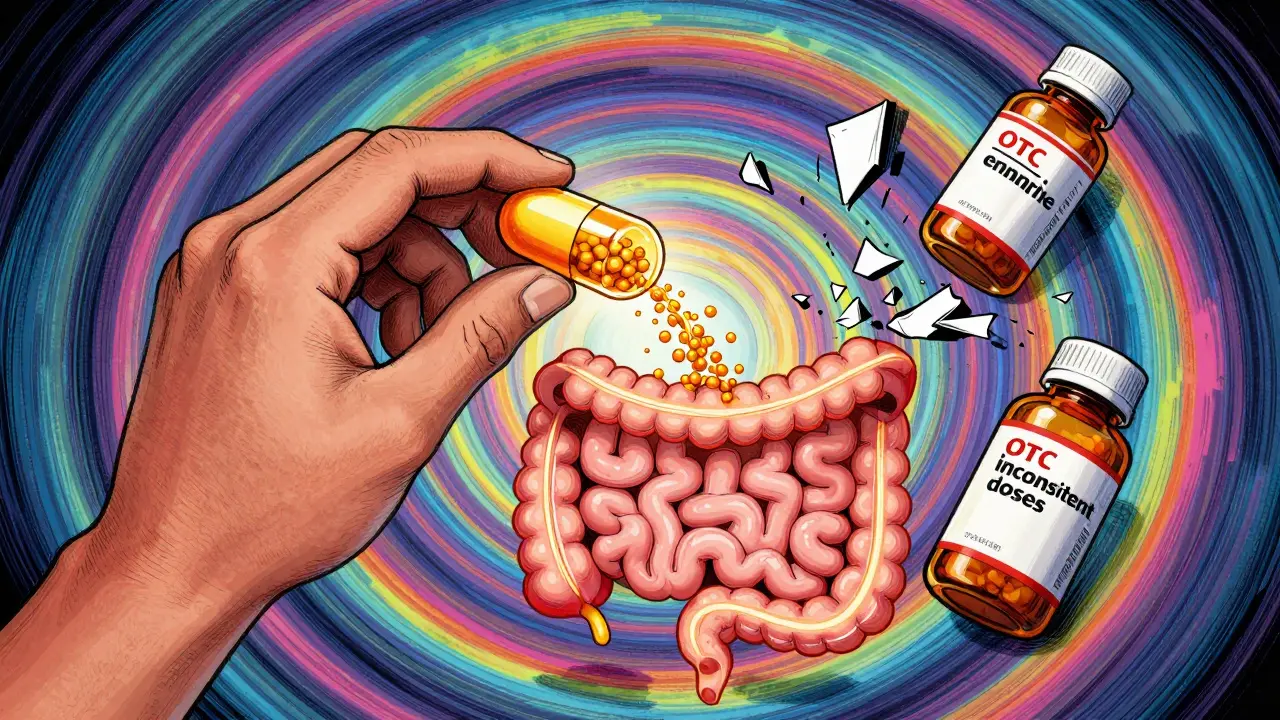
How to Take Them Right
Taking enzymes wrong is like using a key to open the wrong lock. Timing and dosage matter.
Take them right before or within 15 minutes of eating. That’s when food hits the small intestine. If you take them too early or too late, they’re useless.
Start low. Begin with 10,000 lipase units per meal. If symptoms persist after a week, bump it up by 10,000 units. Most people find their sweet spot between 25,000 and 40,000 units per meal. Severe EPI may need up to 75,000 units. Never go over 80,000 without medical supervision.
Splitting the dose helps. If you eat slowly, take half before the meal and half halfway through. A 2018 study showed this improved symptom control by 35%.
And watch your fat intake. Every gram of fat needs about 500 lipase units to digest. A burger with avocado? That’s 30+ grams of fat-so you’ll need more enzyme than a salad.
What Doesn’t Work
Enzymes won’t help if you’re taking proton pump inhibitors (PPIs) like omeprazole. These drugs lower stomach acid, which can prevent enzymes from activating properly. If you’re on PPIs and enzyme supplements aren’t working, talk to your doctor about adjusting timing or switching medications.
Don’t expect weight loss. No enzyme supplement speeds up metabolism. Marketing claims about "detoxing" or "boosting energy" are mostly hype. A 2020 FDA analysis found 78% of OTC enzyme health claims lack clinical backing.
And forget about treating celiac disease or Crohn’s with enzymes alone. While new research shows gluten-specific enzymes can reduce gluten toxicity by 80% in celiac patients, this is still experimental. You still need a strict gluten-free diet.
What Experts Say
Dr. Russell Havranek, a gastroenterologist with 15 years of clinical experience, recommends OTC enzymes as a first step for IBS or leaky gut symptoms. He’s seen patients reduce bloating and diarrhea with brands like Digestive Gold.
But Dr. Shane from the University of Miami Health warns: "These supplements aren’t designed to treat GI ailments. If symptoms persist, see a doctor."
The American Gastroenterological Association agrees. Their 2022 guidelines say PERT is strongly recommended for EPI-but there’s insufficient evidence to support OTC enzymes for functional disorders like IBS or functional dyspepsia.
Real People, Real Results
On Reddit, users with EPI call Creon "life-changing." One person wrote: "I went from 10 bowel movements a day to 2. I gained 15 pounds in three months. I didn’t know I was starving."
Others with IBS report modest wins: "Took Digestive Gold before a pizza night. No bloating. Surprised me." But many quit after a few weeks. A 2022 survey found 41% of IBS users stopped OTC enzymes because they didn’t feel better.
On Drugs.com, Creon has a 6.7/10 rating. Positive reviews mention restored energy and normal stools. Negative ones cite cost, constipation, or no effect-often because they weren’t diagnosed with EPI in the first place.
What to Do Next
If you’re struggling with persistent GI symptoms:
- Don’t self-diagnose. Bloating could be SIBO, IBS, food intolerances, or EPI.
- Keep a food and symptom journal for two weeks. Note what you eat and how you feel.
- See a doctor. Ask for a fecal elastase-1 test-it’s the gold standard for checking pancreatic enzyme output.
- If EPI is confirmed, start prescription PERT under medical supervision.
- If you have IBS or lactose intolerance, try an OTC enzyme with lactase or broad-spectrum blends. Track results for 4 weeks.
Enzymes aren’t a cure-all. But for the right person, they’re a game-changer. The key is matching the right enzyme to the right problem-and not guessing.
Can digestive enzyme supplements cure IBS?
No, digestive enzyme supplements don’t cure IBS. But they can reduce symptoms like bloating, gas, and diarrhea in about half of users, especially after eating high-FODMAP foods. They’re a management tool, not a cure. If symptoms persist, other causes like SIBO or food sensitivities should be ruled out.
Are OTC digestive enzymes safe?
For most people, short-term use of OTC enzymes is safe. But quality varies widely. Some products contain less enzyme than advertised, and others include fillers or allergens. Avoid them if you have acute pancreatitis. Always check for third-party testing (like USP or ConsumerLab) on the label.
Do I need a prescription for digestive enzymes?
You only need a prescription if you have exocrine pancreatic insufficiency (EPI). For lactose intolerance or occasional bloating, OTC enzymes are available without one. But if you’re relying on them long-term or have unexplained weight loss or fatty stools, see a doctor. You could have a serious underlying condition.
Can digestive enzymes cause constipation?
Yes, some people report constipation with prescription PERT, especially if they’re not drinking enough water or eating enough fiber. It’s not common, but it happens in about 27% of negative reviews. Make sure you’re hydrated and getting enough dietary fiber to balance enzyme use.
What’s the best digestive enzyme brand?
For EPI, prescription brands like Creon, Zenpep, or Pancreaze are the only proven options. For OTC use, Enzymedica’s Digestive Gold and NOW Foods Super Enzymes are among the most trusted, based on clinical experience and third-party testing. Lactaid is the top choice for lactose intolerance. Always look for products with verified potency and enteric coating if targeting fat digestion.
Final Thoughts
Digestive enzymes aren’t the answer to every stomach problem. But they’re not snake oil either. For people with EPI, they’re essential. For those with lactose intolerance or occasional IBS flare-ups, they can offer real relief. The problem is mixing them up. Taking OTC enzymes for EPI is like using a toy hammer to fix a broken beam. It won’t work-and you’ll waste time and money.
The real key is knowing why your digestion is struggling. Get tested. Don’t guess. If you’re tired of bloating, fatigue, or unpredictable bowel movements, the answer might not be more supplements-it might be a simple blood or stool test that leads to real treatment.
Dave Old-Wolf
January 7, 2026 AT 16:52I used to take those OTC enzymes after every meal, thinking they'd fix my bloating. Turns out, I had SIBO. The enzymes just fed the bad bacteria and made me gassier. Learned the hard way: don't guess, get tested.
Kristina Felixita
January 9, 2026 AT 08:23OMG YES!! I’ve been on Creon for 2 years now-my life is literally different. I used to avoid family dinners because I’d be stuck in the bathroom for hours. Now I eat pizza with my niece and actually enjoy it. It’s not magic, but it’s the closest thing I’ve found to a miracle.
Luke Crump
January 9, 2026 AT 21:04Let’s be real-this whole enzyme thing is just capitalism repackaging digestion as a product you can buy. Your body’s been making enzymes since you were born. You don’t need a pill to fix what you broke by eating fast food and scrolling TikTok while you chew. Maybe stop treating your gut like a broken vending machine?
Donny Airlangga
January 10, 2026 AT 02:51I get what you’re saying, Luke. But for people who actually have EPI, it’s not about laziness or bad habits. It’s biology. My mom had pancreatic surgery and couldn’t digest anything-she was wasting away. Creon didn’t just help her, it kept her alive. That’s not marketing. That’s medicine.
Manish Kumar
January 10, 2026 AT 19:42You know, in India, we’ve been using natural enzymes for centuries-ginger, turmeric, cumin, fennel. These are not pills, these are wisdom. Modern medicine wants you to believe you need a $300 bottle of pig-derived capsules, but the truth is, your ancestors survived without them. Maybe the real problem isn’t enzyme deficiency-it’s cultural amnesia. We’ve forgotten how to eat like humans, not lab rats.
Aubrey Mallory
January 11, 2026 AT 08:39Manish, your ‘ancient wisdom’ argument is cute, but it’s dangerous. My cousin had chronic pancreatitis and died because he trusted herbal tea over PERT. Enzymes aren’t optional for some people-they’re life-or-death. Stop romanticizing ignorance. If you’re sick, see a doctor. Not a yoga instructor.
Prakash Sharma
January 11, 2026 AT 14:55Whoa, hold on. You’re saying Western medicine is better than Ayurveda? That’s colonial nonsense. We’ve been treating digestion with neem, triphala, and ajwain for 5,000 years. Your ‘Creon’ is just pig guts in a capsule. No wonder you guys are always bloated-you eat processed garbage and then buy pills to fix it. We don’t need your pharmaceutical scams.
Annette Robinson
January 13, 2026 AT 13:33Prakash, I understand your pride in traditional medicine-but dismissing modern science isn’t cultural pride, it’s risk. My grandmother used turmeric tea for everything, and she also had undiagnosed EPI. She lost 30 pounds before we found out. Science and tradition can coexist. Creon didn’t replace Ayurveda-it completed it. We can honor both without erasing facts.