
Complementary Therapy Interaction Checker
Select Your Combination
Ready to Check
Select an herb and a medication type to see if there are known interactions or risks.
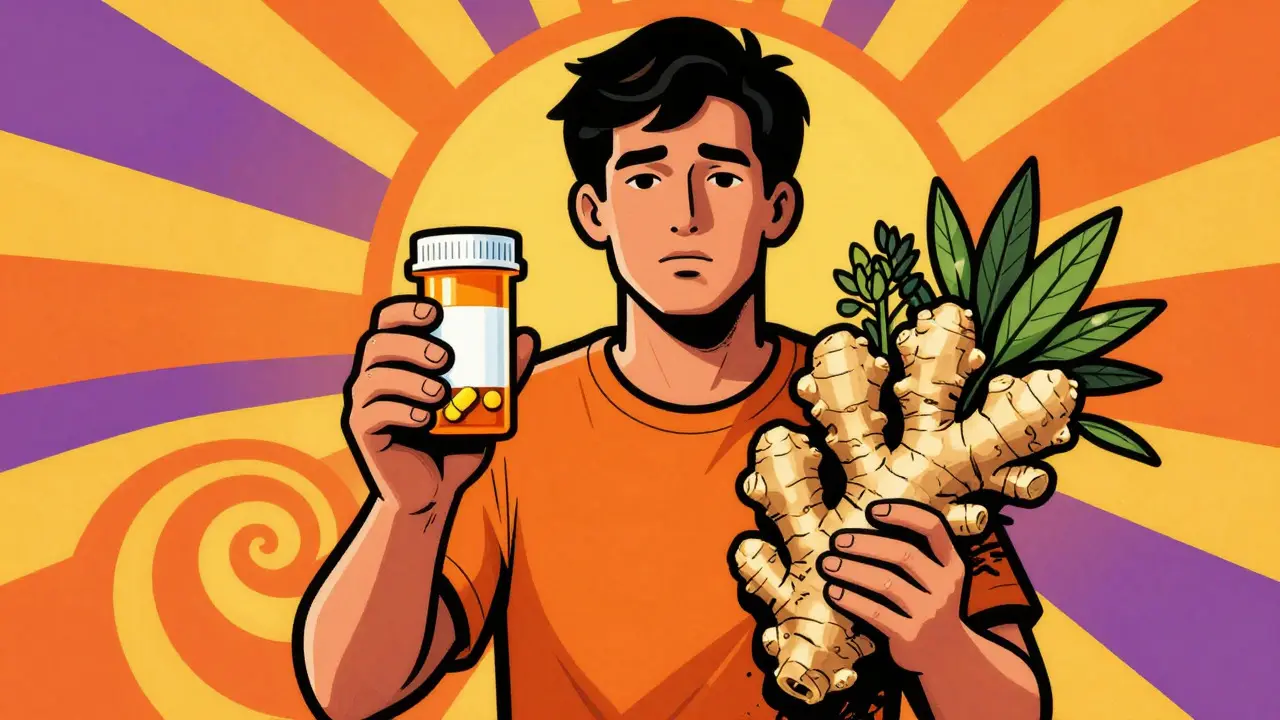
Medications save lives, but they often come with a heavy price tag in the form of unpleasant side effects. Nausea from chemotherapy, constipation from painkillers, or fatigue from heart medications can make daily life miserable. You might be looking for relief that doesn't mean stopping your prescription. This is where complementary treatments step in. These are non-mainstream practices used alongside conventional medicine to manage symptoms and improve quality of life. But not all natural remedies are safe, especially when mixed with powerful drugs.
Many people turn to herbs, supplements, or body-based therapies without telling their doctors. This creates a dangerous gap in care. The goal here isn't to replace your medication, but to help you cope better with its downsides. We will look at what actually works based on clinical evidence, what risks you need to watch out for, and how to talk to your healthcare provider about these options safely.
Understanding Complementary Medicine in Modern Healthcare
Complementary and Alternative Medicine (CAM) refers to healthcare practices that are not part of conventional Western medicine but are used together with it to support patient well-being. Unlike alternative medicine, which replaces standard treatment, complementary medicine supports it. The National Center for Complementary and Integrative Health (NCCIH) tracks this usage closely. Data shows that 38% of U.S. adults use some form of CAM. Among those users, nearly half (45.8%) specifically use these methods to manage medication side effects.
The field has evolved significantly since the 1970s. It draws from ancient systems like Traditional Chinese Medicine, which dates back over 2,000 years, and Ayurveda from India, which is over 5,000 years old. Today, the most common types include natural products (like herbs), mind-body practices (like meditation), and manipulative methods (like massage). The core value proposition is a holistic approach. Instead of just treating the disease, these methods aim to reduce the burden of treatment on your body and mind.
Evidence-Based Options for Common Side Effects
Not all complementary treatments have the same level of scientific backing. Some have robust data supporting their effectiveness for specific side effects, while others lack rigorous testing. Here are the top evidence-based options:
- Acupuncture for Nausea and Pain: A 2017 meta-analysis published in JAMA Oncology found that acupuncture reduced chemotherapy-induced nausea by 36% compared to sham controls. For chronic pain or neuropathy caused by medications like taxol, patients report significant relief. One verified patient noted a 50% reduction in neuropathy pain after starting acupuncture sessions.
- Ginger for Gastrointestinal Issues: Ginger (Zingiber officinale) is a powerful anti-nausea agent. A 2013 study in the Journal of Pain and Symptom Management showed that taking 0.5-1.0g of ginger daily reduced chemotherapy-induced nausea by 40%. It is generally safe and widely available.
- Mind-Body Practices for Fatigue and Anxiety: Techniques like mindfulness meditation and yoga can help manage the psychological toll of illness and medication. They do not directly alter drug metabolism but improve coping mechanisms, reducing the perceived severity of side effects like fatigue and anxiety.
These options are considered "evidence-based" because multiple randomized controlled trials (RCTs) have demonstrated their efficacy. However, "natural" does not always mean "risk-free."
The Hidden Risks of Herbal Remedies and Supplements
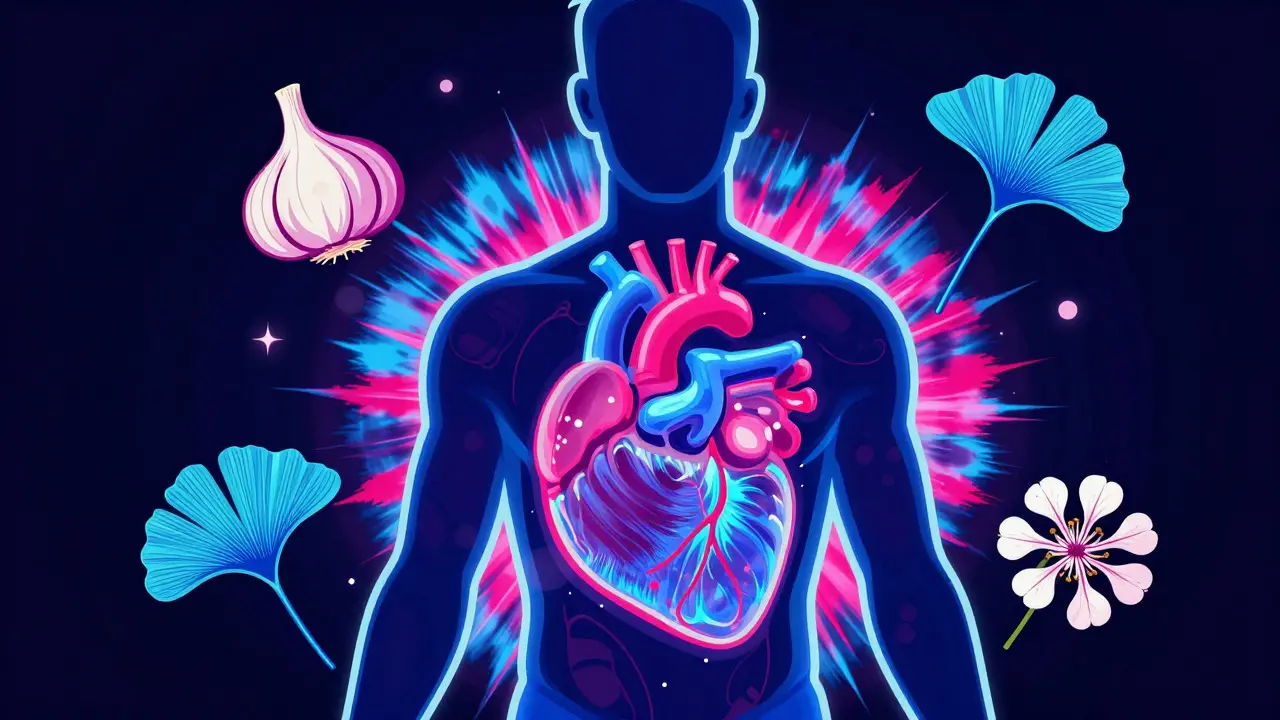
Herbal remedies occupy a riskier position than physical therapies like acupuncture. Plants contain active chemical compounds that can interact with prescription drugs. A 2018 study in the Journal of Clinical Oncology surveyed 318 cancer patients and found that 51.6% used CAMs. Of these, 12.2% required health warnings due to potential interactions.
| Herb/Supplement | Potential Interaction | Risk Level |
|---|---|---|
| Garlic | May increase bleeding risk when taken with aspirin or blood thinners; may lower blood pressure too much when combined with lisinopril. | High |
| Ginkgo Biloba | Increases bleeding risk; may interfere with seizure medications. | High |
| Saint John’s Wort | Speeds up liver enzymes, reducing the effectiveness of many drugs including antidepressants, birth control, and immunosuppressants. | Very High |
| Lily of the Valley | Can cause dangerously low potassium levels (hypokalemia) when taken with digoxin. | Critical |
| Hawthorn | Generally safe with ACE inhibitors, but may potentiate vasodilators; conflicting evidence on interaction with digoxin. | Moderate |
The American Heart Association’s 2022 scientific statement warns that blue cohosh might cause tachycardia and high blood pressure. Meanwhile, antioxidants like vitamins A, C, and E pose a theoretical risk for cancer patients undergoing chemotherapy or radiotherapy, as they might protect cancer cells from damage. Cancer Research UK notes there is not enough evidence to confirm if they are helpful or harmful, so caution is advised.
Why Disclosure Matters: Bridging the Communication Gap
One of the biggest challenges in using complementary treatments is poor communication between patients and providers. A UK hospital study revealed that only 20.9% of hospitalized patients disclosed their current CAM applications to their healthcare team within one month of admission. This silence puts patients at risk.
When you don't tell your doctor about the supplements or herbs you take, they cannot assess potential interactions. In the same UK study, researchers assessed potential interactions in 45.8% of patients using herbal remedies. For example, garlic taken with lisinopril could lead to unexpectedly low blood pressure. Without disclosure, a sudden drop in blood pressure might be misdiagnosed as a worsening of the underlying condition rather than a side effect of the combination.
Dr. Lillian Nanashima, Director of Integrative Medicine at Mayo Clinic, emphasizes focusing on evidence-based treatments to provide the right care for each person. This requires transparency. Your doctor needs to know everything you put into your body to manage your care effectively.

Practical Steps for Safe Integration
If you want to try complementary treatments to manage medication side effects, follow these steps to ensure safety:
- Talk to Your Doctor First: Never stop taking prescribed medications or change doses without consulting your physician. Bring a list of all supplements, herbs, and therapies you are considering.
- Use Reputable Resources: Check for interactions using tools like the Memorial Sloan Kettering Cancer Center’s About Herbs database or the NCCIH’s online interaction checker. These resources are updated regularly with new safety alerts.
- Choose Regulated Products: The market for dietary supplements is largely unregulated in many regions, including under the U.S. Dietary Supplement Health and Education Act of 1994. Look for third-party testing seals (like USP or NSF) to ensure purity and accurate labeling. Contamination is a real risk in unregulated markets.
- Start Low and Go Slow: If approved by your doctor, start with the lowest effective dose of any supplement. Monitor for new symptoms or changes in how your primary medication feels.
- Document Everything: Keep a log of your symptoms, medication times, and complementary therapy sessions. This helps identify patterns and potential triggers for side effects.
Healthcare providers also play a role. Studies suggest physicians need specialized training to competently evaluate CAM interactions. The Mayo Clinic’s integrative medicine program requires 12 specific data points about CAM use in patient records. Advocating for this level of detail in your own medical record can improve your safety.
Future Directions and Market Trends
The global CAM market is growing rapidly, reaching $191.3 billion in 2022 with an annual growth rate of 11.4%. This surge is driven by patient demand for better side effect management. In Australia, up to two-thirds of people use complementary therapies. In the U.S., 73% of cancer centers now offer integrative medicine services, though only 32% have formal protocols for managing medication side effects with these approaches.
Research funding is increasing. The National Institutes of Health allocated $142 million to NCCIH in fiscal year 2023, with 37% directed toward researching complementary approaches for managing medication side effects. The NIH’s Precision CAM initiative aims to develop biomarkers to predict individual responses to these therapies. This move toward personalized medicine could help tailor complementary treatments to your specific genetic profile and medication regimen, minimizing risks and maximizing benefits.
However, safety concerns persist. The FDA issued a warning in April 2023 about unapproved kratom products linked to numerous deaths. As the market expands, regulatory scrutiny and consumer education must keep pace. The key takeaway remains: choose evidence-based options, prioritize safety through disclosure, and work collaboratively with your healthcare team.
Is acupuncture safe to use with chemotherapy?
Yes, acupuncture is generally considered safe when performed by a licensed practitioner. A 2017 meta-analysis in JAMA Oncology showed it can reduce chemotherapy-induced nausea by 36%. It has few documented drug interactions, making it one of the safer complementary options for cancer patients.
Can I take ginger supplements with my heart medication?
Ginger is generally well-tolerated, but it can have mild blood-thinning effects. If you are on anticoagulants like warfarin or aspirin, consult your doctor first. For most other heart medications, moderate doses (0.5-1.0g daily) are likely safe, but professional guidance is essential to avoid unexpected interactions.
What are the risks of taking antioxidants during cancer treatment?
There is a concern that high-dose antioxidants (vitamins A, C, E, selenium) might protect cancer cells from the damaging effects of chemotherapy or radiotherapy. Cancer Research UK states there is not enough evidence to know if they are helpful or harmful, so many oncologists recommend avoiding high-dose antioxidant supplements during active treatment unless specifically advised otherwise.
How common is it for patients to hide their use of complementary therapies?
Surprisingly common. A UK hospital study found that only 20.9% of patients disclosed their CAM use to healthcare providers within a month. This lack of communication increases the risk of adverse drug interactions and complicates symptom management.
Are herbal supplements regulated for safety?
Regulation varies by region. In the U.S., the Dietary Supplement Health and Education Act of 1994 means supplements are not strictly regulated for efficacy or safety before market release. Contamination and inaccurate labeling are known issues. The EU has stricter rules under the Traditional Herbal Medicinal Products Directive, but comprehensive interaction testing is still lacking. Always look for third-party certification.
Which complementary therapy has the strongest evidence for medication side effects?
Acupuncture has some of the strongest evidence, particularly for nausea, pain, and opioid-induced constipation. A 2020 Cochrane review showed a 32% greater reduction in opioid-induced constipation with acupuncture compared to standard care alone. Ginger also has strong evidence for nausea management.
Should I stop my prescription meds if I start complementary treatments?
Never stop taking prescribed medications without discussing it with your doctor. Complementary treatments are intended to support, not replace, conventional medicine. Stopping medication abruptly can lead to severe health consequences, including rebound symptoms or disease progression.
What tools can help me check for herb-drug interactions?
You can use the NCCIH’s online interaction checker or the Memorial Sloan Kettering Cancer Center’s About Herbs app/database. These resources provide detailed information on potential interactions and safety profiles for thousands of herbs and supplements.
Is hawthorn safe for heart failure patients?
Hawthorn appears safe when used with ACE inhibitors and beta-blockers, according to the American Heart Association. However, it may potentiate vasodilators and has conflicting evidence regarding interactions with digoxin. Patients should monitor blood pressure and consult their cardiologist before use.
How does the cost of complementary treatments compare to conventional care?
Costs vary widely. Acupuncture and massage may require out-of-pocket payments if not covered by insurance, while supplements can be inexpensive but add up over time. The global CAM market grew to $191.3 billion in 2022, indicating significant economic activity. Insurance coverage for integrative medicine is expanding, particularly in cancer centers, but gaps remain.