
Polypharmacy Risk Assessment Tool
Assess Your Medication Profile
Answer the following questions based on your current medication regimen. This tool provides a general risk assessment based on clinical guidelines.
Your Risk Assessment
Results based on your inputs
Complete the checklist and click "Assess My Risk Level" to see your personalized analysis.
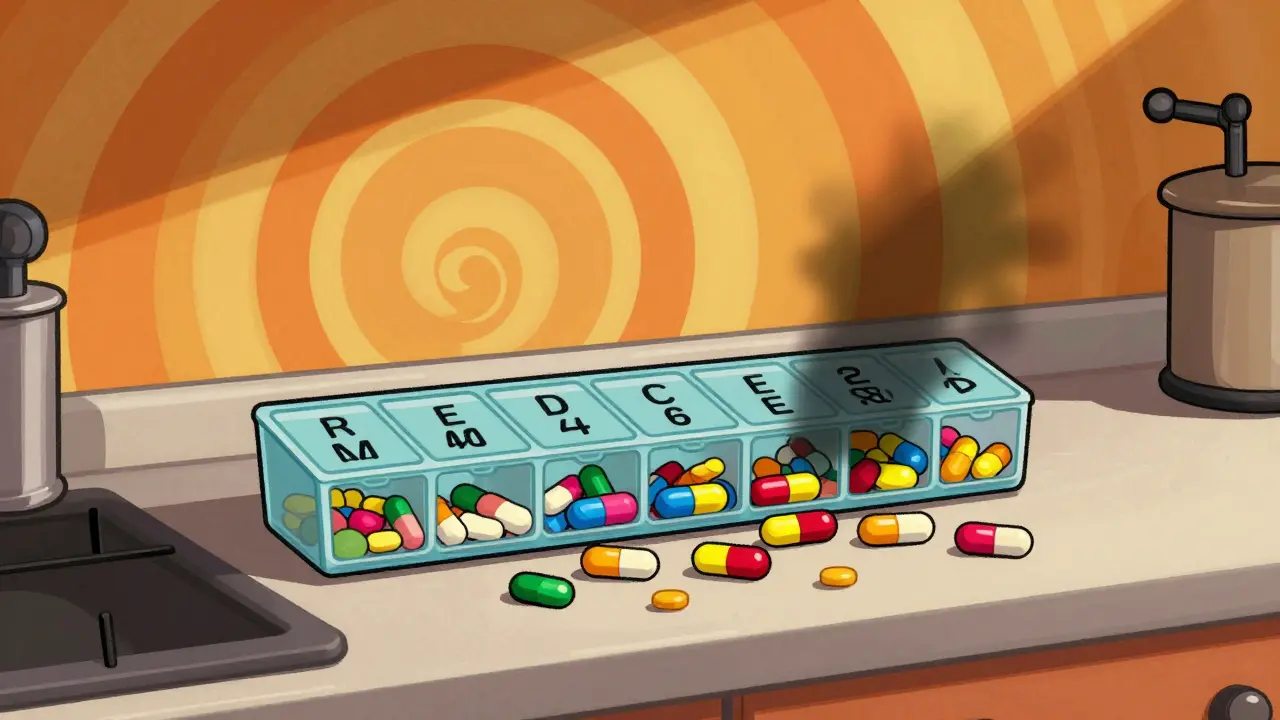
You have a pill organizer on your kitchen counter. It has seven compartments for the days of the week, and each compartment is packed with colorful capsules and tablets. You take them every morning without thinking twice. But what if I told you that this routine could be quietly setting you up for a fall, a hospital visit, or worse? This isn't just about taking too many pills; it is about how those pills talk to each other.
The medical term for this is polypharmacy, which is the regular concurrent use of five or more medications. While it sounds like a dry academic concept, it is a growing public health crisis. According to the CDC's 2022 report, roughly 20% of American adults between 40 and 70 are already on five or more prescription drugs. For those in their 60s and 70s, that number jumps to over one-third. As we age, our bodies change, but our medication lists often grow longer and more complex. The goal here is simple: give you a practical checklist to identify dangerous combinations before they cause harm.
Understanding the Hidden Dangers of Multiple Meds
When you take a single medication, your body handles it in a predictable way. But add a second, then a third, and the chemistry gets messy. James Mangan, RPh., director of Hospital and Ambulatory Pharmacy at Cape Cod Healthcare, puts it bluntly: "When you take each medication on their own, you might not notice a side effect, but some combinations can lead to excessive sedation, dizziness and drowsiness."
This isn't just a minor inconvenience. Dizziness leads to falls. Falls lead to broken hips. And in older adults, a broken hip is often a life-altering event. The American Geriatrics Society estimates that adverse drug events contribute to 1.3 million emergency department visits and 350,000 hospitalizations annually among older adults. Polypharmacy is the primary driver behind 60-70% of these medication-related admissions.
The risk compounds quickly. A study published in PMC (2022) analyzing adults with stage 3 or 4 cancer found that each additional medication increases the odds of a potential major drug-drug interaction by 39%. That is a steep climb. If you are on five meds, you are not just five times as risky as someone on one med; the interactions create a web of vulnerability that grows exponentially.
Your Polypharmacy Risk Checklist
How do you know if you are in the danger zone? You don't need a degree in pharmacology. You need a systematic approach. Here is a checklist based on clinical guidelines to help you assess your current regimen.
- Count Your Pills: Are you taking five or more prescription drugs? If yes, you meet the formal definition of polypharmacy. This is your first red flag to trigger a review.
- Include Over-the-Counter (OTC) Items: Most people forget this. Ibuprofen, antacids, sleep aids, and even herbal supplements count. In cancer patients, non-prescription items accounted for 40% of potentially inappropriate medications detected. If it goes into your body, it interacts with your blood.
- Check for 'Prescribing Cascades': Have you ever been prescribed a new drug to treat the side effects of an old one? For example, an opioid causes constipation, so you get a laxative. The laxative causes electrolyte imbalance, so you get potassium supplements. This chain reaction is called a prescribing cascade, and it is a hallmark of unmanaged polypharmacy.
- Review Your Food Interactions: Do you drink grapefruit juice daily while on statins? Do you take cranberry juice with warfarin? These aren't myths. Grapefruit inhibits CYP3A4 metabolism, which can lead to rhabdomyolysis (muscle breakdown) when combined with statins. Cranberry juice can dangerously increase anticoagulation effects with warfarin.
- Assess Cognitive Clarity: Are you feeling more confused, foggy, or unusually tired? Strong anticholinergic properties in certain drugs (like some bladder control meds or older antidepressants) can impair memory and increase dementia risk, especially when stacked together.
High-Risk Combinations to Watch Out For
Not all combinations are equal. Some pairings are significantly more dangerous than others. Based on data from the National Center for Biotechnology Information (NCBI) and clinical studies, here are specific classes and examples that require extra caution.
| Medication Class A | Medication Class B / Trigger | Potential Consequence |
|---|---|---|
| Warfarin (Coumadin) | Cranberry Juice / NSAIDs | Increased bleeding risk due to enhanced anticoagulation |
| Statins (e.g., Atorvastatin) | Grapefruit Juice | Rhabdomyolysis (severe muscle damage) due to blocked metabolism |
| Blood Pressure Meds | Decongestants (Pseudoephedrine) | Dangerous spikes in hypertension |
| Benzodiazepines | Opioids / Sedatives | Excessive sedation, respiratory depression, death |
| Lisinopril / ACE Inhibitors | Potassium Supplements / Salt Substitutes | Hyperkalemia (dangerously high potassium levels) |
A study analyzing 718 adults highlighted that lisinopril was involved in 92 documented drug-drug interaction occurrences, followed closely by furosemide and calcium supplements. These are everyday medications, yet their interactions are frequent and serious. If you see any of these pairs in your cabinet, it is time to call your pharmacist.
The Beers Criteria: What Doctors Use to Spot Danger
If you want to dig deeper, look up the Beers Criteria, which is a list of medications considered potentially inappropriate for older adults. Updated in 2019, this guideline is the gold standard for geriatric pharmacists. It flags drugs with strong anticholinergic effects, long-acting benzodiazepines, and alpha-1 blockers as particularly problematic for people over 65.
Why does this matter to you? Because many of these drugs are still widely prescribed. For instance, long-acting benzodiazepines like diazepam stay in your system for days, increasing the risk of confusion and falls. The Beers Criteria suggests shorter-acting alternatives or non-drug therapies. When you ask your doctor, "Is this medication on the Beers Criteria for my age group?" you are showing that you are an informed partner in your care.
Breaking the Cycle: Deprescribing and Review
Finding the risk is step one. Fixing it is step two. This process is called deprescribing, which is the planned and supervised tapering and discontinuation of potentially problematic medications. It sounds scary-after all, doctors prescribe these meds for a reason. But sometimes, the reason becomes outdated, or the side effects outweigh the benefits.
The American Academy of Family Physicians (AAFP) outlines a structured approach:
- Identify unclear indications: Is there a drug you've been taking for years that no longer serves a clear purpose?
- Assess interactions: Use tools like the Beers Criteria to spot conflicts.
- Create a tapering plan: Never stop cold turkey. Work with your provider to slowly reduce doses.
Real-world success stories exist. On the CancerCare forum, a 72-year-old patient credited the ARMOR tool (Assess, Review, Minimize, Optimize, Reassess) with helping them cut their medication count from 12 to 7 prescriptions. They didn't suffer; they felt better. Their energy returned, and the confusion lifted. This is the power of a comprehensive medication review.

Practical Steps for Patients and Caregivers
You don't have to wait for an annual physical to start managing this risk. Here is how to take control today. 1. Create a Master List Write down every single thing you ingest. Prescriptions, OTC painkillers, vitamins, herbal teas, and supplements. Include the dose and frequency. Keep this list updated. Bring it to every single medical appointment, including dentists and specialists. Fragmented care is a major contributor to polypharmacy risks; when Dr. Smith doesn't know what Dr. Jones prescribed, errors happen. 2. Consult a Pharmacist Pharmacists are medication experts. Many community pharmacies offer free medication therapy management services. Ask them to check for food-drug interactions and duplicate therapies. They can often spot issues that busy physicians miss during a 15-minute visit. 3. Schedule a 'Brown Bag' Review Bring all your actual bottles to your next doctor's appointment. Let them see exactly what you are taking. This visual aid helps catch expired meds, unused leftovers, and confusing schedules. 4. Monitor for Changes Keep a symptom diary. Note any new dizziness, stomach upset, or mood changes after starting a new med. Report these immediately. Early detection prevents hospitalization. 5. Involve a Trusted Person If you are caring for an aging parent, ask permission to help manage their meds. Confusion about schedules is common, as noted in a NursingCenter study where 70% of seniors were at risk for interactions partly due to management errors. A second pair of eyes makes a huge difference.
The Future of Polypharmacy Safety
The landscape is changing. The World Health Organization's 2023 Medication Without Harm initiative aims to reduce severe medication-related harm by 50% by 2027. We are seeing the rise of machine learning tools that predict adverse reactions based on individual genetic profiles (pharmacogenomics). In the future, your smart pill bottle might alert your phone if you're about to take a dangerous combination. Until then, vigilance is your best defense.
Polypharmacy is inevitable for many as we age and manage chronic conditions. But it doesn't have to be dangerous. By using this checklist, understanding the Beers Criteria, and actively engaging in deprescribing conversations, you can protect yourself from the silent risks hidden in your pillbox. Your health is worth the effort to untangle the knot.
What is the safest way to reduce the number of medications I take?
Never stop or reduce medication on your own. The safest way is through a process called deprescribing, guided by your healthcare provider. Start by bringing a complete list of all your meds (including OTCs and supplements) to your doctor. Ask specifically if any medications can be tapered off, especially those taken for long periods without a clear current benefit. A slow, monitored taper minimizes withdrawal symptoms and allows your body to adjust safely.
Do over-the-counter medications really interact with prescriptions?
Yes, absolutely. Over-the-counter (OTC) drugs like ibuprofen, aspirin, antacids, and sleep aids contain active ingredients that can interfere with prescription drugs. For example, NSAIDs like ibuprofen can increase the risk of bleeding when taken with blood thinners like warfarin. Antacids can affect how well certain antibiotics or heart medications are absorbed. Always inform your doctor and pharmacist about every OTC product and supplement you use.
What is the Beers Criteria and why should I care?
The Beers Criteria is a clinically validated list of medications that are potentially inappropriate for older adults (typically 65+) because the risks outweigh the benefits. It includes drugs with strong anticholinergic effects, long-acting benzodiazepines, and certain antidepressants. Caring about it means you can advocate for safer alternatives. If you are on a medication listed in the Beers Criteria, ask your doctor if there is a safer option with fewer side effects like confusion or fall risk.
How can I tell if I am experiencing a drug interaction?
Symptoms of drug interactions vary but often include new or worsening dizziness, excessive drowsiness, confusion, nausea, vomiting, or unusual bleeding. If you start a new medication and feel suddenly different-especially if you feel 'off' or unsteady-it could be an interaction. Keep a symptom diary and report these changes to your healthcare provider immediately. Do not assume these are just normal signs of aging.
Is polypharmacy always bad?
Not necessarily. For patients with complex conditions like heart failure, diabetes, and COPD, multiple medications may be essential to maintain quality of life and prevent hospitalization. The issue is 'inappropriate' polypharmacy-taking meds that don't provide clear benefit or cause harmful interactions. The goal is not to eliminate all meds, but to optimize the regimen so that every pill has a justified purpose and minimal risk.
What role do pharmacists play in managing polypharmacy?
Pharmacists are medication experts who can perform comprehensive medication reviews. They can identify drug-drug and drug-food interactions that doctors might miss due to time constraints. Many community pharmacists offer free consultations to review your entire medication profile, suggest cost-effective generics, and advise on proper timing to avoid interactions. Consider making your pharmacist part of your healthcare team.
How often should I review my medications?
You should review your medications at least once a year with your primary care provider. However, if you are on five or more medications, have multiple chronic conditions, or are over 65, consider reviewing them every 6 months. Additionally, review your meds whenever you start a new drug, experience a new side effect, or have a hospital discharge. Regular reviews help catch prescribing cascades early.
Nicholas Bowling
May 30, 2026 AT 23:57another fear mongering article designed to make people afraid of their own doctors. polypharmacy is a symptom of living long enough to have problems not a cause of death in itself. stop trying to play god with your meds.
ANGELA CHINENYE
June 1, 2026 AT 15:22I completely agree that the tone here is alarmist; however, the data regarding prescribing cascades is undeniable and often overlooked by patients who assume their provider has the full picture. It is crucial to remember that pharmacists are trained specifically for this type of medication reconciliation and should be utilized as a primary resource rather than just a dispenser of pills.
Many individuals do not realize that over-the-counter supplements like St. John's Wort or even cranberry juice can have profound effects on warfarin levels. This is not about distrusting medical professionals but about ensuring that every member of the healthcare team is aware of all substances entering the body. A simple brown bag review can prevent significant adverse events without requiring any confrontation with physicians. Please consider scheduling an annual comprehensive medication review with your pharmacist if you are taking more than three prescriptions.
Aishwarya Thankachan
June 1, 2026 AT 18:23This is literally life-saving info!! 🚨💊 Everyone needs to read this immediately because we are sleeping on the importance of deprescribing protocols 😴➡️🏥 The Beers Criteria is basically the bible for geriatric pharmacology right now 📖✨ I work in clinical trials and see so many subjects getting kicked out because of unmanaged drug-drug interactions (DDIs) which is super frustrating tbh 😤 We need more patient empowerment in managing their own pharmacokinetics 🧬💪 Don't let your doctor gatekeep your health metrics! Check your CYP450 metabolism profiles too!! 🔬🔥
Aswin Ashokan
June 2, 2026 AT 09:21useless western medicine propaganda. our traditional systems handle multiple herbs without these issues because they understand synergy not isolation. this checklist is just another way to sell more tests and consultations. ignore it.
William Storm
June 3, 2026 AT 13:28The fundamental flaw in this discourse lies in the assumption that the patient possesses the requisite epistemological framework to evaluate pharmacological efficacy. One cannot simply 'check' a list without understanding the underlying pathophysiological mechanisms that necessitate the intervention in the first place. It is a superficial approach to a deeply complex biochemical reality.
Furthermore, the notion that one can easily 'deprescribe' ignores the chronic nature of modern ailments which require continuous management. To suggest otherwise is to engage in a dangerous form of medical reductionism that fails to account for the systemic interdependencies within the human body. The elite medical establishment knows this well yet continues to promote such simplistic checklists to placate the anxious masses who seek easy answers to intricate biological problems.
Wendy Engelmann
June 5, 2026 AT 01:57it is interesting how we view aging as a failure of the system rather than a natural process. i think the real issue is that we treat symptoms instead of causes. but then again maybe taking five pills is just what it means to live to eighty in this century. i suppose being alert to the interactions is sensible though. no need to panic just observe and adjust slowly.
Lisa Thomas
June 6, 2026 AT 06:05oh my gosh this scared me so much 😱 i have been taking ibuprofen with my blood thinner for years thinking it was fine since it is otc !! i am literally shaking reading this 💔 please everyone go check your pill boxes right now !! my mom fell last year and we never connected it to her dizziness from meds until now 😭😭 thank you for posting this it might save lives !! ❤️🩹
Jay Foreman
June 6, 2026 AT 09:45Look, I get the hype but honestly most of you are overreacting. Sure, talk to your doc but don't start playing armchair pharmacist. The guy above talking about 'epistemological frameworks' is clearly showing off his vocabulary while saying nothing useful. And the emoji lady? Stop screaming at us. Just take your pills and live your life. If you die from a grapefruit interaction, that's just bad luck not a systemic failure. Relax people.
Cathy N
June 8, 2026 AT 08:11i brought all my bottles to my appointment last month and my doctor actually looked surprised he had no idea i was still taking that old antihistamine. it made a huge difference when he stopped it my brain fog lifted almost instantly. really worth the effort to organize everything before you go in there.