
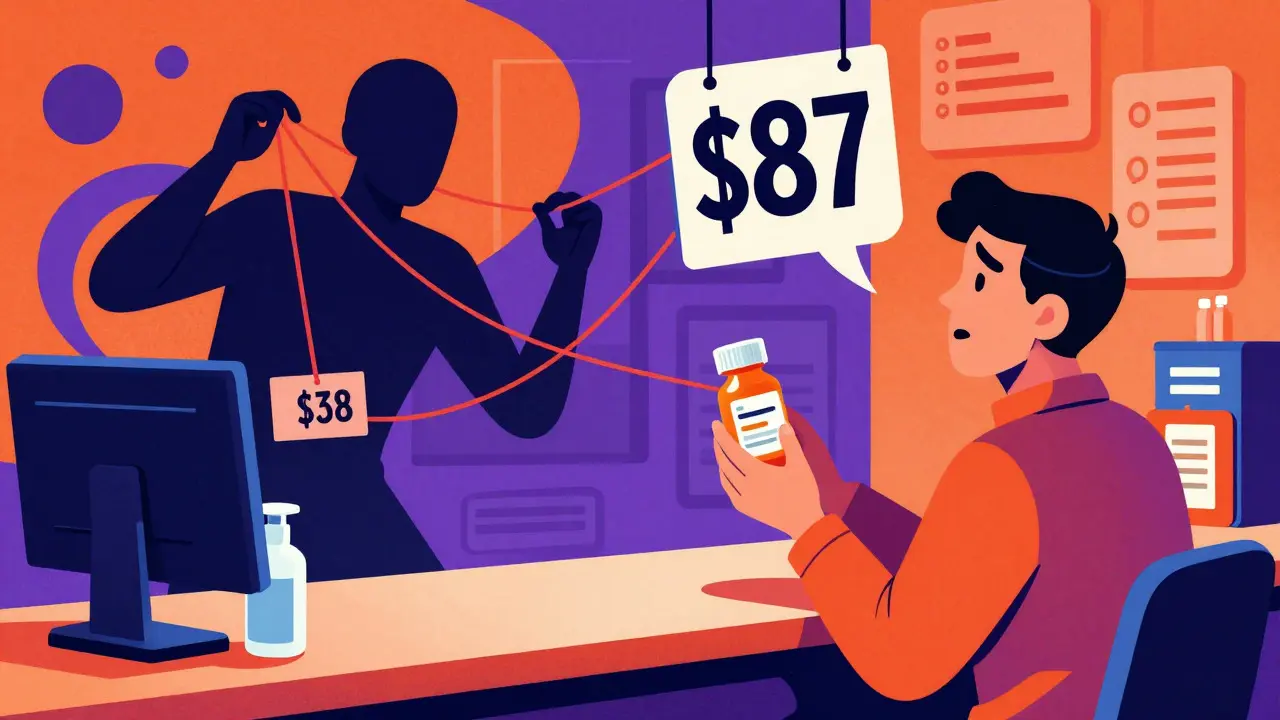
Imagine paying $87 out-of-pocket for a simple generic blood pressure pill when you could buy the exact same medication for $4.99 at a nearby pharmacy. It sounds like a scam, but it is the reality for millions of people navigating the complex world of health insurance today. The reason isn't that the drug costs more to make; it is because the system designed to save money-pharmacy benefit managers (PBMs) and insurance formularies-often ends up costing more. This paradox sits at the heart of why insurers are aggressively turning to bulk buying and strategic tendering for generic medications.
The goal is simple: leverage purchasing power to drive down prices. But the execution is messy, opaque, and often counterintuitive. For employers, plan sponsors, and healthcare administrators, understanding how these mechanisms work is no longer optional-it is essential for controlling healthcare spend. Let's break down how insurers actually save money on generics, where the current systems fail, and what new models are changing the game in 2026.
The Power of Volume: Why Bulk Buying Works
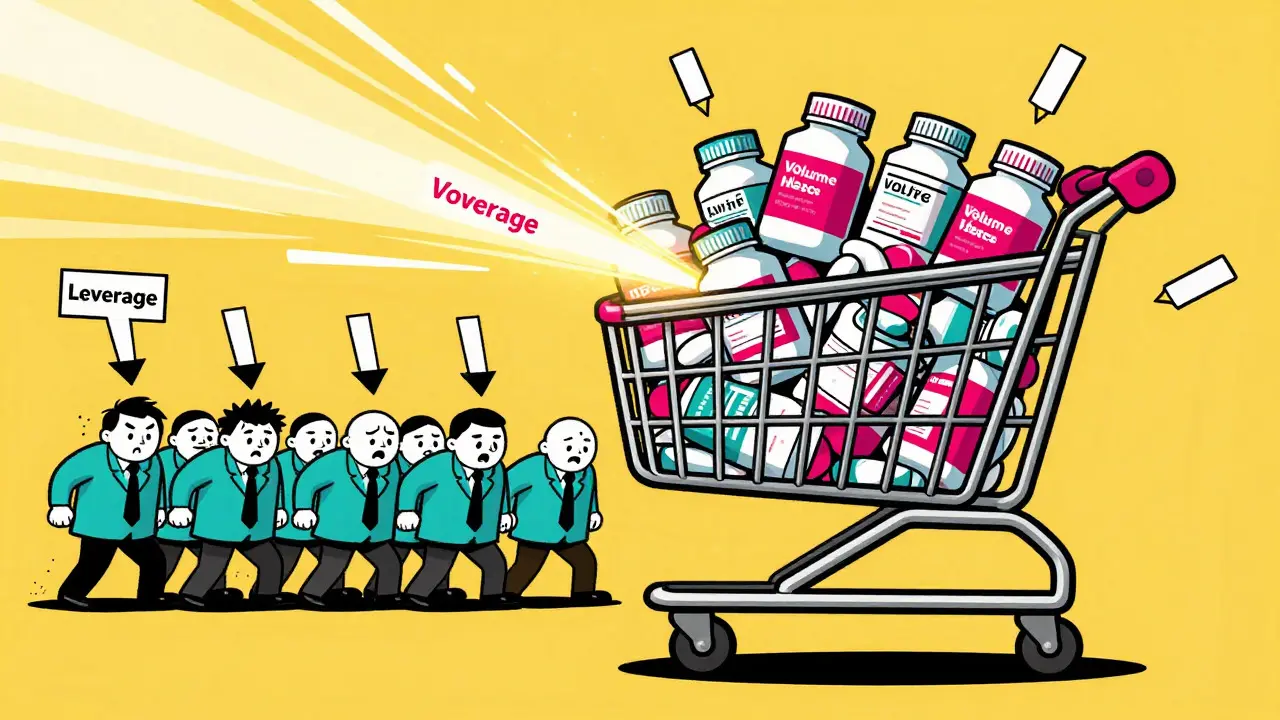
At its core, bulk buying is about economics. When an insurer or a Pharmacy Benefit Manager (PBM) commits to purchasing a massive volume of a specific generic drug, they gain significant negotiating leverage with manufacturers. The logic is straightforward: if a manufacturer knows they will sell 10 million units of a generic statin to one large entity, they are willing to accept a lower per-unit price to secure that guaranteed revenue stream.
This strategy relies heavily on the concept of therapeutic substitution. Instead of just accepting any generic version of a drug, insurers analyze their data to identify which specific generic manufacturers offer the best clinical value at the lowest cost. They then steer patients toward those preferred versions through formulary design. According to the Association for Accessible Medicines (AAM), generics now represent more than 90% of all prescriptions dispensed in the U.S., yet they account for only about 17% of total drug spending. This gap highlights the potential for further savings through smarter procurement.
The impact of this volume-based approach is measurable. A study published in JAMA Network Open by Qato et al. (2022) found that identifying opportunities to substitute high-cost generics with lower-cost alternatives of equivalent clinical value could yield savings of nearly 90%. These aren't minor adjustments; they are transformative reductions in healthcare expenditure. However, realizing these savings requires robust data analytics and constant monitoring of market prices, as generic drug pricing can fluctuate wildly based on supply chain dynamics and competition levels.
Tendering Processes: Competitive Bidding for Lower Prices
Bulk buying is often paired with tendering, a formal process where insurers request bids from multiple generic manufacturers for specific therapeutic classes. Think of it as a reverse auction: instead of shoppers bidding up the price of an item, manufacturers bid down the price to win the contract. These contracts typically span one to three years and require minimum volume commitments from the insurer.
Effective tendering involves several key steps:
- Market Analysis: Identifying high-spend therapeutic areas where multiple generic competitors exist.
- Request for Proposal (RFP): Issuing detailed requirements to potential suppliers, including quality standards, delivery timelines, and volume expectations.
- Evaluation: Assessing bids not just on price, but on reliability, manufacturing capacity, and historical performance.
- Contract Negotiation: Finalizing terms that include penalties for shortages and incentives for early payment or increased volume.
The success of tendering depends on having enough competition in the market. The FDA's 2022 Generic Drug Approvals report noted that first generic approvals alone yielded approximately $5.2 billion in savings during the first twelve months after approval. When multiple manufacturers enter the market, prices can drop by 80-90% from initial launch prices. However, this competitive dynamic is fragile. If too many manufacturers exit the market due to thin margins, the remaining players can raise prices, undermining the benefits of tendering.
The PBM Problem: Opacity vs. Transparency
To understand why insurers need better bulk buying strategies, we must look at the role of Pharmacy Benefit Managers (PBMs). PBMs act as intermediaries between insurers, pharmacies, and drug manufacturers. In theory, they negotiate lower prices on behalf of insurers. In practice, their business model has come under intense scrutiny for lacking transparency.
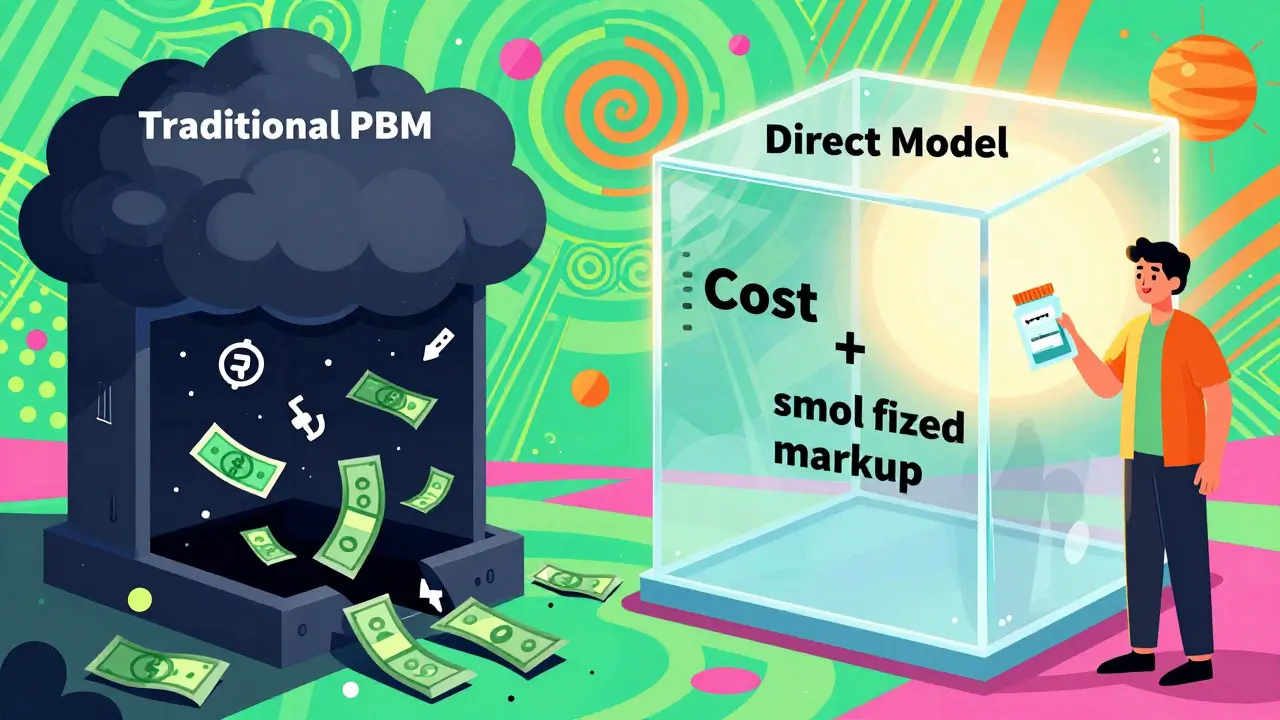
Traditional PBM models often employ "spread pricing," where the PBM charges the insurer more than it reimburses the pharmacy, keeping the difference as profit. This creates a perverse incentive: PBMs may prefer higher-priced generic drugs because they generate larger spreads, even if cheaper alternatives are available. Dr. Ateev Mehrotra, Professor of Health Care Policy at Harvard Medical School, pointed out in a Schaeffer Center report that "U.S. consumers and employers... often overpay for generics as pharmacy benefit managers (PBMs) and their affiliated insurer companies game opaque and arcane pricing practices to pad profits."
In contrast, transparent bulk purchasing models eliminate these middlemen. Companies like Costco and Mark Cuban's Cost Plus Drug Company have gained popularity by offering generics at cost plus a fixed markup (typically 15%). An NIH study by Kesselheim et al. (2023) found that direct-to-consumer (DTC) pharmacies offered median cost savings of 76% for expensive generics compared to traditional retail pharmacies. This stark difference highlights the potential for insurers to adopt more transparent procurement methods.
| Feature | Traditional PBM Model | Transparent/Direct Model |
|---|---|---|
| Pricing Structure | Opaque spread pricing | Cost + fixed markup |
| Incentive Alignment | Favors higher-priced generics | Favors lowest-cost options |
| Average Savings | Variable, often limited | 75-91% compared to retail |
| Transparency | Low; MAC lists often hidden | High; prices publicly listed |
Real-World Impact: Case Studies and Data
The theoretical benefits of bulk buying and tendering are backed by compelling real-world data. Consider the case of Medicare Part D plans. Despite covering a largely elderly population with high medication needs, these plans have achieved an 80% reduction in total prices (consumer payment plus insurer payment) compared to 2007 levels, according to the Schaeffer Center (2022). This achievement was driven by aggressive generic utilization and sophisticated formulary management.
However, not all sectors benefit equally. The Veterans Health Administration (VHA) negotiates prices that are approximately 24% lower than Medicare Part D prices, thanks to its centralized procurement system and ability to leverage massive national volume. Meanwhile, commercial employers often struggle with fragmented purchasing power, leading to higher costs unless they partner with innovative PBMs or self-insure with custom formularies.
User experiences further illustrate the disparity. On Reddit's r/personalfinance, users frequently share stories of paying significantly more for insured generics than cash-paying alternatives. One user reported saving an average of $32 per month on three generic medications by ignoring insurance and using coupon services like GoodRx. This behavior indicates a breakdown in trust: when insurance fails to provide value, patients vote with their wallets.
Challenges and Risks in Generic Procurement
While bulk buying and tendering offer significant savings, they are not without risks. One major concern is the potential for generic drug shortages. When price pressure becomes too extreme, manufacturers may find it unprofitable to produce certain drugs, leading to supply disruptions. This occurred dramatically with albuterol sulfate inhalation solution in 2020, when prices dropped below production costs, causing shortages at 87% of surveyed hospitals, according to the American Society of Health-System Pharmacists (2021).
Another challenge is resistance from independent pharmacies. Many small pharmacies rely on reimbursements from PBMs to cover their operating costs. When insurers implement Maximum Allowable Cost (MAC) lists-caps on reimbursement rates for generics-independent pharmacies often see their margins squeezed. The National Community Pharmacists Association (2023) reported that 42% of independent pharmacies experienced reduced margins on generic drugs due to aggressive MAC pricing.
To mitigate these risks, insurers must balance cost containment with supply chain stability. This includes:
- Diversifying supplier bases to avoid over-reliance on single manufacturers.
- Implementing safety stock requirements for critical medications.
- Maintaining open communication with pharmacies to address reimbursement concerns.
- Monitoring market conditions for signs of impending shortages.
Future Trends: What’s Next for Generic Savings?
Looking ahead, several trends are shaping the future of generic drug procurement. First, regulatory changes are pushing for greater transparency. The Centers for Medicare & Medicaid Services (CMS) issued guidance in January 2024 requiring clearer disclosure of PBM pricing for Medicare Part D plans. Additionally, state-level legislation, such as California's Senate Bill 17 (2017), mandates that PBMs disclose price differentials exceeding 5%, empowering plan sponsors to make informed decisions.
Second, technological advancements are enabling more precise formulary management. Artificial intelligence and machine learning algorithms can now analyze vast datasets to predict price fluctuations, identify substitution opportunities, and optimize tendering strategies in real-time. Navitus Health Solutions, a newer entrant in the PBM space, reported 22% lower generic drug costs for employer clients in 2023 by leveraging these digital tools.
Finally, the rise of direct-to-consumer pharmacy models is forcing traditional insurers to adapt. With companies like Blueberry Pharmacy offering predictable, low-cost pricing (e.g., $15/month for blood pressure medication), insurers face increasing pressure to match these values or risk losing member loyalty. The Congressional Budget Office (2023) estimates that improved tendering practices and increased generic utilization could generate an additional $127 billion in savings over the next decade-a figure that underscores the stakes involved.
Practical Steps for Employers and Plan Sponsors
If you are responsible for managing healthcare benefits, here are actionable steps to maximize savings on generics:
- Audit Your Formulary: Review your current list of covered drugs quarterly. Identify high-cost generics with cheaper therapeutic alternatives and consider substituting them.
- Negotiate Transparency Clauses: Require your PBM to disclose spread pricing and rebate retention. Use this data to hold them accountable for delivering true savings.
- Leverage Volume Commitments: If possible, consolidate purchasing across multiple plans or partner with other employers to increase bargaining power.
- Encourage Patient Education: Inform members about the availability of low-cost generic options and direct-to-consumer pharmacies. Empowered patients are more likely to choose cost-effective treatments.
- Monitor Supply Chain Risks: Stay informed about generic drug shortages and adjust formularies proactively to avoid treatment interruptions.
By adopting these strategies, organizations can move beyond passive reliance on traditional PBM models and take control of their generic drug spending. The result? Significant cost savings, improved patient outcomes, and a more sustainable healthcare system.
What is bulk buying in the context of generic drugs?
Bulk buying refers to the practice where insurers or PBMs purchase large volumes of generic medications from manufacturers to negotiate lower per-unit prices. This leverages economies of scale to reduce overall healthcare costs.
How does tendering help insurers save money?
Tendering involves requesting competitive bids from multiple generic manufacturers for specific drugs. By choosing the lowest bidder who meets quality standards, insurers secure better pricing than standard retail rates.
Why do some generic drugs cost more with insurance?
This often happens due to "spread pricing" by PBMs, where the insurer pays more than the pharmacy receives. Additionally, formularies may prioritize higher-priced generics that offer larger rebates to the PBM rather than the lowest net cost.
Are there risks associated with aggressive bulk buying?
Yes, extreme price pressure can lead to generic drug shortages if manufacturers cannot profitably produce the drug. It can also strain relationships with independent pharmacies that rely on adequate reimbursements.
How can employers improve their generic drug procurement?
Employers should audit their formularies regularly, demand transparency from PBMs regarding pricing and rebates, and consider partnering with innovative providers that offer direct-to-consumer pricing models.