
Protein Distribution Planner for Levodopa
Recommended Daily Targets
Your Personalized Distribution Plan
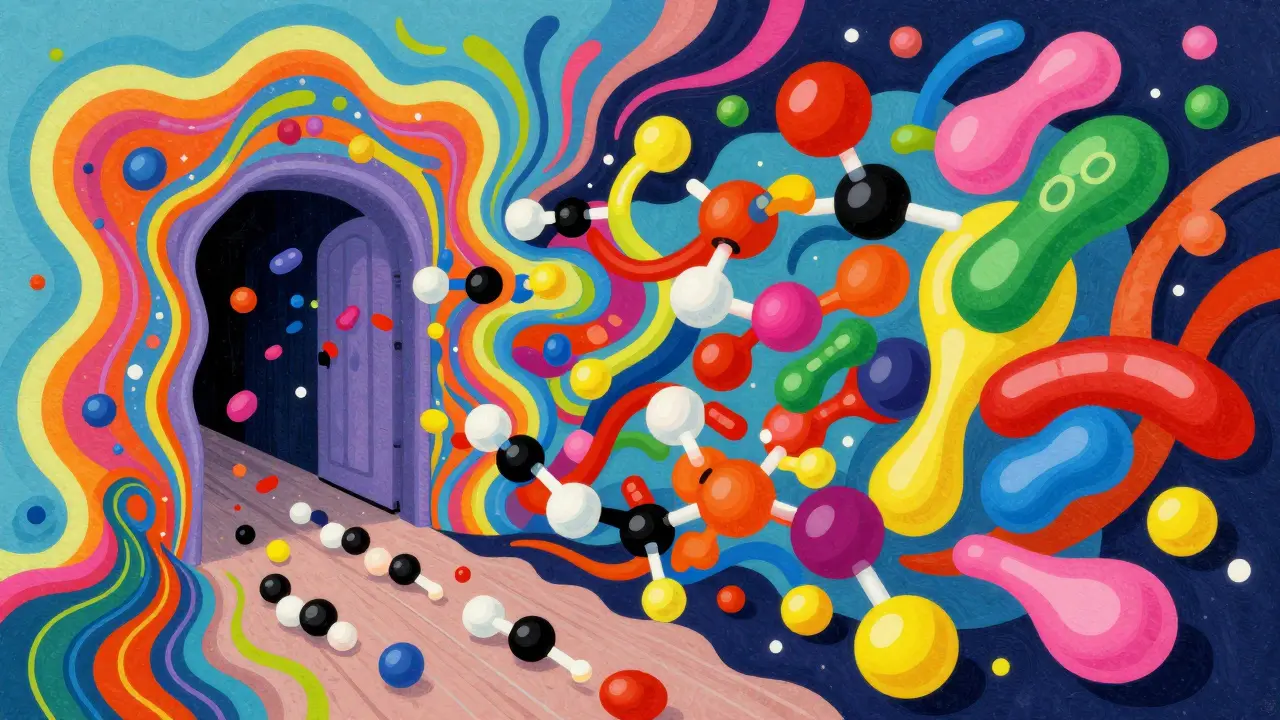
Imagine taking your medication exactly on time, only to find that a steak dinner or a handful of nuts has suddenly "turned off" your mobility. For many people living with Parkinson's, this isn't a fluke-it's a physiological battle happening at the cellular level. The core of the problem is a clash between levodopa is a precursor to dopamine used to treat motor symptoms of Parkinson's disease and the proteins we eat. When these two compete for the same "doorway" into the brain, the medication often loses, leaving patients stuck in unpredictable "off" periods.
The Science of the Struggle: Why Protein Blocks Medication
To understand why your lunch might affect your movement, you have to look at how nutrients move through your body. Levodopa doesn't just float into the brain; it requires a specific transport system called the LNAA transporter (Large Neutral Amino Acid transporter), specifically the LAT1 carrier system. The problem is that this transporter is not exclusive to medication. It is also the primary vehicle for several essential amino acids, such as leucine, isoleucine, and valine.
When you consume a high-protein meal, your digestive system releases a flood of these amino acids into your bloodstream. Because they use the same transporter as levodopa, they effectively crowd it out. Research shows that plasma concentrations of these amino acids jump by 30-50% within an hour after eating protein. This creates a traffic jam at both the intestinal wall and the blood-brain barrier, which is the protective layer that controls what enters the central nervous system. The result? Your levodopa absorption can drop by up to 40%, and it takes significantly longer for the drug to reach its peak concentration in your system.
When Does This Interaction Start?
Not everyone feels this effect immediately. For many, the early years of treatment are smooth. However, data suggests a pattern: this protein interference typically becomes a major issue about 13 years after motor symptoms first appear, or roughly 8 years after starting levodopa therapy. As the disease progresses and the brain's ability to store dopamine diminishes, the timing and delivery of medication become far more critical.
Current clinical standards, including the Parkinson's NICE guidelines, note that nearly half of long-term levodopa users experience motor fluctuations tied to their diet. In some cases, a high-protein meal can increase the frequency of "off" periods by as much as 79%. If you've noticed that your medication works great in the morning but fails after a protein-heavy lunch, you're likely experiencing this competitive inhibition.
Strategies to Reclaim Your "On" Time
Since we can't stop eating protein entirely-our bodies need it for muscle and tissue repair-the goal is to manage the levodopa protein interaction by changing when we eat. There are three main dietary frameworks used to handle this.
- Low Protein Diet (LPD): This involves restricting total daily protein to about 0.6-0.8g per kilogram of body weight. For someone weighing 65kg, that's roughly 40-50g of protein a day. While effective, it's hard to maintain and can lead to weight loss.
- Protein Redistribution Diet (PRD): This is often the gold standard. Instead of cutting protein entirely, you push 80-85% of your protein intake to the evening meal. During the day, protein is kept very low (under 7g per meal), which keeps the "doorways" open for levodopa during your most active hours.
- PRD with Low-Protein Products (LPP): This uses specialty foods (like low-protein breads or pastas) to make the PRD less restrictive and more palatable.
| Approach | Main Strategy | Typical Success Rate | Major Downside |
|---|---|---|---|
| Low Protein (LPD) | Daily restriction (0.6-0.8g/kg) | Moderate | Nutritional deficiency risk |
| Redistribution (PRD) | Protein concentrated at dinner | 60-100% | Social isolation/Dinner timing |
| PRD + LPP | Redistribution + specialty foods | High | Cost and availability |
Practical Tips for Daily Living
Moving from a clinical plan to a real-world kitchen is where things get tricky. Many patients struggle with the social side of these diets-imagine being the only person at a lunch meeting who can't have a sandwich. However, those who succeed often use a few specific hacks.
One of the most effective methods is the "gap strategy." Experts recommend taking levodopa at least 30 to 60 minutes before a meal. This gives the medication a head start to cross the blood-brain barrier before the amino acids from your food arrive to compete for the transporter. Some users have reported a 72% success rate simply by taking their dose 45 minutes before breakfast.
Another helpful tool is a medication-food diary. Since everyone's gut health and disease progression are different, tracking exactly what you eat and when your "off" periods hit can help you find your own personal "protein threshold." For some, 10 grams of protein (like a small piece of cheese) is enough to trigger a slump, while others might tolerate more.
The Risks of Over-Restricting
While the desire to stay "on" is strong, going too far with protein restriction can be dangerous. About 31% of patients on strict low-protein diets report losing more than 5% of their body weight within six months. This can lead to frailty and increased fall risks, which are already concerns in Parkinson's care.
Nutritional deficiencies are also a real threat. Long-term users of protein redistribution diets are more likely to be deficient in Vitamin B12 and iron. If you are already underweight (BMI under 20), strict protein restriction is generally discouraged. The goal should always be a balance between motor control and overall nutritional health.
Looking Ahead: New Frontiers in Nutrition
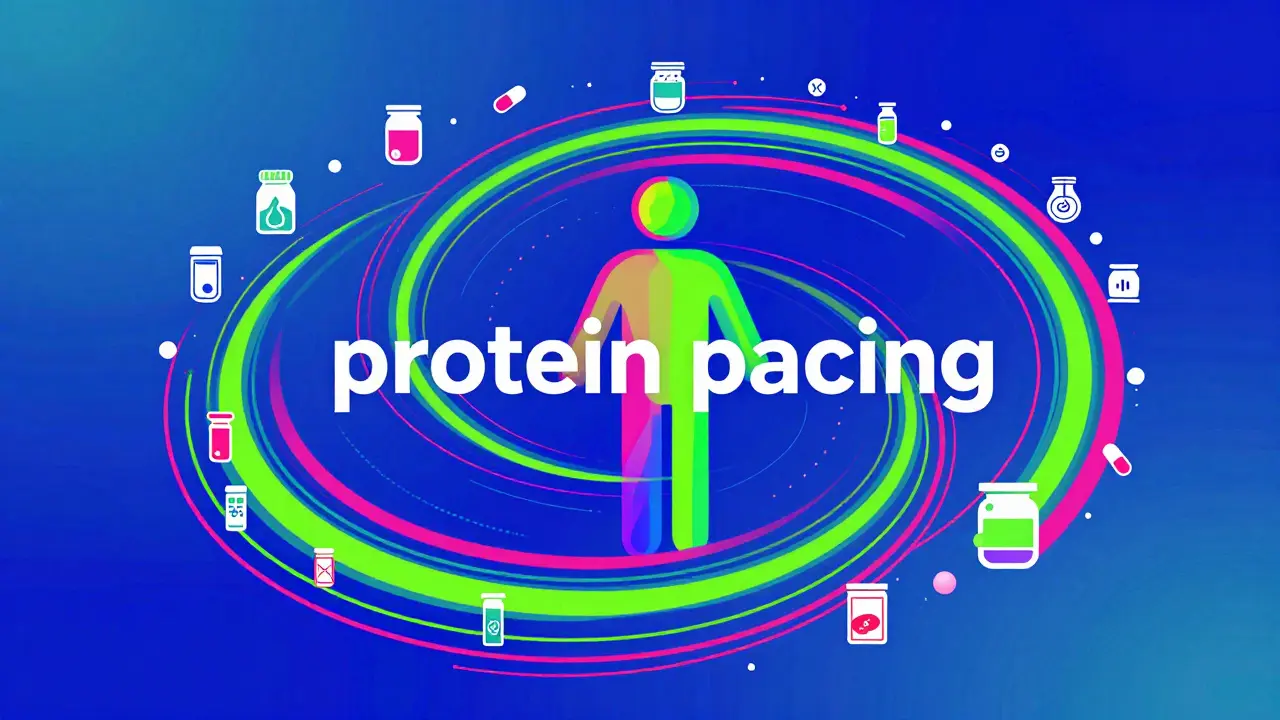
The medical community is moving away from "one size fits all" diets. The latest trend is "protein pacing," currently in Phase II clinical trials. Instead of one giant protein meal at night, this approach uses timed micro-doses of protein throughout the day to keep amino acid levels stable without ever hitting the peak that blocks levodopa. Preliminary results show this is much easier for people to stick to than traditional PRD.
We are also seeing the rise of personalized algorithms. In the future, we may use technology similar to continuous glucose monitors to track amino acid levels in real-time, allowing patients to adjust their medication or meal timing on the fly.
Does all protein block levodopa?
Not all proteins have the same effect, but Large Neutral Amino Acids (LNAAs) found in most meats, dairy, and soy are the primary competitors. However, the amount matters; typically, meals with more than 10-20 grams of protein are the ones most likely to cause a noticeable drop in medication efficacy.
Can I just take more medication to overcome the protein block?
Increasing the dose without medical supervision is risky. While it might seem logical, higher doses of levodopa can increase the risk of dyskinesia (involuntary movements). It is better to adjust the timing of the protein intake rather than the dosage of the drug.
What is a Protein Redistribution Diet (PRD) exactly?
PRD is a strategy where you limit protein intake during the day (usually under 7g per meal) and consume the bulk of your protein (80-85%) during your evening meal. This ensures the levodopa you take during your active hours doesn't have to compete with amino acids for entry into the brain.
How long does it take to see results from a diet change?
Most patients notice a difference in their "on" time within a few weeks. However, mastering the meal planning and adjusting to the new routine usually takes about 2 to 3 months of consistent effort.
Are there low-protein alternatives for common foods?
Yes, there is a growing market for Low-Protein Products (LPP), including specialized flours, breads, and pastas. These allow you to enjoy familiar foods without introducing the LNAAs that interfere with your medication.
Clare Elizabeth
April 13, 2026 AT 18:17this is such a game changer for so many people!! just imagine how much better life feels when you actually have control over your movement again
keep pushing forward everyone you got this
mimi clouet
April 15, 2026 AT 17:30Actually, the LNAA transporters are super fascinating 🤓 I've read that some people find that adding a little bit of healthy fat to their morning can help slow things down even more! It's all about that metabolic balance ✨💖
Sam Dyer
April 17, 2026 AT 02:54Typical big pharma nonsense pushing these restrictive diets while ignoring the real grit of the American spirit... just follow the science of the LNAA if you have the guts to actually do it ;) 🇺🇸
Shaylia Helland
April 18, 2026 AT 23:22i remember talking to a friend who tried the protein redistribution thing and she said the hardest part wasn't even the food but just the feeling of being out of sync with everyone else at the dinner table while she was the only one eating a massive steak dinner at 8pm just so she could function during her morning walks in the park which is honestly just so heartbreaking when you think about the social isolation part of chronic illness
Clint Humphreys
April 20, 2026 AT 10:00It's funny how they tell us to trust these "guidelines" when you realize the timing of these studies always coincides with new drug releases from companies that probably fund the research in the first place, and while I'm being friendly here, you have to wonder if the "protein threshold" is just a convenient way to make us dependent on expensive low-protein specialty breads that they probably manufacture in a lab to keep us docile and compliant with a system that doesn't actually want to cure the root cause of neurological decay but just wants to manage the symptoms for thirty years of billing cycles
Anurag Moitra
April 21, 2026 AT 17:21The transition to a Protein Redistribution Diet requires significant discipline and a structured approach to nutrition throughout the day.
Brooke Mowat
April 22, 2026 AT 02:59the human body is such a weird machine lol
it's like a cosmic dance between a pill and a piece of chicken just fighting for a tiny door in the brain... truly wild stuff if you think about the sheer poetry of it all
Billy Wood
April 23, 2026 AT 13:45GET AFTER IT!!! Just time those doses!!! 60 minutes is the magic number!!!
Ikram Khan
April 23, 2026 AT 17:44Omg I had no idea about the 13-year mark!! That is absolutely insane! 😱 Why is this not common knowledge for everyone starting meds??
Haley Moore
April 25, 2026 AT 07:29Ugh, imagine actually having to buy "specialty flour" just to eat a piece of toast... the struggle is so real and honestly just tedious 🙄💅
Catherine Mailum
April 26, 2026 AT 20:04oh sure because eating all your protein at 9pm is exactly what every doctor recommends for a healthy sleep cycle just great
john chiong
April 27, 2026 AT 12:22the sheer audacity of the food industry to charge a premium for low protein bread is a moral failure of the highest order
Mark Dueben
April 27, 2026 AT 17:44It might be helpful for some to keep a detailed log of their meals to identify those specific triggers mentioned in the post.
Jasmin Stowers
April 28, 2026 AT 10:16totally agree with the gap strategy it seems the most practical way to handle this