
DPP-4 Inhibitor Joint Pain Risk Checker
Common brand names include Januvia, Onglyza, Tradjenta, Nesina, or Galvus.
Is it minor discomfort or does it significantly impact your daily activities?
FDA data shows onset can happen quickly or after long-term use.
Assessment Result
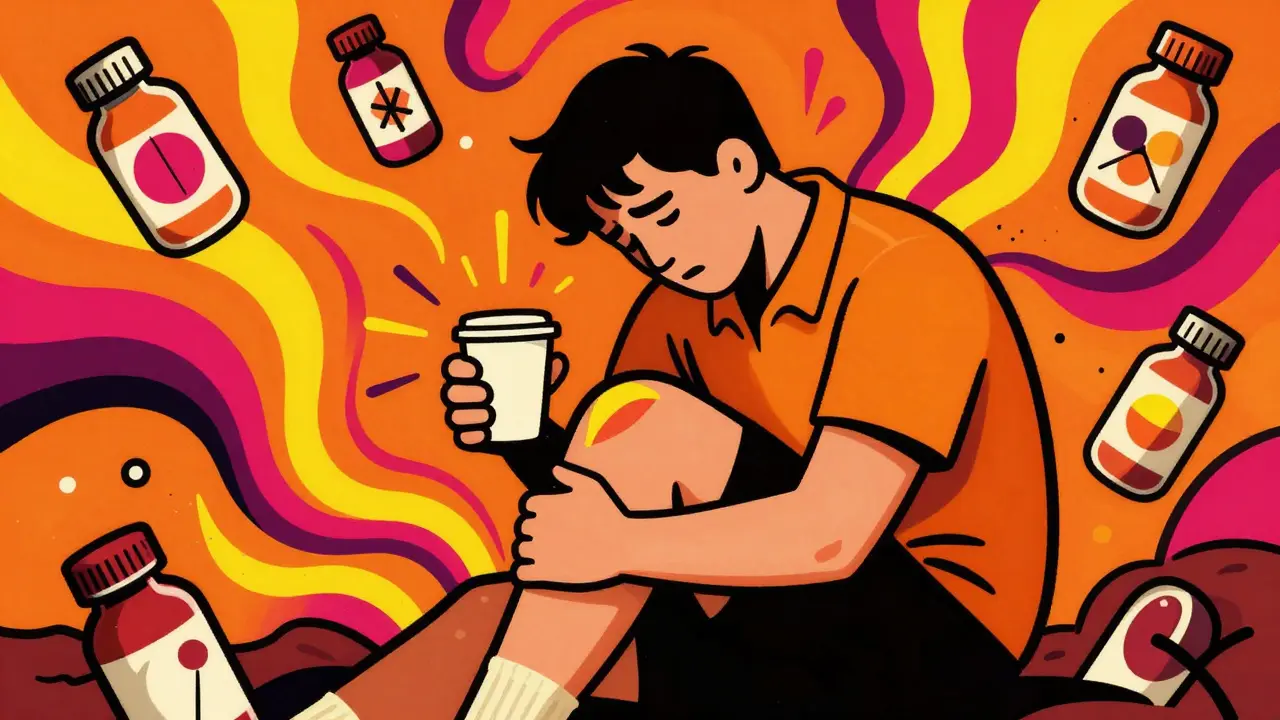
Analyzing...Imagine starting a new medication to manage your blood sugar, only to find yourself unable to walk up stairs or grip a coffee cup. For many people with type 2 diabetes, this isn't just a hypothetical nightmare; it is a documented reality linked to a common class of drugs known as DPP-4 inhibitors, which are oral antihyperglycemic medications used for managing type 2 diabetes mellitus by inhibiting the DPP-4 enzyme. While these drugs are generally well-tolerated, they carry a specific, often overlooked risk: severe and disabling joint pain.
If you take one of these medications-perhaps sitagliptin (Januvia), saxagliptin (Onglyza), or linagliptin (Tradjenta)-and have been experiencing unexplained stiffness or agony in your joints, you need to know what might be happening. This isn't about minor aches after a long day at work. We are talking about pain that can halt your daily life. Understanding this connection is crucial for protecting your mobility and ensuring your diabetes treatment plan remains effective without compromising your quality of life.
Understanding the FDA Warning on Joint Pain
The relationship between DPP-4 inhibitors and joint pain is not a rumor circulating on social media forums; it is an officially recognized safety concern backed by regulatory data. On August 27, 2015, the U.S. Food and Drug Administration (FDA) issued a Drug Safety Communication explicitly warning that these medications may cause severe and disabling joint pain. This directive required label updates for all medications in this class to alert both patients and healthcare providers.
This warning didn't come out of thin air. The FDA conducted a comprehensive review of adverse event reports spanning from October 16, 2006-the approval date of the first DPP-4 inhibitor, sitagliptin-through December 31, 2013. During this period, the agency identified 33 cases of severe arthralgia (joint pain) associated with DPP-4 inhibitors in the FDA Adverse Event Reporting System (FAERS) database. The breakdown was significant: 28 cases were linked to sitagliptin, 5 to saxagliptin, 2 to linagliptin, 1 to alogliptin, and 2 to vildagliptin. Crucially, in 5 of these cases, patients experienced severe arthralgia while taking two different DPP-4 inhibitors, suggesting this is a class-wide effect rather than a reaction to a single brand.
| Medication (Generic Name) | Brand Name | Number of Severe Cases |
|---|---|---|
| Sitagliptin | Januvia | 28 |
| Saxagliptin | Onglyza | 5 |
| Linagliptin | Tradjenta | 2 |
| Alogliptin | Nesina | 1 |
| Vildagliptin | Galvus | 2 |
Recognizing the Symptoms: What Does It Feel Like?
Joint pain caused by DPP-4 inhibitors is distinct from typical wear-and-tear arthritis. According to the FDA's analysis, the symptoms are severe enough to cause a substantial reduction in prior activity levels. Patients reported an inability to walk, perform daily tasks, or even maintain employment due to the intensity of the discomfort. In fact, 10 of the 33 reviewed cases required hospitalization because the pain was so debilitating.
Timing is a key diagnostic clue. In 22 of the 33 cases, symptoms developed within just one month of starting the medication. However, don't let that fool you into thinking you're safe if you've been on the drug for years. Some patients experienced onset after as long as one year of continuous use. The pain can affect any joint, but knees, shoulders, and hands are frequently cited. If you notice a sudden, sharp increase in joint stiffness or pain that limits your movement, especially if you have no history of rheumatoid arthritis or lupus, consider your medication list.
One telling sign is the response to stopping the drug. In 23 of the 33 cases, the joint pain resolved within one month after discontinuing the DPP-4 inhibitor. Even more compelling is the "rechallenge" phenomenon: 8 patients experienced recurrent arthralgia when they accidentally or intentionally restarted the medication. One representative case involved a 58-year-old woman who developed severe bilateral knee pain three weeks after starting sitagliptin. Her symptoms vanished within two weeks of stopping the drug but returned within 48 hours when she took it again. This pattern provides strong evidence of causation.
Why Does This Happen? The Science Behind the Pain
To understand why these drugs cause joint pain, we need to look at how they work. DPP-4 inhibitors function by blocking the dipeptidyl peptidase-4 enzyme. This blockage increases levels of incretin hormones, such as GLP-1 and GIP, which stimulate insulin release and suppress glucagon secretion. While this mechanism is excellent for lowering blood sugar, the broader impact of altering incretin pathways is still being studied.
Incretin hormones play roles beyond glucose metabolism, including potential effects on inflammation and immune response. Some researchers hypothesize that inhibiting DPP-4 may lead to the accumulation of certain peptides that trigger inflammatory responses in joint tissues. However, the exact biological mechanism remains unclear. What we do know is that the European Medicines Agency (EMA) also issued a similar warning in 2015, noting 200 cases of joint pain reported worldwide, reinforcing that this is a global pharmacological observation, not isolated to one region.

What Should You Do If You Experience Joint Pain?
Here is the most critical advice: do not stop taking your medication abruptly without consulting your doctor. Diabetes management requires stability, and suddenly dropping a medication can spike your blood sugar levels, leading to other serious health complications. Instead, contact your healthcare provider immediately if you experience severe and persistent joint pain.
Your doctor will likely evaluate other potential causes first, such as osteoarthritis, gout, or autoimmune conditions like rheumatoid arthritis. Many patients are initially misdiagnosed with these conditions before the link to their diabetes medication is recognized. Once other causes are ruled out, your physician may decide to discontinue the DPP-4 inhibitor. As noted in the FDA data, symptoms typically resolve after discontinuation, often within days to weeks.
Dr. Mary Parks, Director of the Division of Metabolism and Endocrinology Products at the FDA, emphasized in the 2015 safety communication that "the benefits of DPP-4 inhibitors for treating type 2 diabetes continue to outweigh their risks for most patients." This means that for the majority of users, the drug is safe and effective. But for those who develop this specific side effect, switching to an alternative class of diabetes medication is usually the best path forward.
Alternative Diabetes Medications to Consider
If you cannot tolerate DPP-4 inhibitors due to joint pain, there are several other classes of oral and injectable medications available. Discussing these options with your endocrinologist or primary care provider is essential to finding a regimen that controls your A1C without causing debilitating side effects.
- Metformin: Often the first-line treatment for type 2 diabetes. It works by decreasing glucose production in the liver and improving insulin sensitivity. It is generally well-tolerated, though gastrointestinal issues can occur.
- SGLT2 Inhibitors: Drugs like empagliflozin (Jardiance) and dapagliflozin (Farxiga) work by helping the kidneys remove sugar from the body through urine. They also offer cardiovascular and renal benefits.
- GLP-1 Receptor Agonists: Injectable medications such as semaglutide (Ozempic) and liraglutide (Victoza) mimic the incretin hormone GLP-1. While they share a hormonal pathway with DPP-4 inhibitors, they do not appear to carry the same high risk of severe joint pain and often aid in weight loss.
- Sulfonylureas: Older medications like glipizide or glyburide stimulate the pancreas to release more insulin. They are effective but carry a higher risk of hypoglycemia (low blood sugar).

Other Side Effects to Monitor
While joint pain is the focus of this discussion, DPP-4 inhibitors have other potential side effects that warrant attention. The FDA has previously issued warnings regarding pancreatitis (inflammation of the pancreas) associated with these drugs. Symptoms include severe abdominal pain that may radiate to the back, with or without vomiting.
Hypoglycemia is another risk, particularly when DPP-4 inhibitors are combined with sulfonylureas or insulin. Serious allergic reactions, including anaphylaxis and angioedema (swelling of the deeper layers of skin), have also been reported. Additionally, skin reactions such as bullous pemphigoid-a condition characterized by blisters and erosion of the outer layer of skin-may require hospitalization. If you develop blisters or skin breakdown, call your doctor right away.
Current Research and Future Outlook
The medical community continues to monitor this issue closely. Current clinical guidance from the American Diabetes Association's Standards of Medical Care in Diabetes acknowledges the FDA warning but notes that "the absolute risk of severe joint pain appears low compared to the overall prescribing volume of DPP-4 inhibitors." Market data from IQVIA (2022) shows that sitagliptin alone accounted for approximately 35 million prescriptions annually in the United States, indicating that clinicians still find the benefit-risk profile favorable for most patients.
Recent studies provide further nuance. A 2021 study published in Diabetes Care analyzing Sentinel Initiative data found an adjusted hazard ratio of 1.24 for joint pain requiring medical attention among DPP-4 inhibitor users compared to users of other diabetes medications. Meanwhile, a retrospective cohort study of older adult veterans demonstrated an increased risk of joint pain (adjusted odds ratio 1.17). These findings support the FDA's original warning while highlighting that individual susceptibility varies.
The American College of Rheumatology is actively developing diagnostic criteria to help differentiate DPP-4 inhibitor-induced arthralgia from other rheumatologic conditions. Draft guidelines were expected for publication in late 2024, which will assist doctors in making faster, more accurate diagnoses. Until then, awareness remains your best defense.
How quickly does joint pain from DPP-4 inhibitors start?
In most cases, symptoms develop within one month of starting the medication. However, some patients have reported onset after up to one year of continuous use. If you experience new, severe joint pain at any point during treatment, consult your doctor.
Should I stop taking my DPP-4 inhibitor if I have joint pain?
Do not stop taking your medication without consulting your healthcare provider. Abruptly stopping diabetes medication can lead to dangerous spikes in blood sugar. Contact your doctor immediately to discuss your symptoms and explore alternative treatments.
Does the joint pain go away after stopping the drug?
Yes, in the majority of cases. According to FDA data, 23 of 33 reviewed cases resolved within one month after discontinuation. However, symptoms can return if the medication is restarted.
Which DPP-4 inhibitor is most likely to cause joint pain?
Sitagliptin (Januvia) had the highest number of reported cases (28 out of 33) in the FDA's initial review. However, cases have been reported with all agents in this class, suggesting it is a class-wide effect rather than specific to one drug.
Are there alternatives to DPP-4 inhibitors for type 2 diabetes?
Yes, several alternatives exist, including Metformin, SGLT2 inhibitors (like Jardiance), GLP-1 receptor agonists (like Ozempic), and Sulfonylureas. Your doctor can help determine which option is best suited for your health profile.
Can DPP-4 inhibitors cause other serious side effects?
Yes, besides joint pain, DPP-4 inhibitors have been associated with pancreatitis, hypoglycemia (especially when combined with other drugs), serious allergic reactions, and skin conditions like bullous pemphigoid. Report any severe symptoms to your doctor immediately.
jeremy pritchett
July 5, 2026 AT 12:24yo this is huge ppl need to wake up about these meds. i been on januvia for like 3 years and my knees have been killing me ever since. thought it was just age but nah its the drug. doc never told me bout this side effect so im pretty pissed right now. gonna call him tomorrow and demand a switch. dont let them gaslight u into thinking its just normal aging pain because its not. we gotta hold these pharma companies accountable for hiding this stuff. stay strong everyone out there fighting this battle.
Kimberly Simbulan
July 6, 2026 AT 05:57oh great another reason to hate diabetes meds lol. thanks for the info though i guess. at least now i know why my shoulders feel like they are being crushed by an elephant every time i try to lift a spoon. sarcastic much? yeah well when your body is betraying you humor is all you got left. hope someone finds some relief soon cause this sounds awful.
kavitha kumar
July 6, 2026 AT 07:31omg this is terrifying i cant even imagine the pain. i have a friend who takes one of these and she complains about her hands hurting all the time. i always thought she was just dramatic but maybe its real. this needs more attention people are suffering in silence. why does no one talk about this before prescribing??
fred morgan
July 7, 2026 AT 17:07The data presented regarding the FDA warning is significant and warrants careful consideration by patients currently prescribed DPP-4 inhibitors. It is imperative that individuals experiencing unexplained arthralgia consult their healthcare providers promptly to evaluate potential causality. Discontinuation should only occur under medical supervision to avoid glycemic instability. The rechallenge phenomenon described provides compelling evidence of a direct pharmacological link.
Sarah Boomgaard
July 7, 2026 AT 21:56i think most people just complain too much anyway. joint pain is part of life especially if you eat bad food and sit around all day. blaming pills is easy way out for lazy folks who want quick fix without working hard on diet and exercise. big pharma wants you dependent on drugs so they can keep selling more. take control of your health instead of listening to scary stories online.
Gilbert Bankual
July 8, 2026 AT 03:42this is super important info guys. please share with anyone you know on these meds. better safe than sorry. check your symptoms and talk to your doc. dont ignore the pain.
Ashley Loera
July 9, 2026 AT 03:52i stopped mine last month after reading similar posts and wow what a difference. my back pain went away within a week. i felt like a new person. doctors r so clueless sometimes they just push pills without thinking about side effects. glad i did my own research instead of trusting them blindly. dont be a sheep people.
Paul Diamond
July 10, 2026 AT 13:03The existential burden of chronic illness is often compounded by pharmaceutical interventions that introduce new vectors of suffering. One must ponder whether the alleviation of hyperglycemia justifies the introduction of severe arthralgia, a question that transcends mere clinical metrics and delves into the phenomenology of bodily autonomy. The patient becomes a site of conflict between metabolic control and physical integrity.
Peter Sverla
July 10, 2026 AT 13:22I've been trying to find more studies on this specific mechanism. Does anyone know if there are any recent papers from 2023 or 2024 that expand on the Sentinel Initiative data mentioned here? I'm curious if the risk profile has changed with newer formulations or if it remains consistent across the class.
Sydney Jarrett
July 12, 2026 AT 01:31Let's look at the pharmacokinetics here. The inhibition of dipeptidyl peptidase-4 leads to increased half-life of active GLP-1 and GIP. While the primary indication is glycemic control, the off-target effects on immune modulation are non-trivial. The accumulation of C-terminal fragments of various peptides due to DPP-4 blockade may trigger innate immune responses in synovial tissue. This isn't just anecdotal; it's a predictable outcome of altering proteolytic pathways. Patients ignoring this biochemical reality are engaging in maladaptive health behaviors. The hazard ratio of 1.24 is statistically significant and clinically relevant, indicating a clear signal that demands therapeutic reconsideration.
Lorena Suarez
July 12, 2026 AT 04:05just wanted to say thanks for sharing this. i was wondering why my mom kept complaining about her hips hurting after starting her new med. gonna show her this post next time i visit. hope she feels better soon. its good to have community support for these kinda issues.