
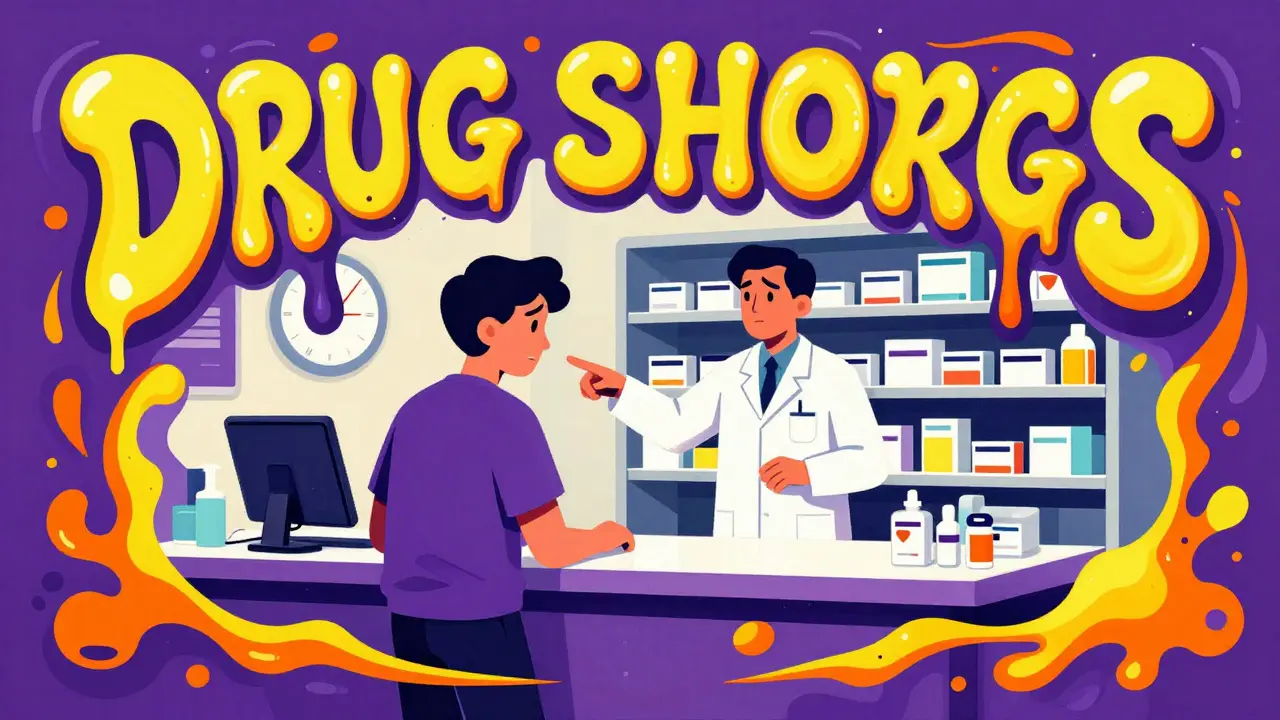
It is a nightmare scenario: you head to the pharmacy to pick up a critical prescription, only to be told the drug is on backorder. You aren't alone. With roughly 300 to 400 drug shortages happening every year in the U.S. alone, these gaps in the supply chain can leave patients in a dangerous lurch. When the mass-produced version of a pill or injection simply isn't on the shelf, compounding pharmacies is a specialized pharmaceutical service that creates customized medications by mixing, combining, or altering ingredients to meet specific patient needs. These facilities act as a safety net, ensuring that a manufacturing glitch at a giant lab doesn't mean a total halt in your treatment.
How compounding actually works
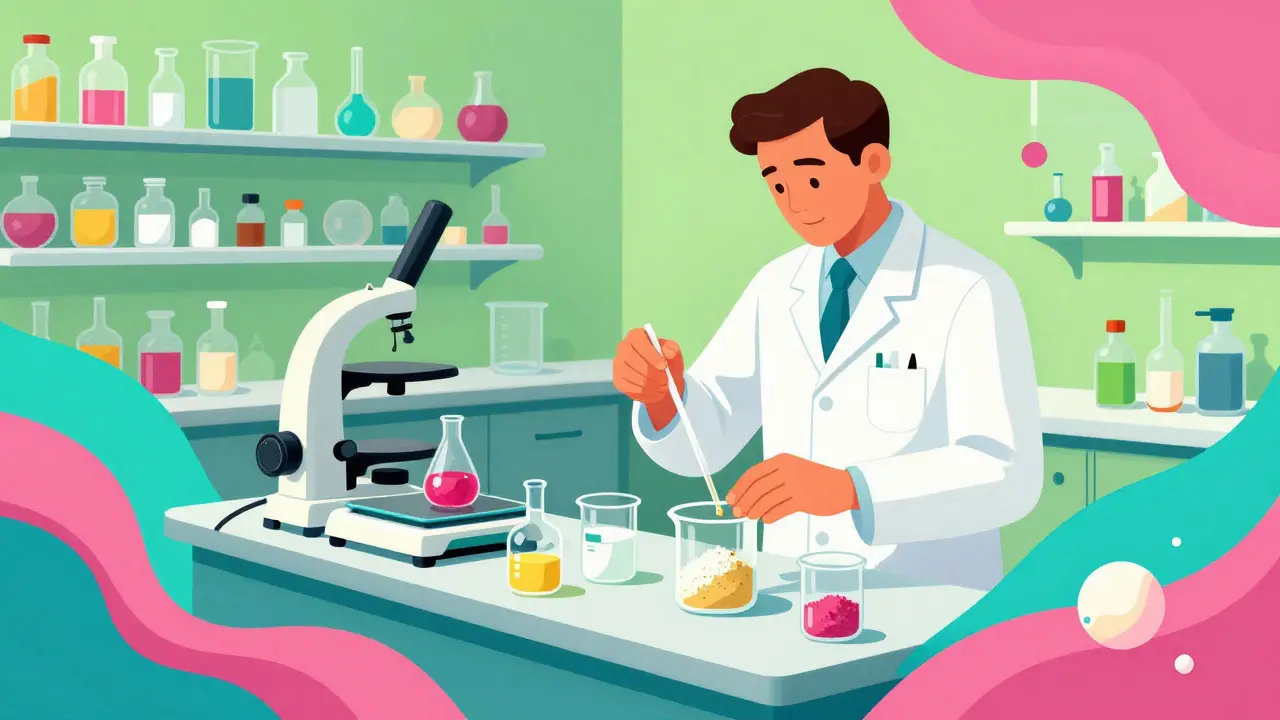
Think of a standard pharmacy like a grocery store-they sell pre-packaged goods. A compounding pharmacy, however, is more like a professional kitchen. Instead of just handing you a bottle from a shelf, the pharmacist works with raw pharmaceutical ingredients to build a medication from scratch. This allows them to change the strength, the form, or the flavor of a drug.
These pharmacists can transform a hard-to-swallow pill into a liquid, a gel, or even a troche (a small lozenge that dissolves in the mouth). For people with severe allergies, this is a lifesaver. About 15-20% of people are sensitive to common fillers like gluten, lactose, or specific dyes. A compounding pharmacist can strip those out and create an allergen-free version of the drug that still does the job without causing a reaction.
Solving the problem of drug shortages
When a commercial drug disappears from the market, compounding becomes the primary alternative. Because these pharmacies source raw chemical ingredients rather than finished tablets, they can often keep patients on their therapy even when the big brands are empty. This is especially critical for rare diseases or niche medications that aren't prioritized by mass manufacturers.
However, it is not a magic fix for everything. While they are great for chemical compounds, compounding pharmacies cannot replicate complex biologics. These are large, intricate molecules that require massive industrial bioreactors to produce. If a biologic drug is unavailable, a local compounding shop won't be able to "mix" a replacement.
| Feature | Standard Retail Pharmacy | Compounding Pharmacy |
|---|---|---|
| Product Source | Pre-manufactured batches | Raw chemical ingredients |
| Dosage Flexibility | Fixed (e.g., 10mg, 20mg) | Precise (down to micrograms) |
| Allergen Control | Standard fillers used | Customizable (e.g., dye-free) |
| Wait Time | Usually immediate | 24 to 72 hours |
| FDA Approval | Drug is pre-approved | Process is regulated, but specific mix isn't "approved" |
Who benefits the most from customized meds?
While anyone can use these services during a shortage, three groups find them essential. First are pediatric patients. About 40% of children struggle to swallow pills. Compounding pharmacies can turn a bitter tablet into a bubblegum or strawberry-flavored syrup, which boosts medication adherence by about 73%.
Then there are geriatric patients. Nearly a third of elderly patients deal with swallowing difficulties (dysphagia). By switching to transdermal gels or liquids, these patients can continue their treatment without the risk of choking.
Finally, those with specific sensitivities. Whether it is a reaction to a preservative or a need for a very specific micro-dose that the manufacturer doesn't provide, compounding fills the gap. In fact, studies show that 85% of patients with allergies to commercial ingredients see better adherence when they switch to a custom compound.
The safety and regulatory side of things
You might wonder if "mixing" drugs in a lab is safe. It is, provided the pharmacy follows strict rules. In the U.S., these facilities follow USP <795> (for non-sterile mixes) and USP <797> (for sterile mixes like injections) guidelines. These rules dictate everything from the air filtration in clean rooms to how ingredients are stored.
There are two main types of operations you should know about. 503A pharmacies are the traditional community shops that make meds for a specific patient with a prescription. 503B outsourcing facilities are larger operations that can make batches of drugs to sell to hospitals during major shortages.
If you are looking for a provider, check if they are accredited by the Pharmacy Compounding Accreditation Board (PCAB). Not every compounding shop has this seal of approval, but it's a great way to verify that the pharmacy meets the highest national standards for quality and safety.
Practical steps to get a compounded medication
You can't usually just walk in and ask for a custom mix; you need a strategy. Here is how the process typically goes:
- Consult your doctor: Your physician must first determine that a commercial drug is unavailable or medically inappropriate for you.
- Pharmacy Outreach: Your doctor or you should contact a PCAB-accredited compounding pharmacy to see if they have the raw ingredients for the required formula.
- Prescription Details: The prescription must be specific. It can't just say "make this drug"; it needs to list the exact strength, base, and any excluded allergens.
- The Wait: Give the pharmacy time. Unlike a standard prescription, these take 24 to 72 hours to prepare and validate.
- Insurance Check: Be prepared for a higher cost. About 45% of patients pay out-of-pocket for compounded meds, compared to only 15% for standard ones, as insurance companies are sometimes hesitant to cover custom mixes.
The future of personalized medicine
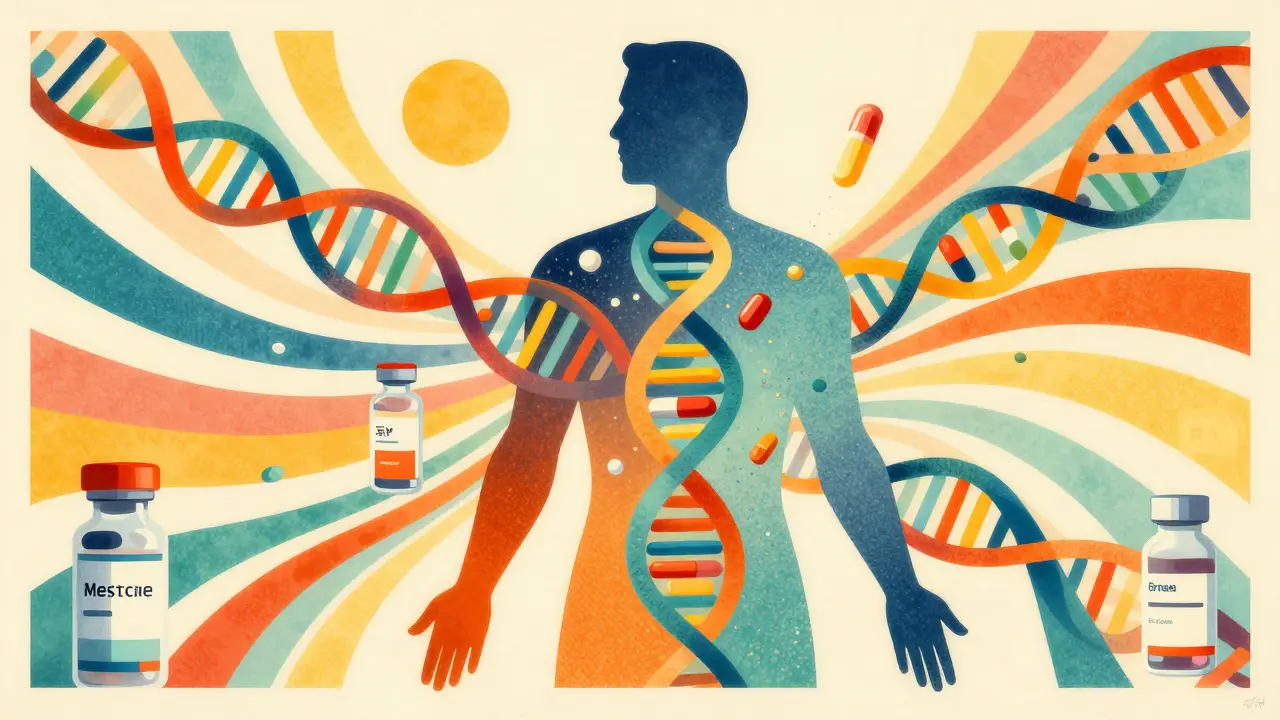
We are moving toward a world of "precision medicine." Instead of a one-size-fits-all pill, doctors are starting to use genetic testing to see how a specific person will react to a drug. Compounding is the perfect tool for this. About 68% of compounding pharmacists are already seeing a rise in requests for regimens based on a patient's genetic profile.
As technology improves, we are seeing digital formulation tools that reduce mixing errors by 37% and new stability tests that make these custom meds last longer on the shelf. While the big pharmaceutical companies will always handle the bulk of the market, the growth of the compounding sector-projected to reach nearly $16 billion by 2027-shows that the demand for a personal touch in medicine is only increasing.
Are compounded drugs FDA approved?
No, compounded medications as a whole are not "FDA approved" in the way mass-market drugs are. FDA approval is for the manufacturing process of a specific product. Instead, compounding pharmacies are regulated, and the individual pharmacists are licensed to ensure safety and quality based on established standards like USP guidelines.
Why are compounded drugs sometimes more expensive?
They require significantly more labor. A pharmacist spends 25-35% more time on a single compounded prescription than a standard one. Additionally, sourcing pure raw ingredients in small quantities is often more costly than buying mass-produced tablets.
Can any pharmacy do compounding?
No. While many community pharmacies do basic compounding (like mixing a liquid antibiotic), specialized compounding requires clean rooms, precise scales, and specific equipment to ensure the dose is accurate to the microgram.
How do I know if a compounding pharmacy is safe?
Look for accreditation from the Pharmacy Compounding Accreditation Board (PCAB). This ensures the facility meets strict national standards for sterile and non-sterile preparation.
What happens if my insurance refuses to pay for a compound?
You may need your doctor to file a "Prior Authorization" request. They must provide a medical rationale explaining why the commercial version of the drug is unavailable or why you are allergic to the standard ingredients.
dallia alaba
April 21, 2026 AT 00:00Most people don't realize that the dye-free option is a total game changer for those of us with severe allergies. It is so much safer than just hoping the mass-produced pill doesn't trigger a reaction.
Arthur Luke
April 22, 2026 AT 05:43The distinction between 503A and 503B facilities is actually quite fascinating from a regulatory standpoint. It makes sense that hospitals need larger batches during a crisis, whereas a single patient needs a tailored approach.
Olushola Adedoyin
April 22, 2026 AT 23:31Wake up people! Why is the "FDA approval" part so vague? They just want us to trust some random shop mixing chemicals in a basement while the big pharma giants fake the shortages to drive up the prices of these "custom" concoctions! It is a total racket to bleed us dry!
Ms. Sara
April 24, 2026 AT 16:52The insurance part is the real nightmare here. It is absolutely unacceptable that patients have to fight for Prior Authorizations just to get a medication that is actually safe for their specific body chemistry. We need to push for better coverage for these essential services.
Shalika Jain
April 25, 2026 AT 00:21Imagine thinking that a bubblegum flavor actually makes a difference in "adherence." It's just a cute way of saying kids stop spitting out their meds. Please.
Grace Grace
April 25, 2026 AT 08:44Oh my goodness, the struggle to swallow pills is so reelly understated!! My poor grandfther went through such a terrrible time until we found a compunding pharmacy. It was a total miracle and a life-savign change for our whole family!!!
Tokunbo Elegbe
April 26, 2026 AT 05:48Checking for the PCAB accreditation is a mandatory step!!! Please, do not skip this part of the process!!! Your safety depends on it!!!
Brigid Prosser
April 27, 2026 AT 12:52Spot on about the PCAB. It is the only way to make sure you aren't getting some bootleg mixture that'll leave you worse off than the shortage did. Keep it tight and keep it certified.
Akshata Kembhavi
April 28, 2026 AT 22:04This is actually super helpful info. I had no idea that some pharmacies could basically act like a kitchen for meds.
Truman Media
April 29, 2026 AT 02:22It is truly a blessing to see science evolving to help the individual :) Precision medicine brings so much hope for a healthier tomorrow for everyone! 🌟
Aman Tomar
April 29, 2026 AT 10:49The part about biologics is so tragick... it's heartbreeking that some medicines are just too complex to be mixed. I hope one day we can find a way to compound those too!
Bob Collins
April 30, 2026 AT 09:53The cost is a bit steep, but when the alternative is no medication at all, you just have to bite the bullet and pay out of pocket.
anne camba
May 2, 2026 AT 05:12The intersection of genetic profiling and pharmaceutical synthesis... it represents a profound shift in how we perceive the human body... as a unique canvas rather than a standard model!!!
Venkatesh Venky
May 2, 2026 AT 05:42Bioavailability is key here. Using different bases can totally optimize the PK/PD profile for the patient. Total game changer for niche therapies.
aman motamedi
May 2, 2026 AT 17:44I believe this information is highly beneficial for those seeking alternatives during shortages. It is a very professional overview of the current pharmaceutical landscape.